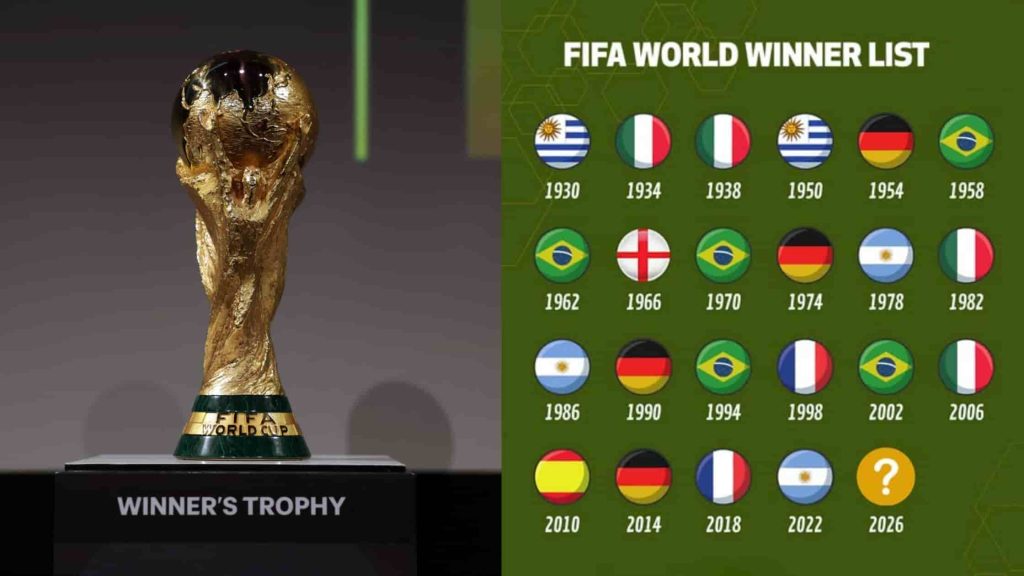
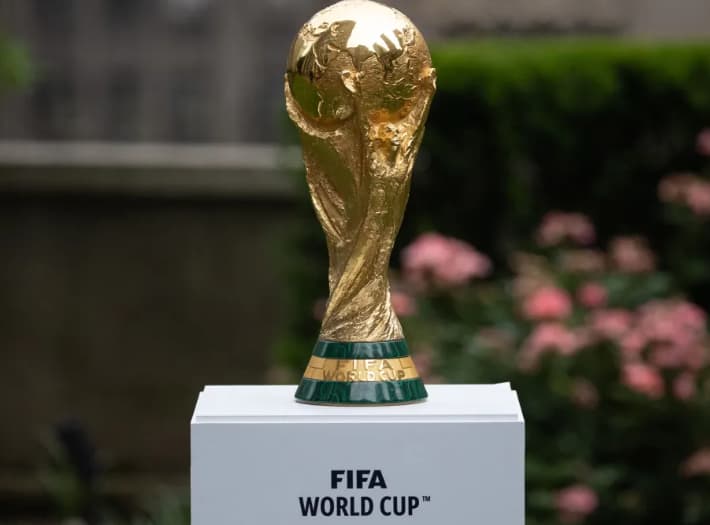
The FIFA World Cup is the most prestigious football tournament on the planet, held every four years and followed by billions of fans worldwide. Since its inaugural edition in Uruguay in 1930, the tournament has crowned 22 champions across 8 nations.
From the dominance of Brazil to the magic of Messi’s Argentina, the FIFA World Cup winners list tells the story of the beautiful game’s greatest moments.
This complete guide covers every World Cup champion, their final scores, and what made each victory memorable.
Complete FIFA World Cup Winners List (1930–2026)
| Year | Host Country | Winner | Runner-Up | Final Score |
|---|---|---|---|---|
| 1930 | Uruguay | Uruguay | Argentina | 4–2 |
| 1934 | Italy | Italy | Czechoslovakia | 2–1 |
| 1938 | France | Italy | Hungary | 4–2 |
| 1942 | — | Not Held (WWII) | — | — |
| 1946 | — | Not Held (WWII) | — | — |
| 1950 | Brazil | Uruguay | Brazil | 2–1 |
| 1954 | Switzerland | Germany | Hungary | 3–2 |
| 1958 | Sweden | Brazil | Sweden | 5–2 |
| 1962 | Chile | Brazil | Czechoslovakia | 3–1 |
| 1966 | England | England | Germany | 4–2 |
| 1970 | Mexico | Brazil | Italy | 4–1 |
| 1974 | Germany | Germany | Netherlands | 2–1 |
| 1978 | Argentina | Argentina | Netherlands | 3–1 |
| 1982 | Spain | Italy | Germany | 3–1 |
| 1986 | Mexico | Argentina | Germany | 3–2 |
| 1990 | Italy | Germany | Argentina | 1–0 |
| 1994 | USA | Brazil | Italy | 0–0 (3–2 pens) |
| 1998 | France | France | Brazil | 3–0 |
| 2002 | Korea & Japan | Brazil | Germany | 2–0 |
| 2006 | Germany | Italy | France | 1–1 (5–3 pens) |
| 2010 | South Africa | Spain | Netherlands | 1–0 (AET) |
| 2014 | Brazil | Germany | Argentina | 1–0 (AET) |
| 2018 | Russia | France | Croatia | 4–2 |
| 2022 | Qatar | Argentina | France | 3–3 (4–2 pens) |
| 2026 | Canada, Mexico & USA | Spain | Argentina | 1–0 (AET) |
FIFA World Cup Champions by Number of Titles
| Nation | Titles | Years |
|---|---|---|
| Brazil | 5 | 1958, 1962, 1970, 1994, 2002 |
| Germany | 4 | 1954, 1974, 1990, 2014 |
| Italy | 4 | 1934, 1938, 1982, 2006 |
| Argentina | 3 | 1978, 1986, 2022 |
| France | 2 | 1998, 2018 |
| Uruguay | 2 | 1930, 1950 |
| England | 1 | 1966 |
| Spain | 2 | 2010, 2026 |
Brief History of Every FIFA World Cup Winner
Since 1930, the FIFA World Cup has crowned football’s greatest champions and produced countless historic moments. Here’s a year-by-year look at every World Cup winner, the runners-up, and the final results.
1930 – Uruguay (Host: Uruguay)
Uruguay became the first-ever FIFA World Cup champions, defeating Argentina 4–2 on home soil.
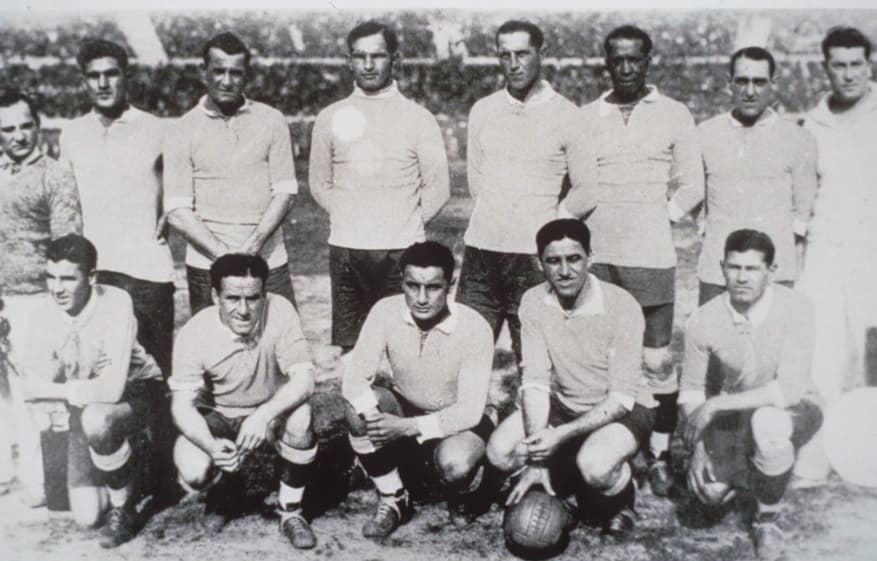
The Uruguayan side were Olympic champions and showed dominance from the start of international football.
1934 – Italy (Host: Italy)
Italy won their first World Cup title on home turf under coach Vittorio Pozzo, defeating Czechoslovakia 2–1 in extra time.
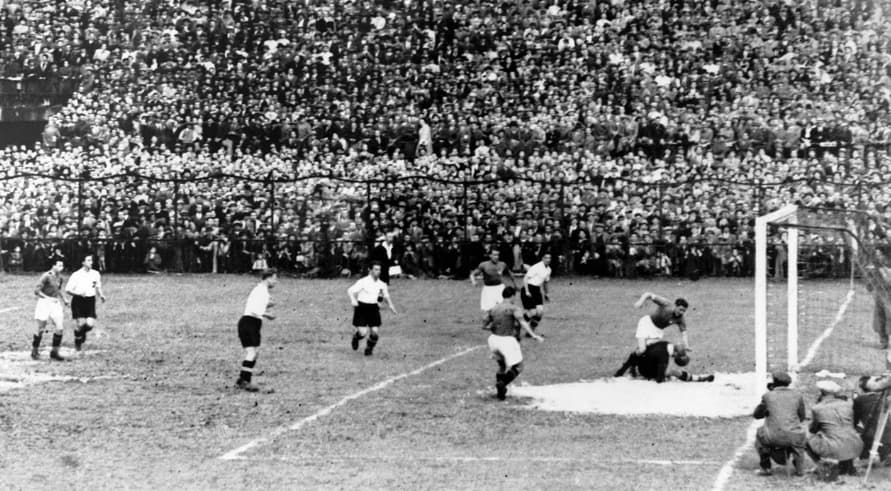
It marked the beginning of an Italian football dynasty.
1938 – Italy (Host: France)
Italy successfully defended their title, one of only two nations ever to win back-to-back World Cups.
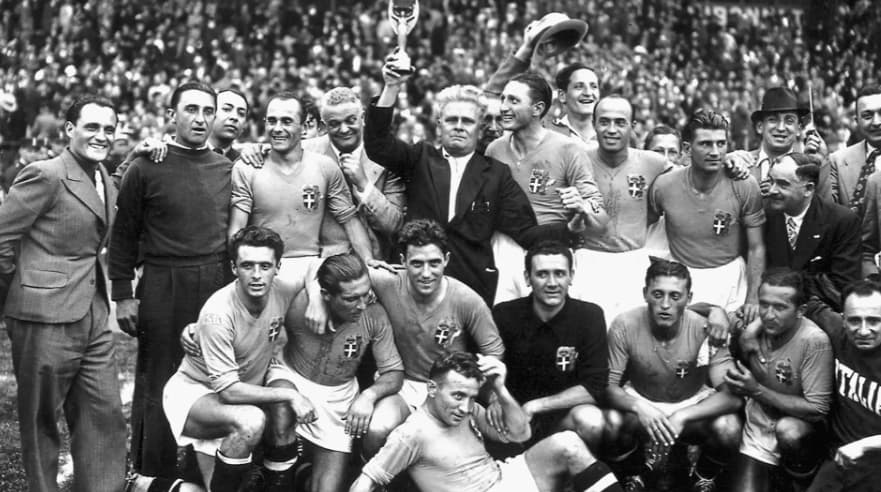
They beat Hungary 4–2 in a commanding final performance under Pozzo once again.
1950 – Uruguay (Host: Brazil)
In one of football’s greatest upsets, Uruguay shocked Brazil 2–1 in the deciding match at the Maracanã stadium.
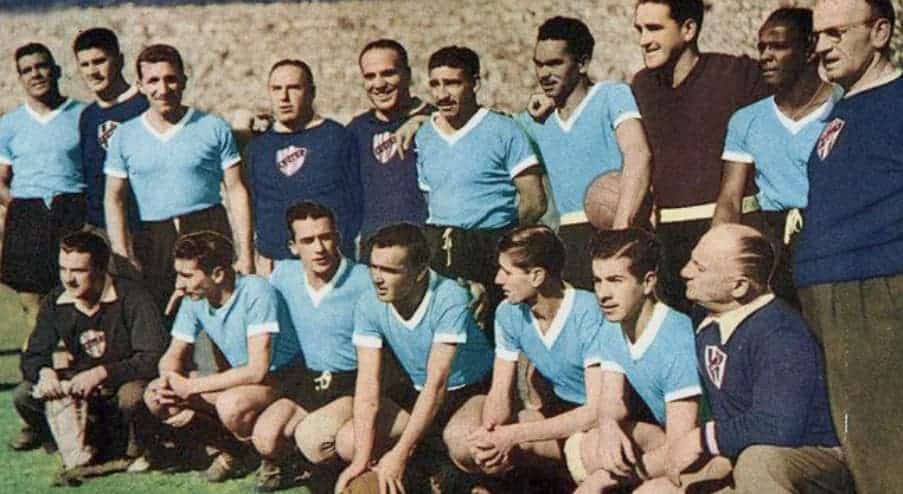
The event became known as the “Maracanazo,” traumatizing Brazilian football for decades.
1954 – Germany (Host: Switzerland)
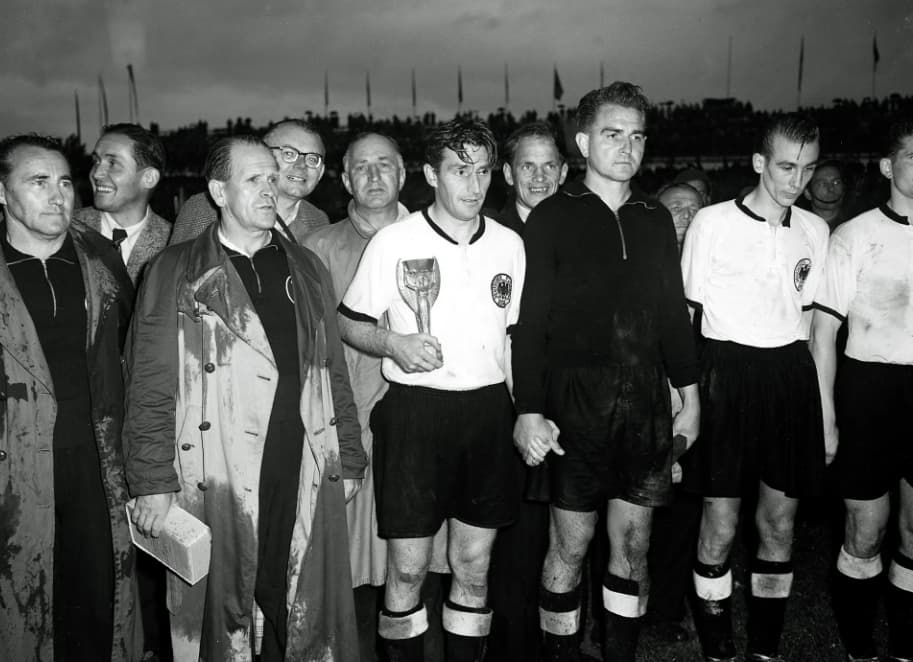
West Germany produced a stunning comeback, defeating the previously unbeaten Hungarian “Golden Team” 3–2 in what became known as the “Miracle of Bern,” their first World Cup title.
1958 – Brazil (Host: Sweden)
A 17-year-old Pelé announced himself to the world as Brazil claimed their first World Cup, thrashing hosts Sweden 5–2.
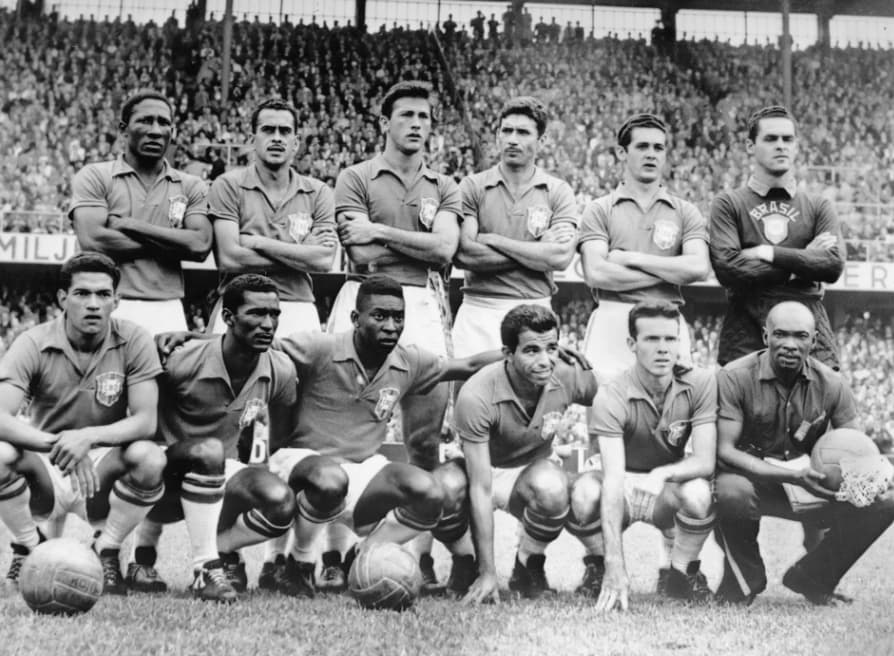
It was the start of Brazil’s golden age in world football.
1962 – Brazil (Host: Chile)
Brazil retained the World Cup in Chile, cementing their status as the world’s best team.
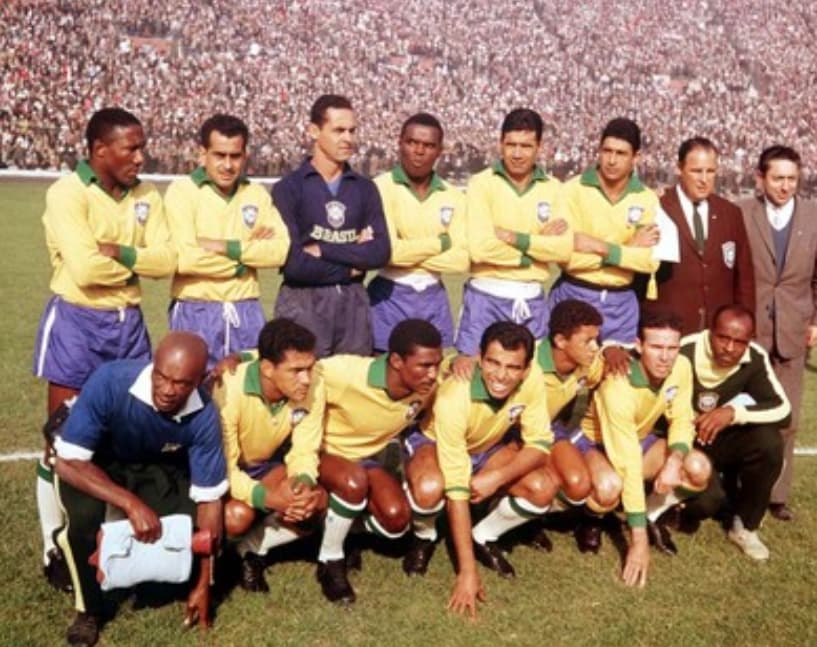
Despite Pelé being injured early in the tournament, Garrincha stepped up and led the side to glory.
1966 – England (Host: England)
England’s only World Cup title came on home soil at Wembley Stadium.
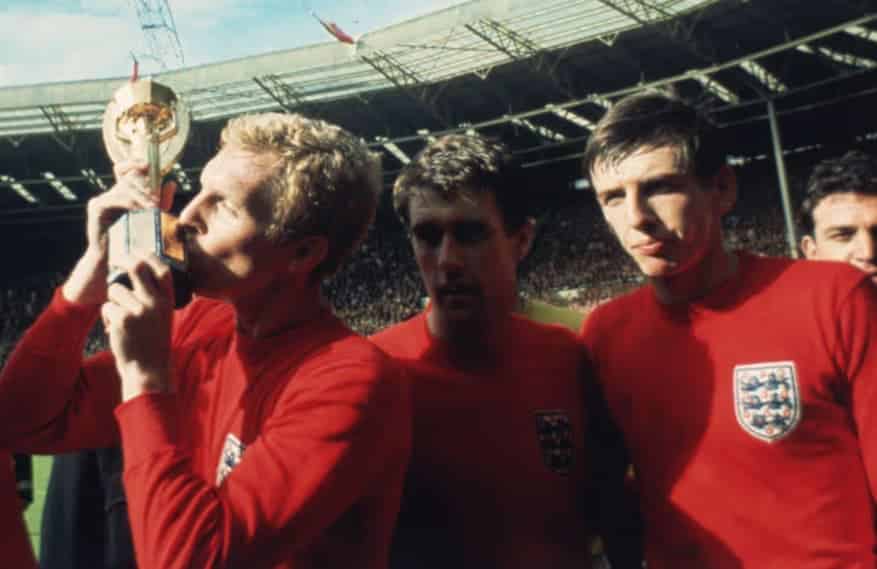
Geoff Hurst famously scored a hat-trick in the 4–2 final win over West Germany, including the controversial “was it over the line?” goal.
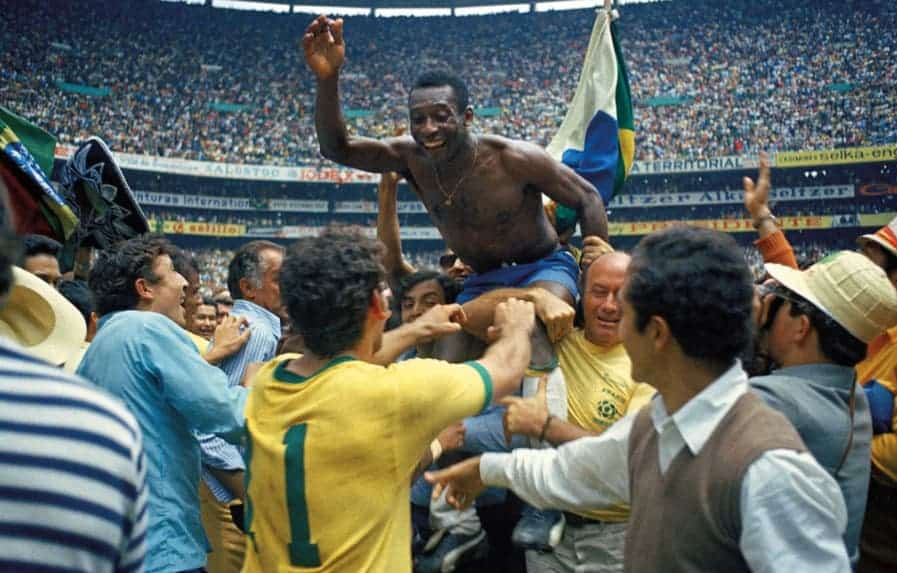
1970 – Brazil (Host: Mexico)
Widely considered one of the greatest teams ever assembled, Brazil’s 1970 side featuring Pelé, Jairzinho, and Tostão won every match and beat Italy 4–1 in the final to claim an unprecedented third title.
1974 – Germany (Host: West Germany)
West Germany defeated Johan Cruyff’s Netherlands 2–1 in the final, ending the Dutch “Total Football” era’s best shot at glory.
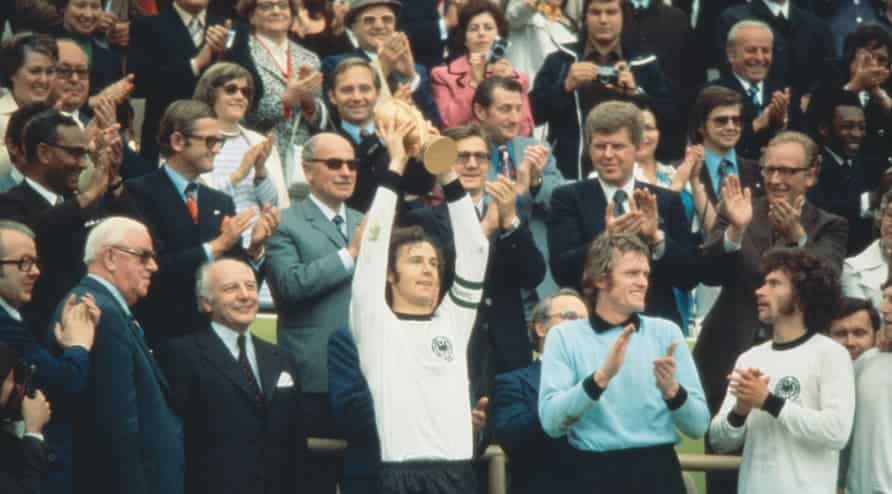
Franz Beckenbauer lifted the trophy on home soil.
1978 – Argentina (Host: Argentina)
Argentina won their first World Cup on home ground, defeating the Netherlands 3–1 in extra time.
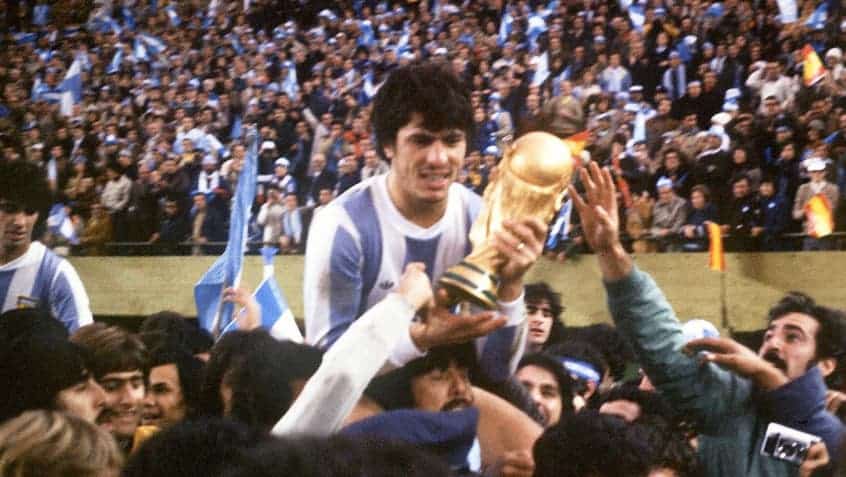
Mario Kempes was the tournament’s top scorer and the hero of the final in Buenos Aires.
1982 – Italy (Host: Spain)
Italy came alive after a slow group stage, eventually beating West Germany 3–1 in the final.
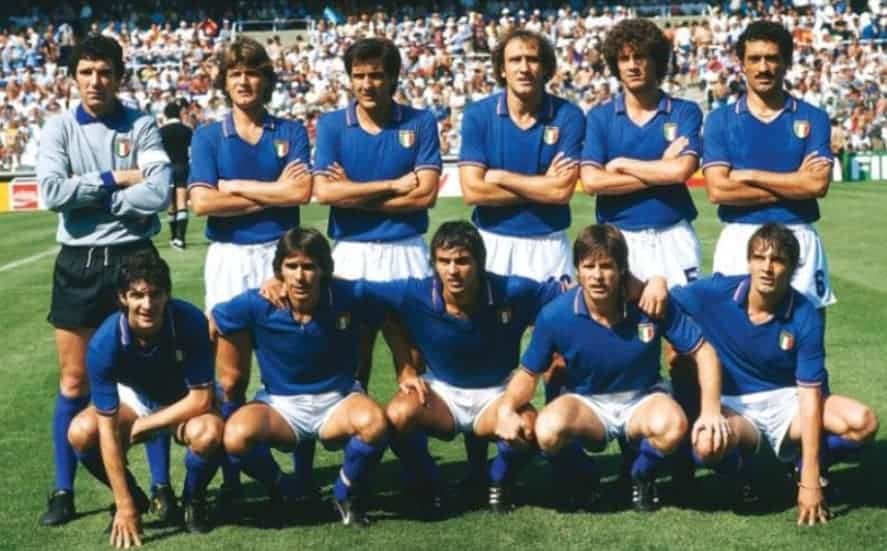
Paolo Rossi scored six goals in five games to win the Golden Boot and carry Italy to their third title.
1986 – Argentina (Host: Mexico)
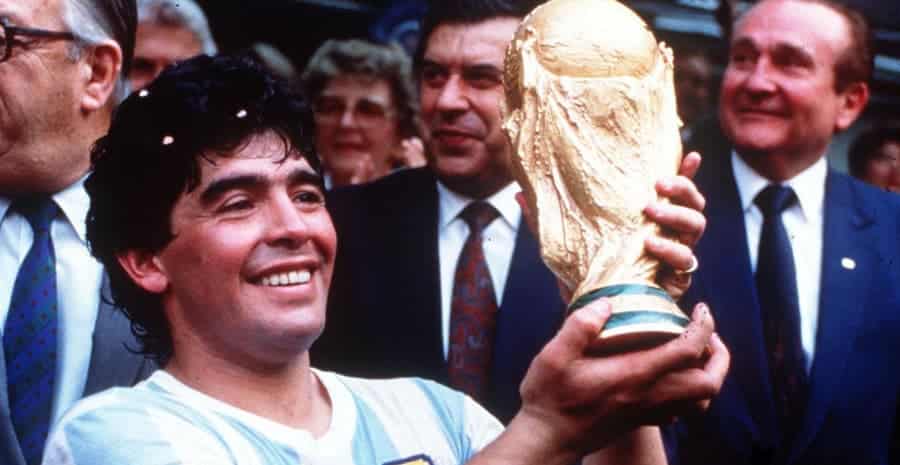
Diego Maradona delivered one of football’s most iconic individual performances, including the “Hand of God” goal and the “Goal of the Century” against England. Argentina beat Germany 3–2 in the final.
1990 – Germany (Host: Italy)
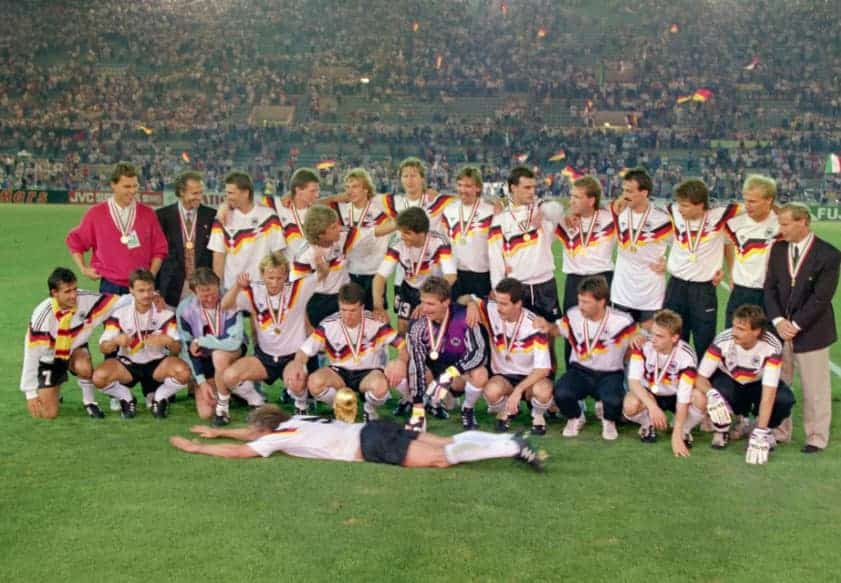
A tightly contested final saw West Germany defeat Argentina 1–0 via an Andreas Brehme penalty. It was Germany’s third title and widely regarded as one of the most defensive World Cup tournaments.
1994 – Brazil (Host: USA)
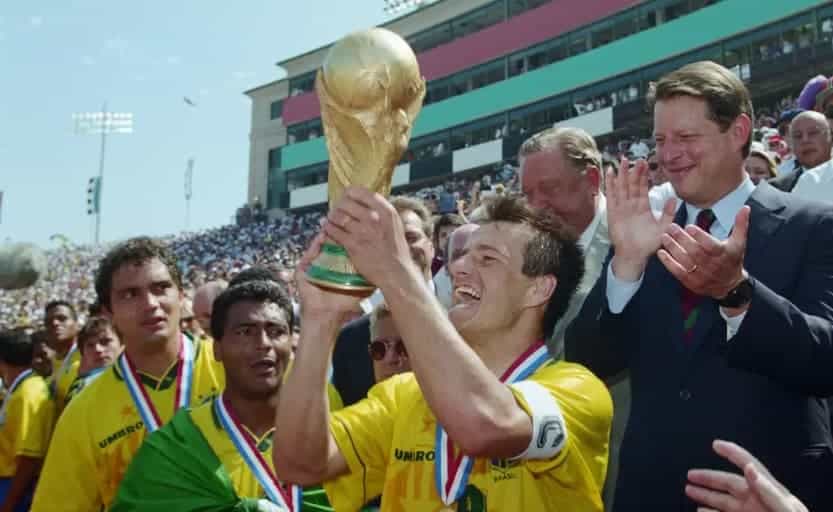
Brazil won their fourth title in a penalty shootout against Italy after a 0–0 draw. Roberto Baggio famously missed the decisive penalty for Italy, sending Brazil into euphoria.
1998 – France (Host: France)
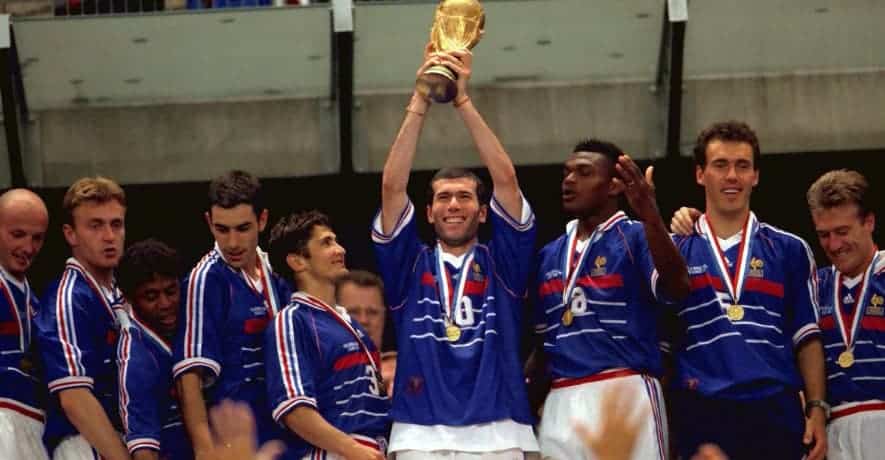
Zinedine Zidane headed in two goals as France demolished Brazil 3–0 on home soil, claiming their first World Cup title in front of their own fans. Ronaldo’s mysterious illness before the final remains a talking point.
2002 – Brazil (Host: Korea & Japan)
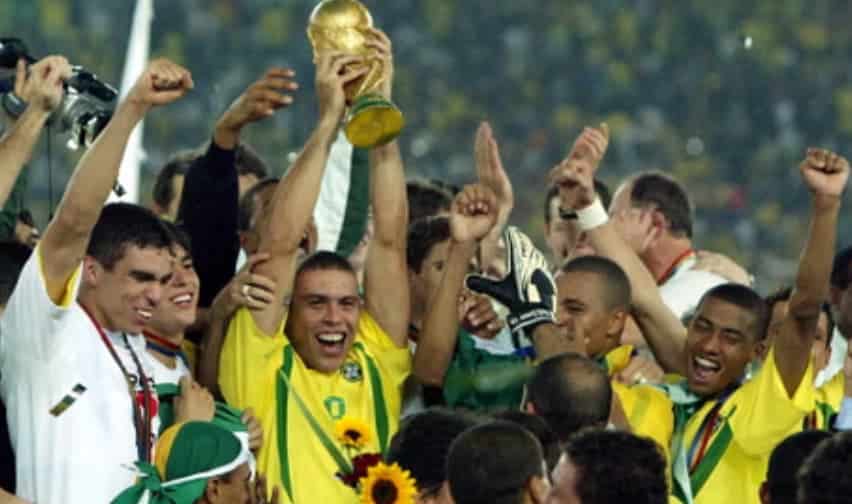
Ronaldo redeemed himself from 1998 with two goals in the final as Brazil beat Germany 2–0, winning a record fifth World Cup title. It was the first World Cup hosted in Asia, later followed by Qatar in 2022.
2006 – Italy (Host: Germany)
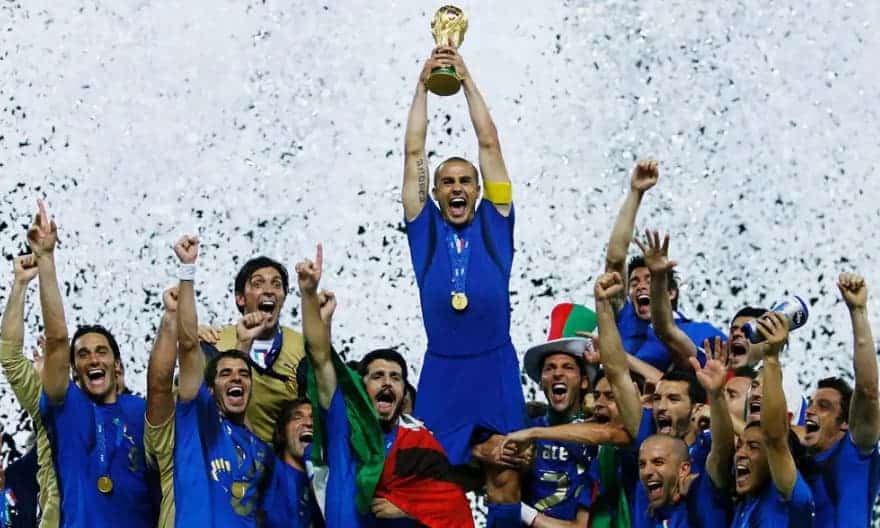
Italy edged past France in a dramatic final remembered for Zidane’s headbutt on Marco Materazzi in extra time. Italy won 5–3 on penalties to claim their fourth title.
2010 – Spain (Host: South Africa)
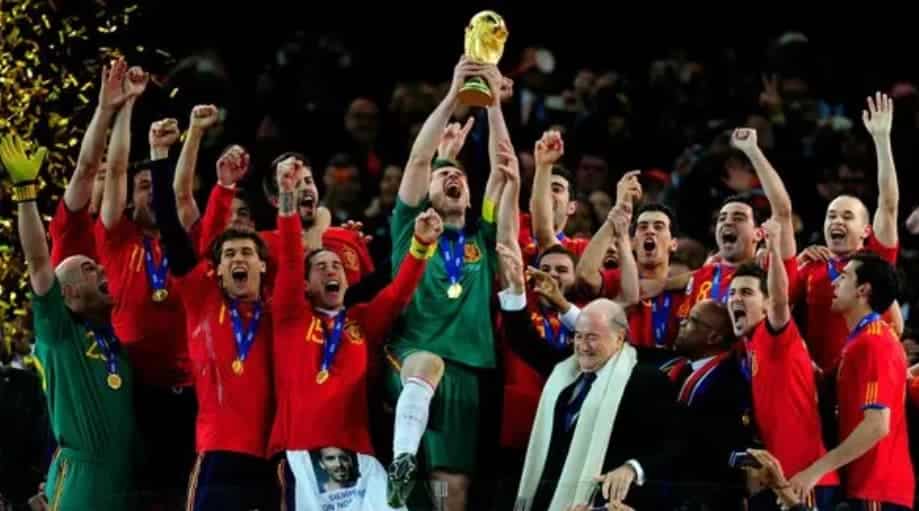
Spain became the first European team to win a World Cup held outside Europe. Andrés Iniesta’s extra-time winner against the Netherlands sealed a 1–0 victory and completed Spain’s historic football era.
2014 – Germany (Host: Brazil)
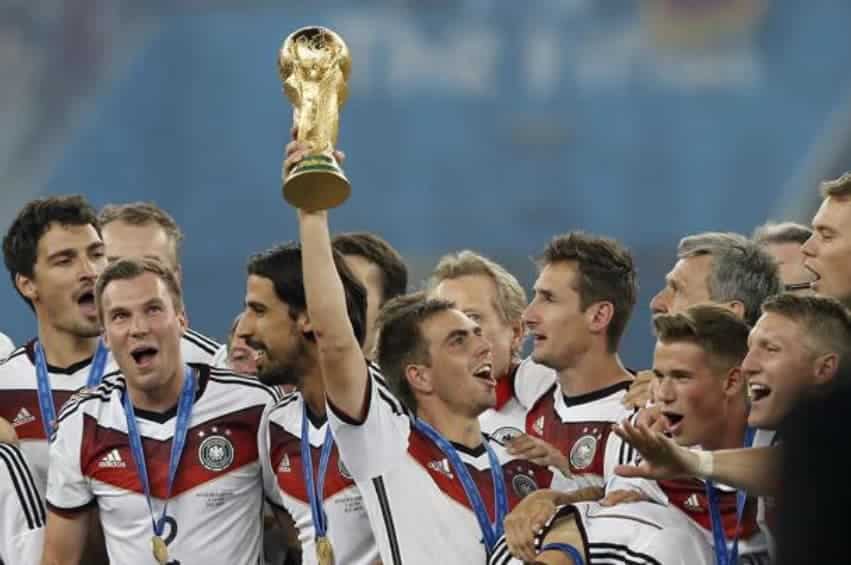
Mario Götze’s extra-time goal gave Germany a 1–0 win over Argentina. The tournament is remembered for Germany’s stunning 7–1 demolition of hosts Brazil in the semifinal, “The Mineirazo.”
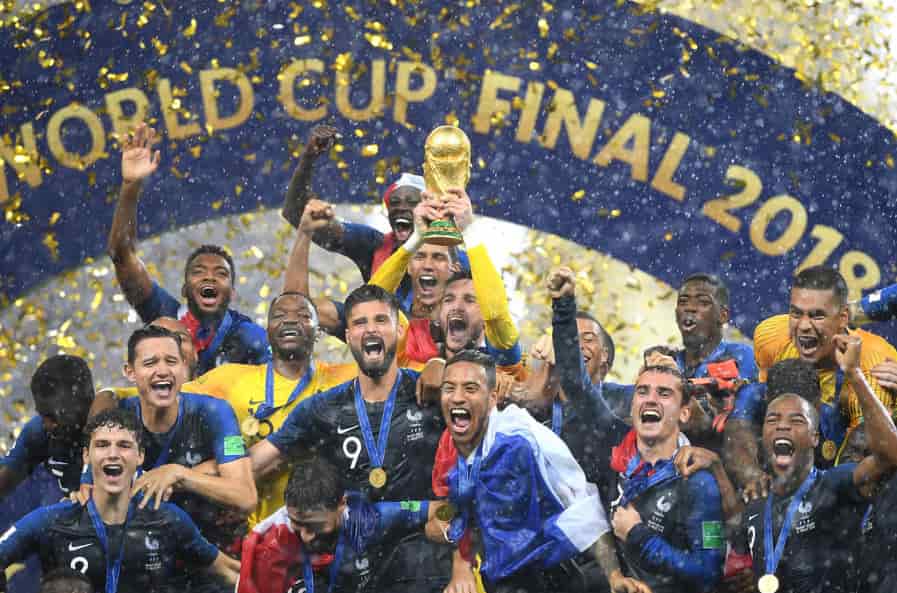
2018 – France (Host: Russia)
A young French side led by Kylian Mbappé and Antoine Griezmann beat Croatia 4–2 in a high-scoring final to claim France’s second World Cup. Mbappé became only the second teenager to score in a World Cup final.
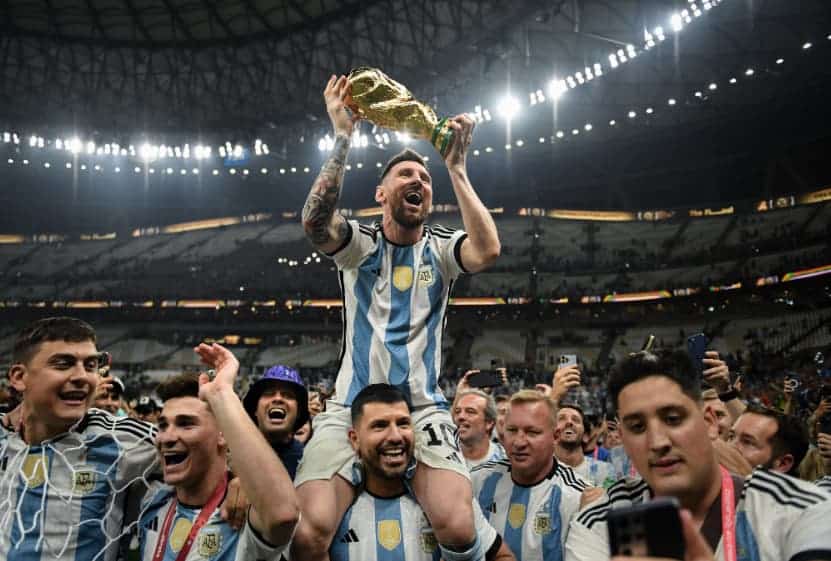
2022 – Argentina (Host: Qatar)
In what is widely regarded as the greatest World Cup final ever, Argentina defeated France 4–2 on penalties after an extraordinary 3–3 draw. Lionel Messi finally won the one title that had eluded him, cementing his legacy as the greatest player of all time.
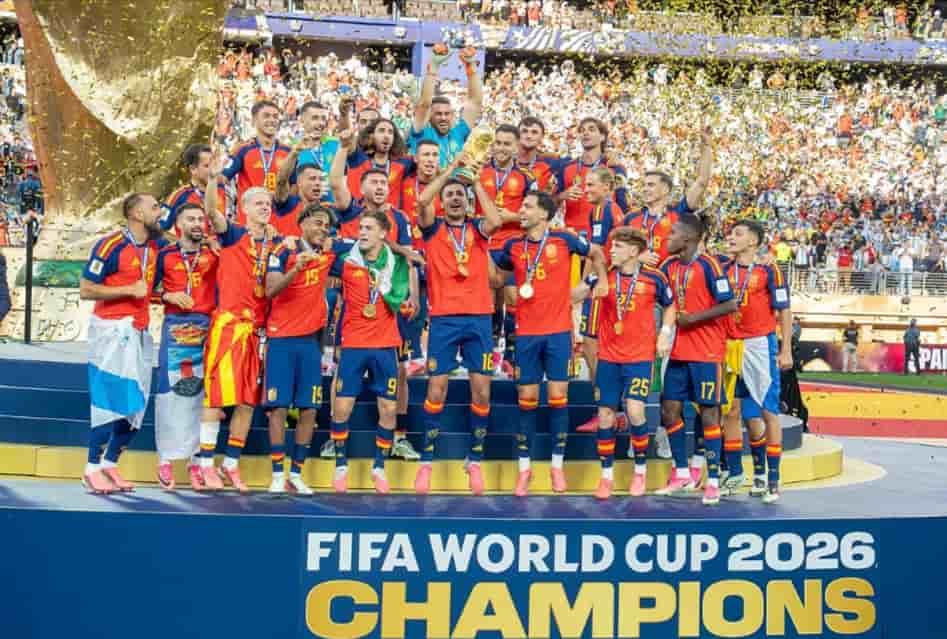
2026 – Spain (Hosts: Canada, Mexico & USA)
Spain defeated Argentina 1–0 after extra time in the FIFA World Cup 2026 final, with Ferran Torres scoring the decisive goal to secure La Roja’s second world title. After also winning UEFA EURO 2024, Spain completed a remarkable run by defeating Austria, Portugal, Belgium, France, and Argentina in the knockout stage, establishing themselves as both European and world champions.
FIFA World Cup Top Scorers – Player Profiles from Each Era
The FIFA World Cup winners list is shaped not just by teams but by iconic individuals who defined their eras. Here are five of the greatest top scorers, one from each major era, whose goals decided World Cup destinies.
Pelé – Brazil (Era: 1958–1970)
| Attribute | Details |
|---|---|
| Full Name | Edson Arantes do Nascimento |
| Nationality | Brazilian |
| World Cups | 1958, 1962, 1966, 1970 |
| World Cup Goals | 12 goals in 14 matches |
| World Cup Titles | 3 (1958, 1962, 1970) |
| Position | Forward |
Widely regarded as the greatest footballer of all time, Pelé burst onto the World Cup stage at just 17 years old, scoring 6 goals in 1958 including a hat-trick in the semifinal against France.
He remains the only player in history to win three FIFA World Cup titles. His blend of dribbling, finishing, and vision set the gold standard for every generation that followed. Pelé scored Brazil’s 1,000th official goal in 1969 and retired in 1977 as the sport’s most celebrated icon.
Gerd Müller – West Germany (Era: 1970–1974)
| Attribute | Details |
|---|---|
| Full Name | Gerhard Müller |
| Nationality | German |
| World Cups | 1970, 1974 |
| World Cup Goals | 14 goals in 13 matches |
| World Cup Titles | 1 (1974) |
| Position | Striker |
Gerd Müller, nicknamed “Der Bomber”, is one of the highest scorers in World Cup history with 14 goals across just two tournaments.
He won the Golden Boot at the 1970 World Cup with 10 goals and scored the decisive winner in the 1974 final against the Netherlands. His lethal instinct in the penalty box and ability to score in tight spaces made him the most feared striker of his era. Müller also won the 1970 and 1972 Ballon d’Or awards, cementing his legacy as one of football’s all-time greats.
Ronaldo (R9) – Brazil (Era: 1994–2006)
| Attribute | Details |
|---|---|
| Full Name | Ronaldo Luís Nazário de Lima |
| Nationality | Brazilian |
| World Cups | 1994, 1998, 2002, 2006 |
| World Cup Goals | 15 goals in 19 matches |
| World Cup Titles | 2 (1994, 2002) |
| Position | Striker |
Ronaldo Nazário, often called R9 to distinguish him from Cristiano Ronaldo, scored 15 goals in World Cup history, a record at the time of his retirement. After a mysterious pre-final illness overshadowed Brazil’s 1998 defeat to France, he redeemed himself spectacularly in 2002, netting twice in the final against Germany to fire Brazil to their fifth title.
He won the FIFA World Player of the Year award three times and the Ballon d’Or twice. His combination of pace, power, and finishing remains unmatched in the sport’s history.
Miroslav Klose – Germany (Era: 2002–2014)
| Attribute | Details |
|---|---|
| Full Name | Miroslav Josef Klose |
| Nationality | German |
| World Cups | 2002, 2006, 2010, 2014 |
| World Cup Goals | 16 goals in 24 matches |
| World Cup Titles | 1 (2014) |
| Position | Striker |
Miroslav Klose is the FIFA World Cup’s all-time top scorer with a record 16 goals across four tournaments, surpassing Ronaldo’s record in 2014. He won the Golden Boot at the 2006 World Cup on home soil and played a vital role in Germany’s 2014 triumph in Brazil, scoring in the historic 7–1 semifinal demolition of the hosts.
Known for his selfless running, intelligent movement, and acrobatic bicycle-kick celebrations, Klose embodies the ideal team striker. His record of 16 World Cup goals may never be broken.
Lionel Messi – Argentina (Era: 2006–2022)
| Attribute | Details |
|---|---|
| Full Name | Lionel Andrés Messi Cuccittini |
| Nationality | Argentine |
| World Cups | 2006, 2010, 2014, 2018, 2022 |
| World Cup Goals | 13 goals in 26 matches |
| World Cup Titles | 1 (2022) |
| Position | Forward / Attacking Midfielder |
Lionel Messi’s journey to World Cup glory is one of football’s greatest redemption stories. After four near-misses, including a 2014 final defeat, Messi finally lifted the trophy in Qatar 2022, scoring 7 goals and providing 3 assists to win the Golden Ball as the tournament’s best player.
He became the first player in history to officially win multiple Golden Ball awards at World Cups (2014 & 2022), an award officially introduced in 1982. With 8 Ballon d’Or awards and now a World Cup winner’s medal, Messi has conclusively settled the GOAT debate for millions of fans worldwide.
Final Words
The FIFA World Cup winners list is a testament to football’s global heritage, from Uruguay’s humble origins in 1930 to Argentina’s emotional triumph in Qatar 2022, every champion has written an unforgettable chapter.
Brazil leads with five titles, followed by Germany and Italy with four each, but every four years a new story unfolds. With the 2026 FIFA World Cup expanding to 48 teams across North America, the next chapter promises to be the biggest and most thrilling edition yet. The wait begins now.