The IPL trade window has quietly become one of the most dramatic corners of franchise cricket. While auctions grab the headlines, it is the trade deals in IPL that often reshape title contenders overnight.
The biggest trade deal in IPL history, the Rishabh Pant and Kuldeep Yadav swap between LSG and Delhi Capitals ahead of IPL 2027 worth a combined INR 28.25 crore, proves how significantly these moves can alter the balance of power.
From early dollar-era exchanges to multi-crore blockbusters, here is every major trade in IPL history.
What Is an IPL Trade Deal and How Does It Work?
Before diving into the deals themselves, it helps to understand the mechanism. IPL franchises can trade contracted players with other franchises before a new season, either in exchange for cash, other players, or a combination of both. The traded player retains their existing contract value or receives a revised price mutually agreed upon by both teams and the BCCI.
Key rules of IPL trade deals:
- A trade can only happen during the designated pre-season window before auctions or squad announcements.
- The traded player must give consent to the move.
- Both franchises must agree on the financial terms and player swap package.
- The deal is finalised only after BCCI ratification.
- Players can be traded for cash only (all-cash deal) or in exchange for other contracted players.
Complete List of Trade Deals in IPL History: All-Time Rankings by Value
Here is a comprehensive overview of every significant trade deal in IPL history, ranked from the largest combined value to the smallest.
| Rank | Player(s) Traded | From | To | Season | Deal Value / Structure |
|---|---|---|---|---|---|
| 1 | Rishabh Pant + Kuldeep Yadav | LSG / DC | DC / LSG | IPL 2027 | INR 28.25 Cr combined (Pant: 15 Cr, Kuldeep: 13.25 Cr) |
| 2 | Sanju Samson + Ravindra Jadeja + Sam Curran | RR / CSK | CSK / RR | IPL 2026 | INR 34.40 Cr combined (Samson: 18 Cr, Jadeja: 14 Cr, Curran: 2.4 Cr) |
| 3 | Cameron Green | MI | RCB | IPL 2024 | INR 17.50 Cr (all-cash) |
| 4 | Hardik Pandya | GT | MI | IPL 2024 | INR 15 Cr (all-cash) |
| 5 | Mohammed Shami | SRH | LSG | IPL 2026 | INR 10 Cr (all-cash) |
| 6 | Shardul Thakur | DC | KKR | IPL 2023 | INR 10.75 Cr (all-cash) |
| 7 | Lockie Ferguson | GT | KKR | IPL 2023 | INR 10 Cr (all-cash) |
| 8 | Shikhar Dhawan + 3 players | DC / SRH | SRH / DC | IPL 2019 | Dhawan: INR 5.20 Cr vs Vijay Shankar (3.2 Cr) + Shahbaz Nadeem (3.2 Cr) + Abhishek Sharma (55 L) |
| 9 | Robin Uthappa + Zaheer Khan | MI / RCB | RCB / MI | IPL 2009 | Uthappa: $800,000 vs Zaheer: $450,000 |
| 10 | Ravichandran Ashwin | PBKS | DC | IPL 2020 | INR 7.60 Cr (all-cash) |
IPL 2027 Trade Deals: Latest Updates
The biggest confirmed IPL 2027 trade so far is the swap between Delhi Capitals (DC) and Lucknow Super Giants (LSG). Rishabh Pant has returned to Delhi Capitals, while Kuldeep Yadav has moved to Lucknow Super Giants. The trade was officially completed on June 23, 2026.
| Player | From | To | Trade Price |
|---|---|---|---|
| Rishabh Pant | Lucknow Super Giants | Delhi Capitals | ₹15 crore |
| Kuldeep Yadav | Delhi Capitals | Lucknow Super Giants | ₹13.50 crore |
Pant previously joined LSG for a record ₹27 crore at the IPL 2025 mega auction. His return to Delhi comes at a revised ₹15 crore fee, while Kuldeep joins LSG on ₹13.50 crore.
The move also marks Pant’s return to the franchise he represented from 2016 to 2024, while Kuldeep leaves Delhi after taking 72 wickets in 65 matches for the Capitals.
All Major IPL Trade Deals Explained: Full History and Context
The IPL trade window has seen several blockbuster player moves over the years. Here’s a look at the biggest deals, their background, and their impact on the teams involved.
1. Rishabh Pant to DC + Kuldeep Yadav to LSG (Before IPL 2027) | INR 28.25 Crore Combined
The biggest trade deal in IPL history.
Rishabh Pant’s return to Delhi Capitals is the most headline-grabbing trade in the league’s existence.
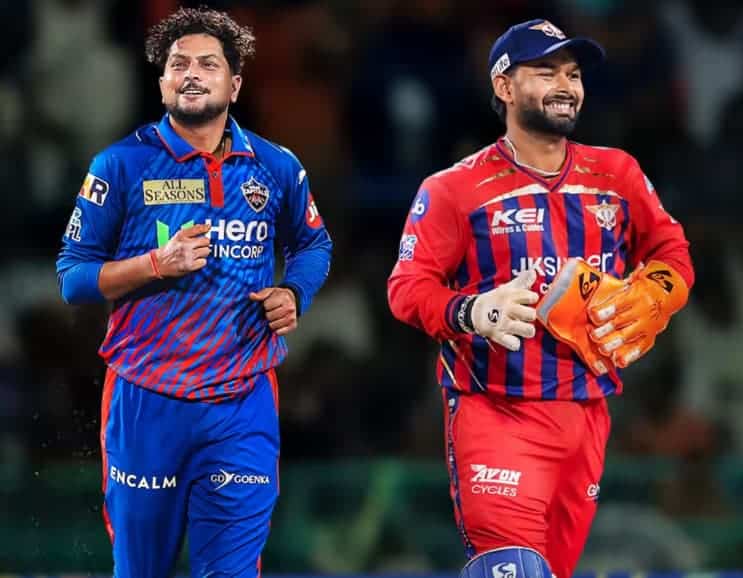
After LSG bought him for a record-breaking INR 27 crore at the IPL 2025 mega auction, Pant was moved back to Delhi at a revised price of INR 15 crore following two underwhelming seasons as captain where LSG failed to impress. In exchange, Delhi parted with wrist-spinner Kuldeep Yadav, who heads to Lucknow for INR 13.25 crore.
Why it matters:
- Pant holds the record as the costliest player in IPL auction history (INR 27 Cr, IPL 2025 auction).
- His revised trade price of INR 15 crore is still among the highest in any IPL transfer.
- Kuldeep, a proven match-winner in all conditions, fills LSG’s spin gap immediately.
- Combined deal value: INR 28.25 crore, making it the single largest trade transaction in IPL history.
| Player | Direction | Contract Value |
|---|---|---|
| Rishabh Pant | LSG → DC | INR 15 Crore |
| Kuldeep Yadav | DC → LSG | INR 13.25 Crore |
| Combined | INR 28.25 Crore |
2. Sanju Samson to CSK + Jadeja + Curran to RR (Before IPL 2026) | INR 34.40 Crore Combined
The most emotionally charged trade deal in IPL history.
Sanju Samson spent 11 seasons with Rajasthan Royals, becoming the face of the franchise. His trade to Chennai Super Kings sent shockwaves through the IPL ecosystem. CSK needed a new fulcrum as the MS Dhoni era drew to a close, and Samson, at his peak and as India’s first-choice wicketkeeper, was the answer.
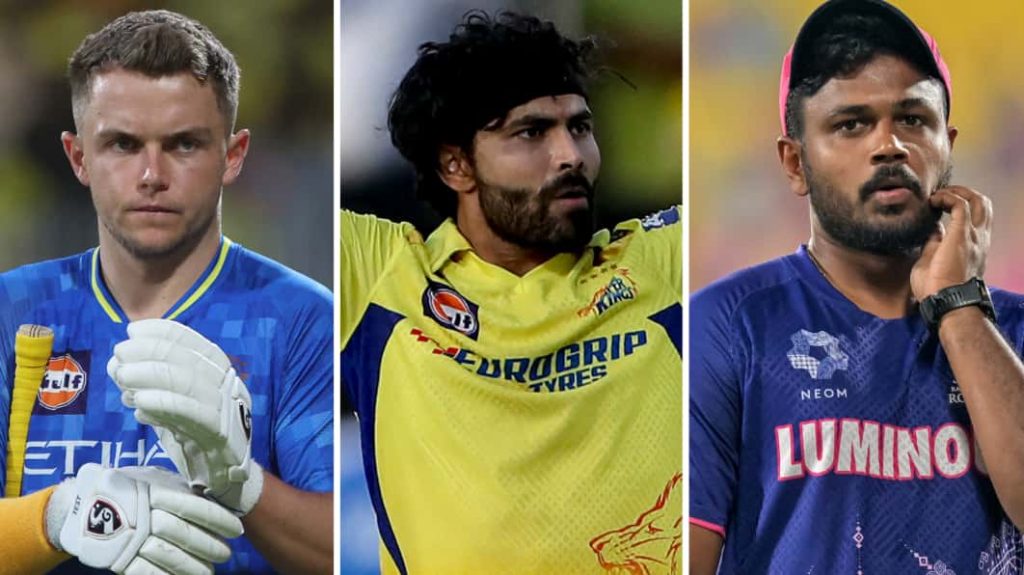
In return, RR acquired two of CSK’s most dependable campaigners:
- Ravindra Jadeja (revised price: INR 14 crore, down from INR 18 crore with CSK)
- Sam Curran (acquired at INR 2.4 crore)
Samson retained his INR 18 crore contract value at CSK.
| Player | Direction | Contract Value |
|---|---|---|
| Sanju Samson | RR → CSK | INR 18 Crore |
| Ravindra Jadeja | CSK → RR | INR 14 Crore |
| Sam Curran | CSK → RR | INR 2.40 Crore |
| Combined | INR 34.40 Crore |
What made this trade exceptional was the symmetry of the swap. Both Samson and Jadeja had spent their most formative IPL years at their respective clubs. The trade essentially swapped two franchise legends, reshaping both squads’ identities in a single move.
3. Cameron Green from MI to RCB (Before IPL 2024) | INR 17.50 Crore
The highest all-cash trade deal in IPL history at the time.
Mumbai Indians spent INR 17.50 crore on Australian all-rounder Cameron Green in the IPL 2023 auction, and he delivered. But MI needed to free up funds and roster space to execute the Hardik Pandya trade from Gujarat Titans. The solution: move Green to Royal Challengers Bengaluru in a straight cash deal at full contract value.
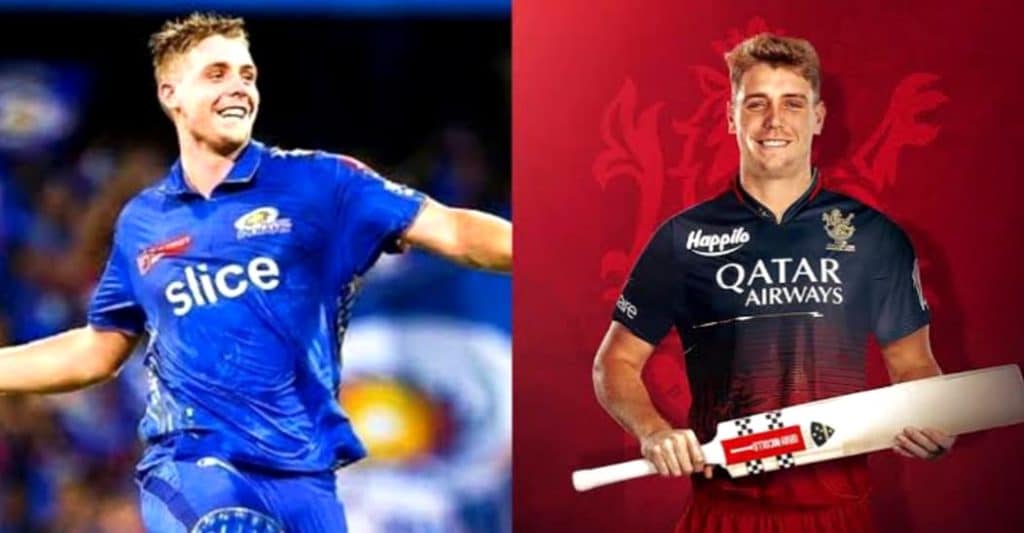
Key points about this trade:
- It was a pure all-cash deal, the largest single-player cash trade at the time.
- RCB saw Green as a powerful top-order batting option with genuine pace bowling ability.
- MI sacrificed their highest-paid overseas asset to bring Pandya back home.
4. Hardik Pandya from GT to MI (Before IPL 2024) | INR 15 Crore
The most controversial trade deal in IPL history.
Hardik Pandya’s return to Mumbai Indians divided fan opinion sharply. Gujarat Titans had invested INR 15 crore in Pandya before the 2022 mega auction (secured via pre-auction draft), and he repaid them spectacularly, leading GT to back-to-back IPL finals and one title in 2022.
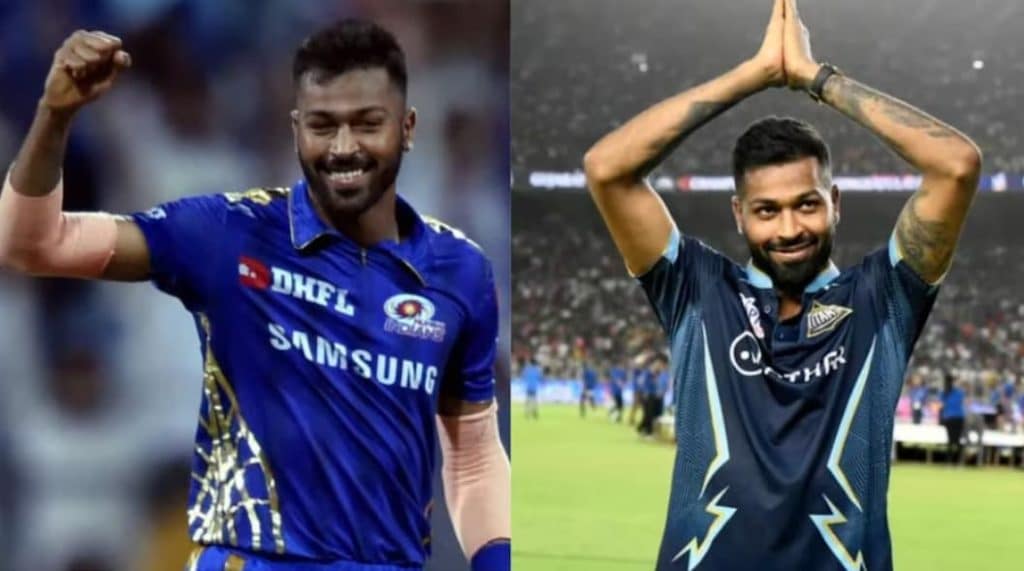
MI completed the all-cash buyback at the same INR 15 crore price. The move came packaged with a captaincy handover, with Pandya replacing Rohit Sharma as MI captain for IPL 2024, a decision that drew significant backlash from fans but reflected MI’s long-term succession plan.
| Season | Team | Role | Result |
|---|---|---|---|
| IPL 2022 | Gujarat Titans | Captain | IPL Champions |
| IPL 2023 | Gujarat Titans | Captain | Runners-up |
| IPL 2024 | Mumbai Indians | Captain | Mid-table finish |
5. Mohammed Shami from SRH to LSG (Before IPL 2026) | INR 10 Crore
The all-cash trade that highlighted the risk of injury-prone signings.
Sunrisers Hyderabad bought Shami for INR 10 crore at the IPL 2025 mega auction, banking on his return to full fitness. But Shami struggled badly, picking up only 6 wickets in 9 games at an economy rate of 11.23. SRH opted against releasing him and instead traded him to Lucknow Super Giants in a straightforward all-cash deal at his full contract value of INR 10 crore.
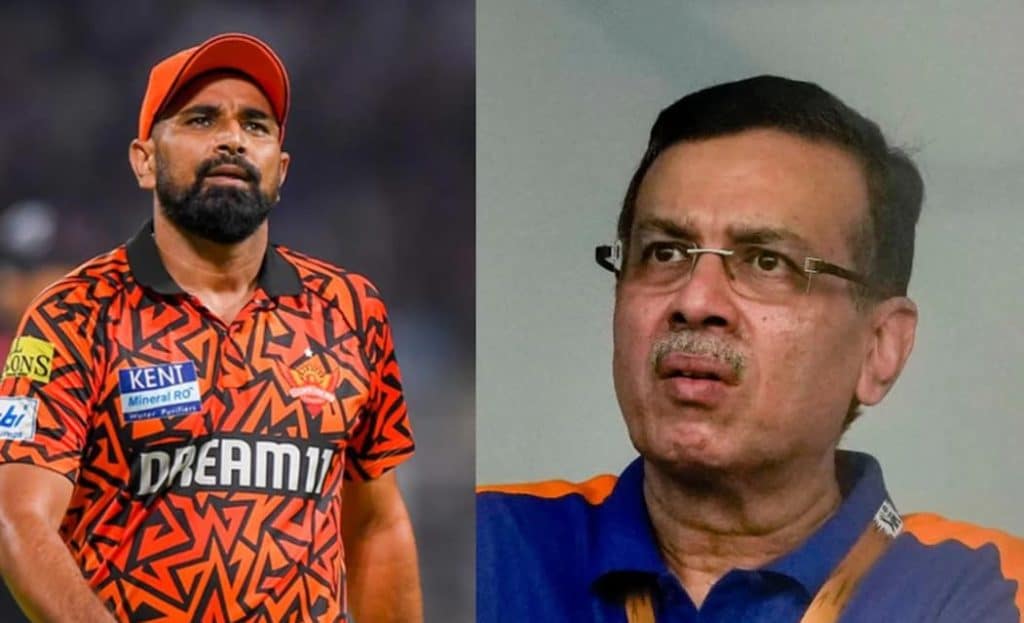
LSG were willing to back Shami on a fresh start. The deal represented one of the clearest examples of a franchise recouping their investment on a player who had not lived up to expectations, rather than simply releasing him into the auction pool.
6. Shardul Thakur from DC to KKR (Before IPL 2023) | INR 10.75 Crore
The swift one-season turnaround trade.
Delhi Capitals backed Shardul Thakur heavily at the IPL 2022 auction, spending INR 10.75 crore to make him one of their key pace all-rounders. After a single season where he played 14 games, DC moved him to Kolkata Knight Riders in a cash deal at full value before IPL 2023.
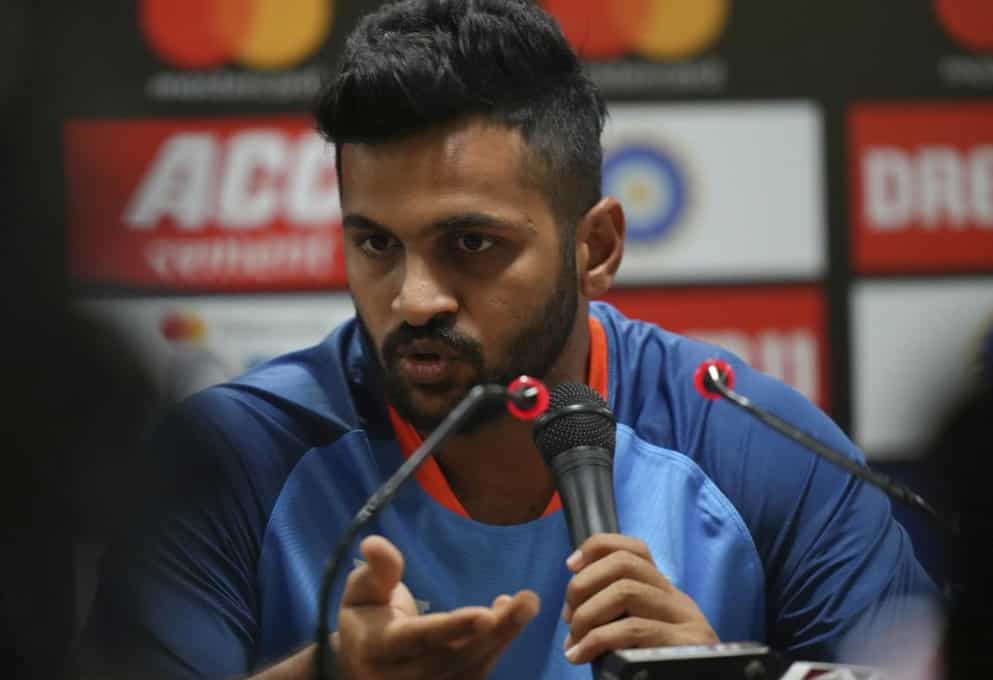
Shardul’s adaptability made him attractive to KKR, who needed a player capable of contributing in the lower order and with the new ball. He went on to represent three IPL franchises across back-to-back seasons via the trade route, which speaks to his high demand in the market.
7. Lockie Ferguson from GT to KKR (Before IPL 2023) | INR 10 Crore
A short but impactful stint leads to a franchise reunion.
Gujarat Titans signed Lockie Ferguson for INR 10 crore in the IPL 2022 mega auction.
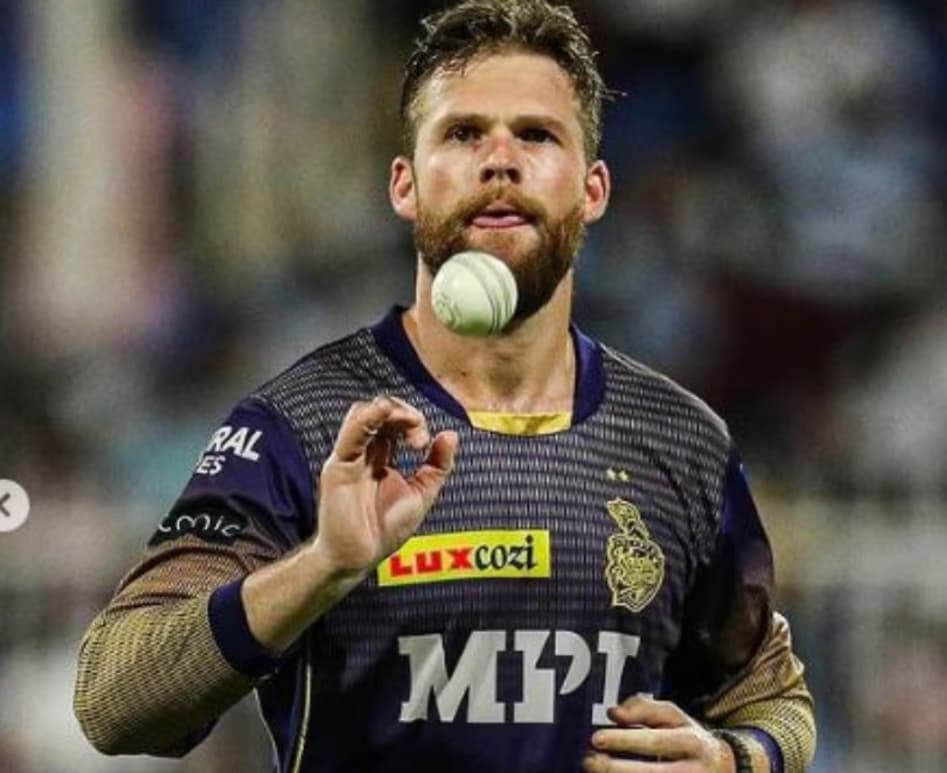
His return to GT was brief, as he played only 13 games and took 12 wickets before being moved on in a cash deal to Kolkata Knight Riders, where he had previously played. It was a reunion of sorts, with KKR confident in Ferguson’s ability to bowl at top pace in the death overs.
8. Shikhar Dhawan from SRH to DC (Before IPL 2019) | Multi-Player Exchange
The most complex player-exchange trade deal in IPL history.
Ahead of IPL 2019, Delhi Capitals (then rebranding from Delhi Daredevils) orchestrated a multi-player swap to bring back hometown hero Shikhar Dhawan from Sunrisers Hyderabad.
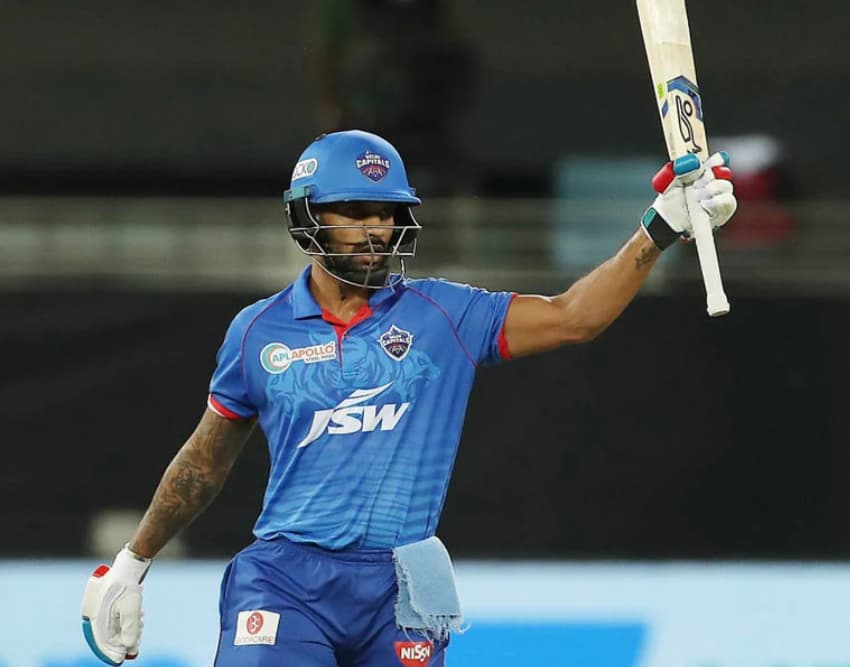
The full structure of the deal:
| Player | Direction | Value |
|---|---|---|
| Shikhar Dhawan | SRH → DC | INR 5.20 Crore |
| Vijay Shankar | DC → SRH | INR 3.20 Crore |
| Shahbaz Nadeem | DC → SRH | INR 3.20 Crore |
| Abhishek Sharma | DC → SRH | INR 55 Lakh |
| Cash top-up by SRH | To balance the differential |
Dhawan had been a cornerstone of SRH’s 2016 title win and their 2018 runner-up finish. For DC, landing an experienced left-handed opener was a priority as they rebuilt under a new identity. This trade stands as the most structurally complex in IPL history, involving four players and a cash balancer.
9. Zaheer Khan to MI + Robin Uthappa to RCB (Before IPL 2009) | Dollar-Era Exchange
The first landmark trade deal in IPL history.
In the league’s earliest years, IPL contracts were denominated in US dollars. Ahead of IPL 2009, Royal Challengers Bengaluru and Mumbai Indians struck a historic player-for-player exchange:
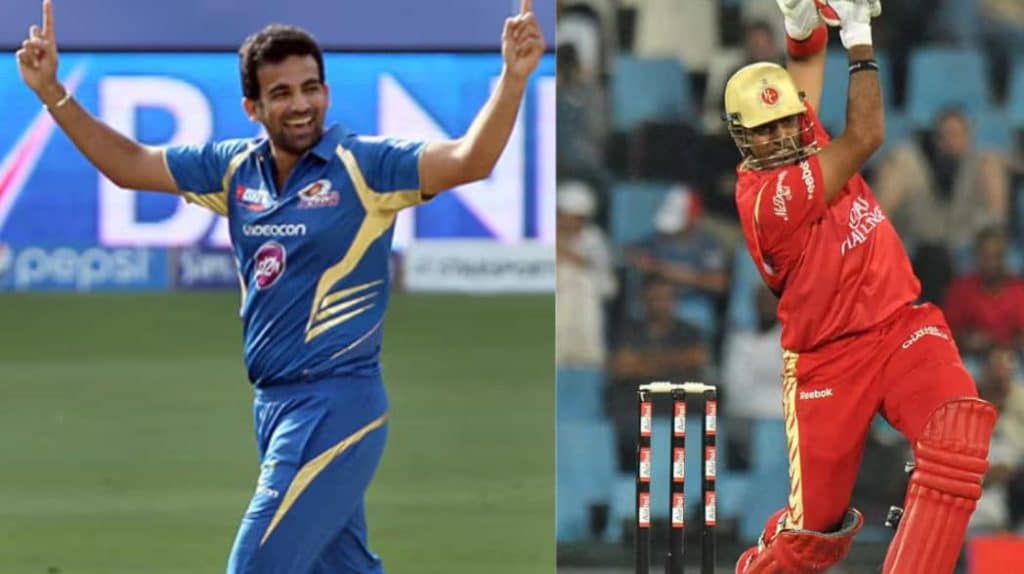
- Zaheer Khan (INR equivalent of $450,000) moved from RCB to MI.
- Robin Uthappa ($800,000) moved in the opposite direction.
Both players were contracted at different price points, making this a negotiated exchange rather than a like-for-like swap. Zaheer had played for RCB in the inaugural IPL 2008 season, while Uthappa was a young, dynamic batsman highly rated at the time. The deal foreshadowed the franchise-versus-franchise trade culture that would become standard practice years later.
10. Ravichandran Ashwin from PBKS to DC (Before IPL 2020) | INR 7.60 Crore
The captaincy experiment that ended in a trade.
Punjab Kings invested INR 7.60 crore in Ravichandran Ashwin at the IPL 2018 mega auction and handed him the captaincy. It did not work as expected. Over two seasons with Punjab, Ashwin took 25 wickets in 28 games but could not lift the team to the playoffs. Before IPL 2020, PBKS traded him to Delhi Capitals in a cash deal.
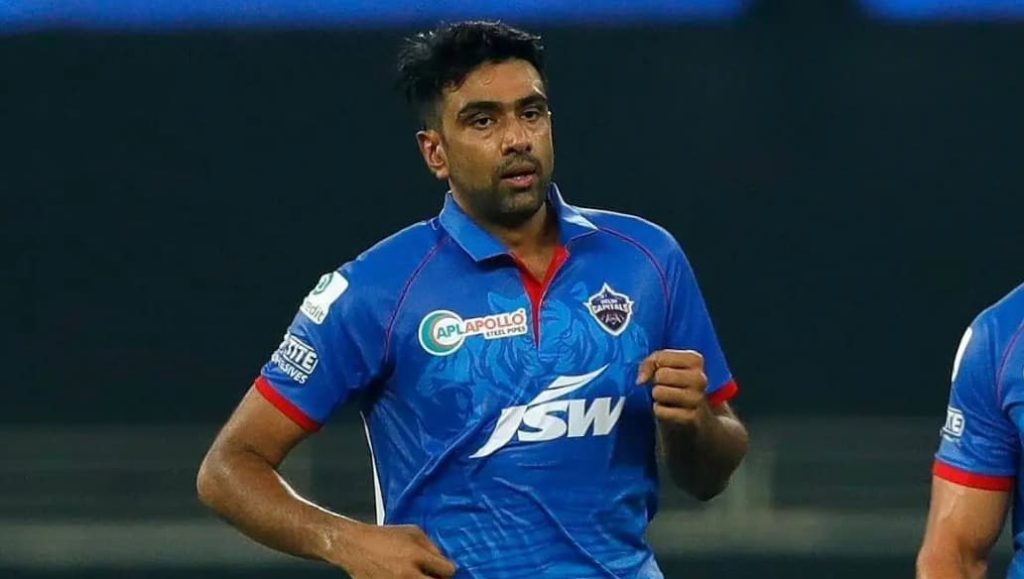
The move worked out well for both parties. Delhi needed an experienced spinner who could also contribute in the middle order, and Ashwin rediscovered some of his best form in the capital. For Punjab, it freed up significant salary space for new recruits.
IPL Trade Deals by Type: Cash vs Player Exchange
Not all trade deals in IPL history follow the same structure. Here is how they break down:
| Trade Type | Examples | Characteristic |
|---|---|---|
| All-Cash Deal | Cameron Green (MI→RCB), Hardik Pandya (GT→MI), Shami (SRH→LSG) | Franchise pays full or revised contract value in cash |
| Player-for-Player Exchange | Rishabh Pant + Kuldeep Yadav (LSG/DC), Zaheer + Uthappa (RCB/MI) | Players swap franchises at their respective contract values |
| Multi-Player Package | Shikhar Dhawan deal, Sanju Samson + Jadeja + Curran deal | Three or more players involved, often with a cash top-up |
IPL 2027 Trades vs IPL Auction
IPL trades and the player auction are two different ways for franchises to build their squads. A trade involves an existing player moving directly from one IPL team to another during an approved trading window, while an auction allows franchises to bid for players available in the auction pool.
| IPL Trades | IPL Auction |
|---|---|
| Player moves between two existing teams | Teams compete through bidding |
| Usually involves an existing IPL contract | Players enter the auction pool |
| Requires player consent | Highest eligible bid determines the signing |
| Happens during designated trade windows | Takes place during the annual auction |
For IPL 2027, trades can help teams address specific squad needs without waiting for the auction, while the auction gives franchises a wider pool of available players to target.
Why Do IPL Trade Deals Happen? Key Reasons Franchises Use the Trade Window
IPL trade deals occur for a range of strategic and financial reasons, not simply because a player is out of form. Understanding the motivation behind each move reveals the boardroom thinking that drives these decisions.
- Salary cap management: Franchises trade high-value players to free up purse space for auction investments.
- Roster restructuring: A team may no longer have the right role for a player, even if he is a quality cricketer.
- Player consent: Star players sometimes push for a move to a franchise where they feel valued or have a better role.
- Leadership succession: Several trades have been tied to captaincy changes, with new skippers requiring a different squad composition.
- Injury concerns: Franchises offload injury-prone players rather than releasing them for free.
- Rebuilding cycles: Post-mega-auction, teams sometimes trade in the following seasons to correct auction-day decisions.
IPL Trade Rules Explained
The IPL trade window allows franchises to strengthen their squads before the auction by transferring players between teams. However, every trade must follow the IPL’s official regulations, including player approval, salary commitments, and transfer deadlines.
1. IPL Trade Window
The trade window opens after the end of an IPL season and remains active until a specified deadline before the next auction. Teams can negotiate player transfers only during this period.
2. Cash Trades
A franchise can acquire a player by paying the agreed transfer fee to another team. The player joins the new franchise without any player exchange.
3. Player Swaps
Teams can also exchange players directly if both franchises agree to the deal. These swap agreements help teams address specific squad requirements.
4. Overseas Player Rules
Overseas players are eligible for trades, provided the receiving franchise stays within the IPL’s overseas player limits and both the player and franchises approve the transfer.
5. Uncapped Player Rules
Indian uncapped players can also be traded between franchises under the same transfer regulations, making them valuable options for squad building.
6. Salary Transfer
Once a trade is completed, the receiving franchise assumes the player’s existing IPL contract and salary unless both teams agree to revised financial terms as permitted by league regulations.
7. Player Consent
A player cannot be transferred without their consent. The trade is finalized only after the player agrees to join the new franchise.
8. Trade Deadlines
All player trades must be completed before the IPL announces the trade window closure. Once the deadline passes, teams must wait until the next trade window or player auction to make further squad changes.
Most Traded Players in IPL History
Some players have moved through the trade window more than once, which reflects both their market value and the evolving nature of franchise strategy.
| Player | Trade Moves | Notable Trades |
|---|---|---|
| Ravichandran Ashwin | 1 major trade | PBKS → DC (2020) |
| Shardul Thakur | 1 major trade | DC → KKR (2023) |
| Lockie Ferguson | 1 major trade | GT → KKR (2023) |
| Rishabh Pant | 1 major trade | LSG → DC (2027) |
| Sanju Samson | 1 major trade | RR → CSK (2026) |
| Cameron Green | 1 major trade | MI → RCB (2024) |
The Financial Evolution of IPL Trade Deals: From Dollars to Crores
The monetary scale of trade deals in IPL has grown enormously over the league’s 18-year history. In 2009, Robin Uthappa’s $800,000 trade value was considered steep. Today, INR 15-18 crore deals are executed in the trade window without auction competition.
| Era | Typical Trade Range | Currency |
|---|---|---|
| IPL 2008-2012 | $200,000 to $800,000 | USD |
| IPL 2013-2018 | INR 3 Crore to INR 8 Crore | INR |
| IPL 2019-2023 | INR 7 Crore to INR 17.5 Crore | INR |
| IPL 2024-2027 | INR 10 Crore to INR 28.25 Crore (combined) | INR |
The trade window in IPL has evolved from a quiet backroom exercise into one of the most eagerly watched periods in franchise cricket. From the dollar-era swap of Zaheer Khan and Robin Uthappa to the landmark Rishabh Pant return to Delhi Capitals, trade deals in IPL reflect the league’s growing financial muscle and strategic depth.
Each deal carries its own logic, built on salary caps, squad gaps, player ambitions, and franchise vision. As IPL squads evolve with every passing season, the trade window will only grow in significance, making it as essential to follow as the auctions themselves.
Disclaimer: Trade deal values are based on players’ contracted salaries at the time of the move. Combined figures include all players involved in multi-player swaps.
IPL 2027 Trade Rumours to Watch
Several potential trades are being discussed ahead of the IPL 2027 auction. The biggest rumour surrounds Hardik Pandya, with reports linking the Mumbai Indians all-rounder to Kolkata Knight Riders and Rajasthan Royals. Other reported possibilities include Sam Curran and Romario Shepherd in a potential RCB-RR swap, while KKR are also reportedly interested in Suryakumar Yadav.
Note: These are reported trade rumours and have not been confirmed by the respective IPL franchises. Teams and players should only be listed as confirmed once an official trade announcement is made.
FAQs
An IPL trade is the transfer of a player from one franchise to another during the official trade window before the auction. Teams can complete trades through cash deals or player swaps, subject to IPL regulations.
Yes. A player’s consent is generally required before a trade is finalized. Without the player’s approval, the transfer cannot be completed.
The IPL trade window usually opens after the conclusion of the previous season and remains active until the deadline announced by the IPL before the next player auction.
Yes. Overseas players can be traded between franchises, provided the trade complies with IPL rules, the player agrees to the move, and the receiving team stays within the overseas player limits.
In a cash trade, one franchise acquires a player by paying an agreed transfer fee to another franchise. No player exchange is involved, and the receiving team takes over the player’s contract and salary.