Royal Challengers Bengaluru’s 49 all out against Kolkata Knight Riders at Eden Gardens on 23 April 2017 remains the lowest team total in IPL history, bowled out in 9.4 overs while chasing 132 after slipping to 3/2 inside 1.2 overs.
Across the ten lowest totals, six came in 2017, and seven innings lost at least four wickets within the first six overs. In five cases, teams were five down before the eighth over.
The pattern is consistent: new-ball strikes inside the first 15 balls followed by middle-overs scoring rates under five, eliminating any structural recovery phase.
Top 10 Lowest Team Totals in IPL History
| Rank | Team & Score | Opponent | Venue | Year |
|---|---|---|---|---|
| 1 | Royal Challengers Bengaluru – 49/10 | Kolkata Knight Riders | Kolkata | 2017 |
| 2 | Rajasthan Royals – 58/10 | Royal Challengers Bengaluru | Cape Town | 2009 |
| 3 | Rajasthan Royals – 59/10 | Royal Challengers Bengaluru | Jaipur | 2023 |
| 4 | Delhi Daredevils – 66/10 | Mumbai Indians | Delhi | 2017 |
| 5 | Delhi Daredevils – 67/10 | Kings XI Punjab | Mohali | 2017 |
| 6 | Kolkata Knight Riders – 67/10 | Mumbai Indians | Mumbai | 2008 |
| 7 | Royal Challengers Bengaluru – 68/10 | Sunrisers Hyderabad | Mumbai | 2022 |
| 8 | Royal Challengers Bengaluru – 70/10 | Chennai Super Kings | Chennai | 2019 |
| 9 | Royal Challengers Bengaluru – 70/10 | Rajasthan Royals | Abu Dhabi | 2014 |
| 10 | Kings XI Punjab – 73/10 | Rising Pune Supergiant | Pune | 2017 |
1. RCB – 49 vs KKR (2017, Kolkata)
RCB’s chase unraveled within the first three overs. Kohli fell for 0 off 1 ball, Mandeep and de Villiers were removed by 2.3 overs, and the top four combined for 16 runs.
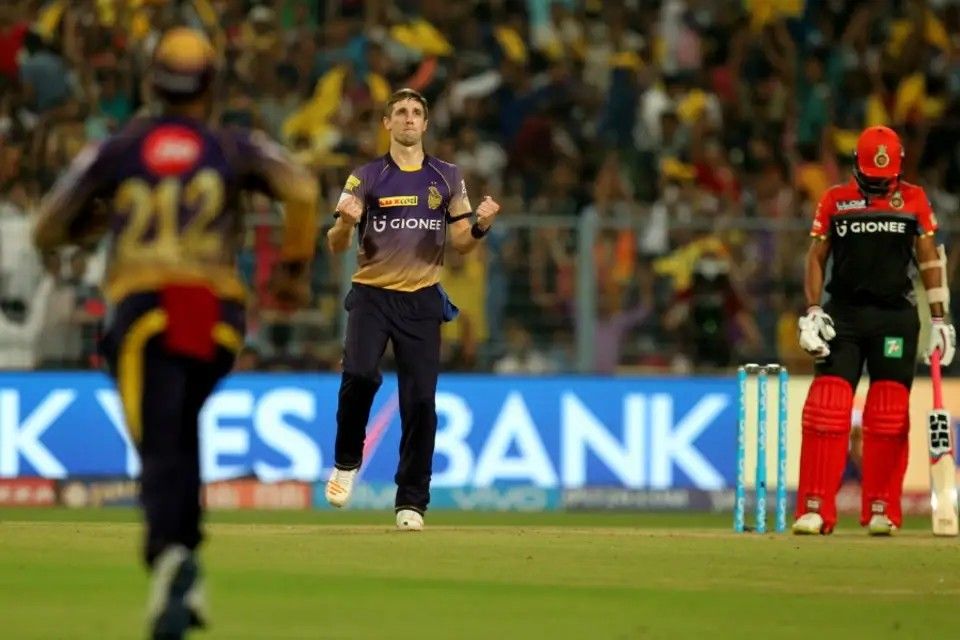
The Powerplay ended at 39/4, but the collapse was more severe in structure than numbers suggest: there was no partnership beyond 16 runs and no batter crossed 10 convincingly.
Chris Woakes delivered 3 for 6 in 2 overs with 10 dot balls, while de Grandhomme took 3 for 4 in 1.4 overs at 2.40 economy. The innings lasted only 59 minutes and never stabilized beyond 5.5 per over.
2. Rajasthan Royals – 58 vs RCB (2009, Cape Town)
Chasing 134, Rajasthan were 7/2 after three overs and 32/5 at the 10-over mark. They reached 50 only in 12.2 overs, and the run rate never crossed four at any stage.
Anil Kumble’s 5 for 5 in 3.1 overs included 14 dot balls and dismantled the middle order between overs 9 and 14.
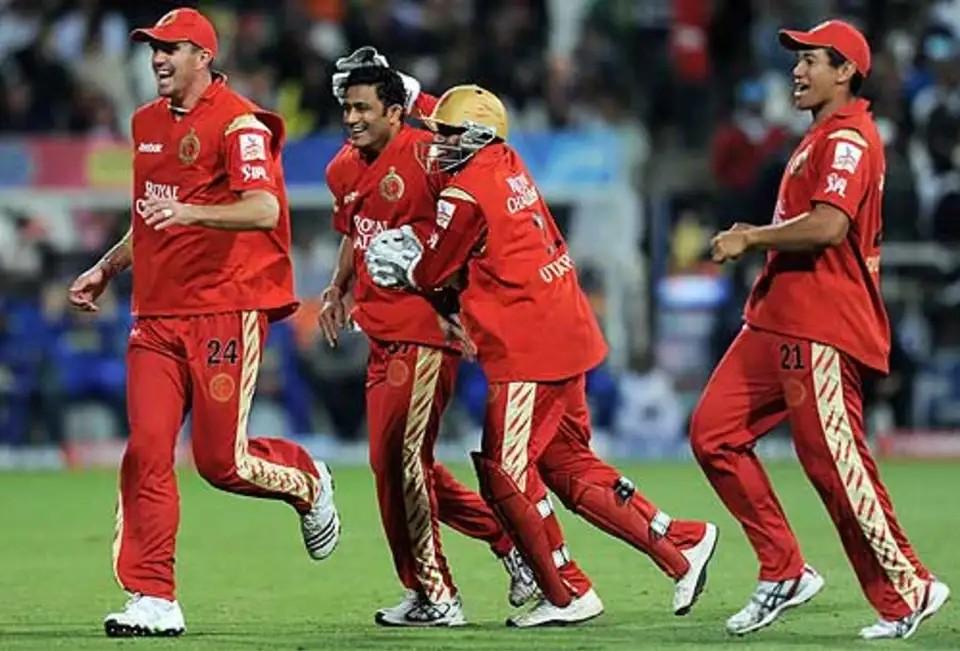
Praveen Kumar’s 2 for 7 at 2.33 economy ensured early pressure. This was not a rapid collapse but a sustained squeeze where scoring options were systematically removed.
3. Rajasthan Royals – 59 vs RCB (2023, Jaipur)
RR were 7/3 inside 1.4 overs while chasing 172, with Jaiswal and Buttler dismissed inside the first eight balls.
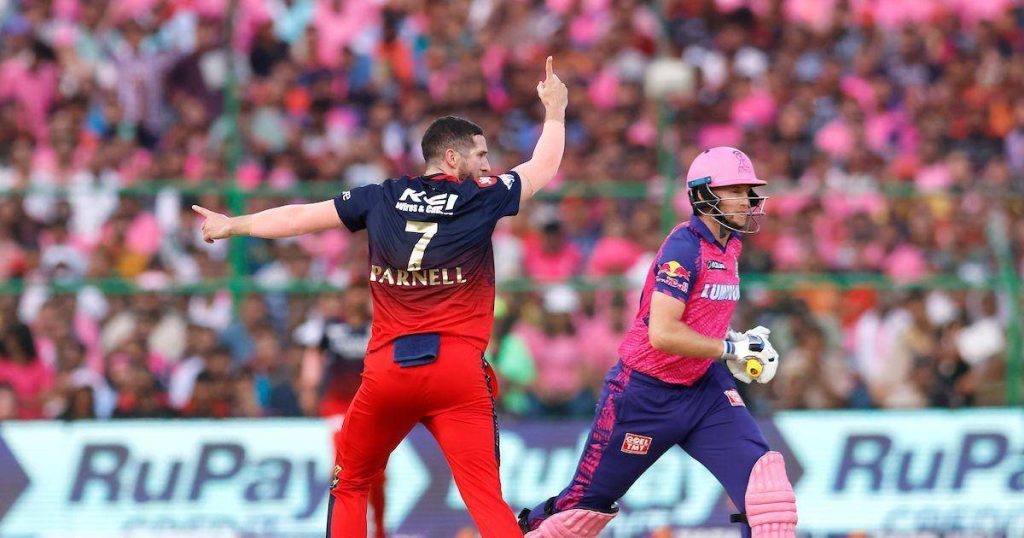
The Powerplay ended at 28/5, and by the 6.6-over mark, they were 31/6. Only Hetmyer counter attacked with 35 off 19 at 184.21 strike rate; the remaining top six contributed 19 runs combined.
Parnell’s 3 for 10 included 12 dot balls, and Bracewell controlled overs 4–7. The innings ended in 10.3 overs, a collapse defined by new-ball penetration rather than a middle-overs choke.
4. Delhi Daredevils – 66 vs MI (2017, Delhi)
Chasing 213, Delhi lost Samson on the first ball and were 35/5 at the end of the Powerplay. By 3.2 overs, three of the top four were back in the pavilion.
The scoreboard pressure from 212 magnified risk-taking, but the decisive phase was spin between overs 4 and 10.
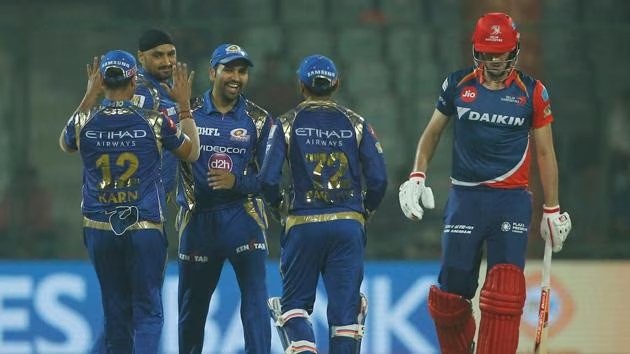
Harbhajan Singh claimed 3 for 22 with 15 dot balls, and Karn Sharma took 3 for 11 at 3.00 economy with 14 dots. The innings closed in 13.4 overs without a partnership exceeding 14 runs.
5. Delhi Daredevils – 67 vs Kings XI (2017, Mohali)
Batting first, Delhi were 7/2 by 2.5 overs and 30/5 by 7.4 overs. The Powerplay yielded only 25 runs for three wickets. No batter crossed 20; Corey Anderson’s 18 off 25 was the highest.
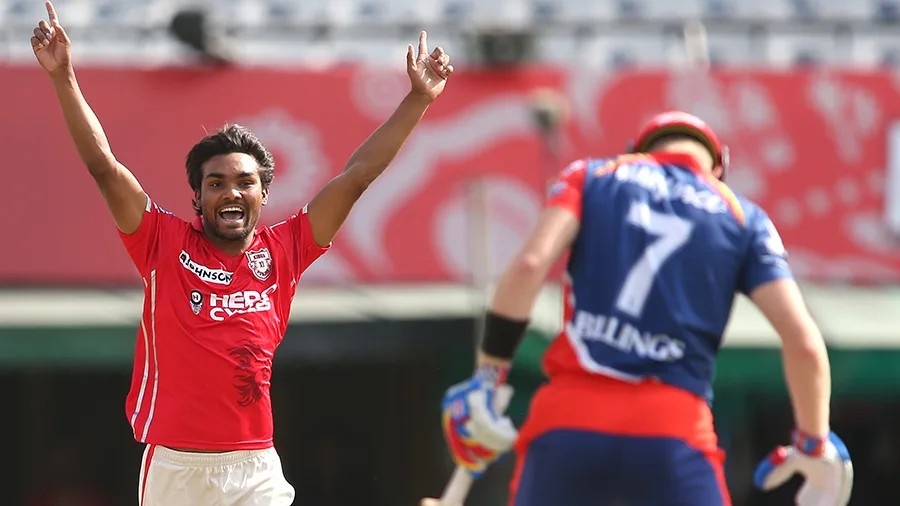
Sandeep Sharma’s 4 for 20 featured 14 dot balls, while Maxwell delivered 1 for 12 with 15 dots, slowing overs 6–14. The innings stretched to 17.1 overs, but at 3.90 per over, it reflected stagnation rather than sudden collapse.
6. KKR – 67 vs MI (2008, Mumbai)
KKR were 16/2 at 2.6 overs and 29/5 by 7.5 overs. They reached 50 only in 11.5 overs, and no batter crossed 20. Shaun Pollock’s 3 for 12 included 17 dot balls at 3.00 economy.
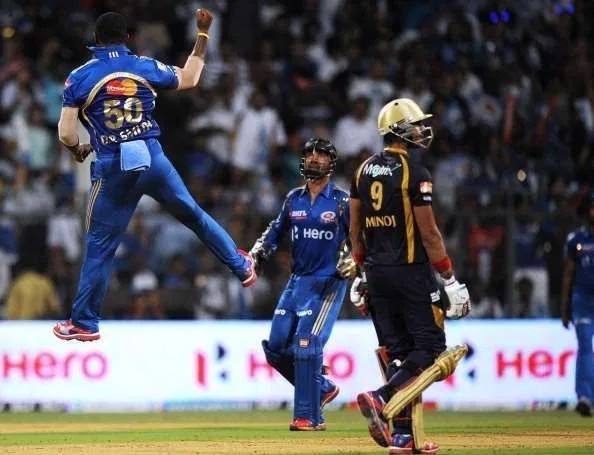
Bravo and Thornely combined for 4 wickets and 25 dot balls. The choke came through middle-phase accuracy rather than extreme pace, keeping scoring under 4.5 throughout.
7. RCB – 68 vs SRH (2022, Mumbai)
RCB were 5/3 in 1.3 overs and 20/4 by 4.2 overs. The Powerplay closed at 31/4, and 12 of the 68 runs came as extras. No batter crossed 15.
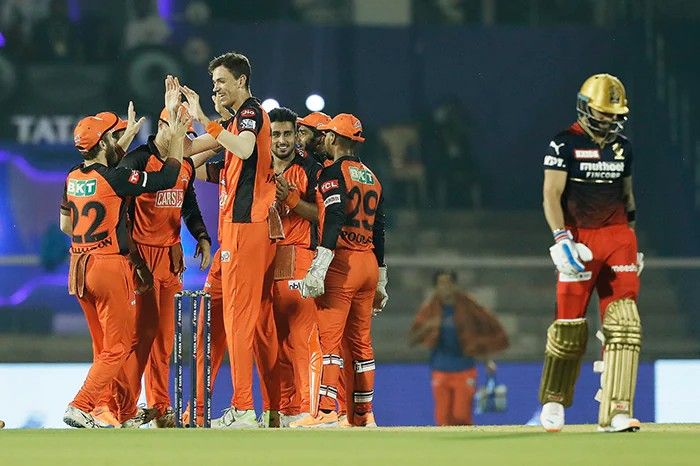
Umran Malik bowled 19 dot balls in four overs, while Natarajan returned 3 for 10 at 3.33 economy. Between overs 5 and 12, RCB added only 35 runs for five wickets. The innings ended in 16.1 overs without any recovery phase.
8. RCB – 70 vs CSK (2019, Chennai)
RCB were 33/2 in the Powerplay but lost five wickets between overs 7 and 14, scoring just 26 runs in that span. Parthiv Patel’s 29 off 35 was the only score above 20.
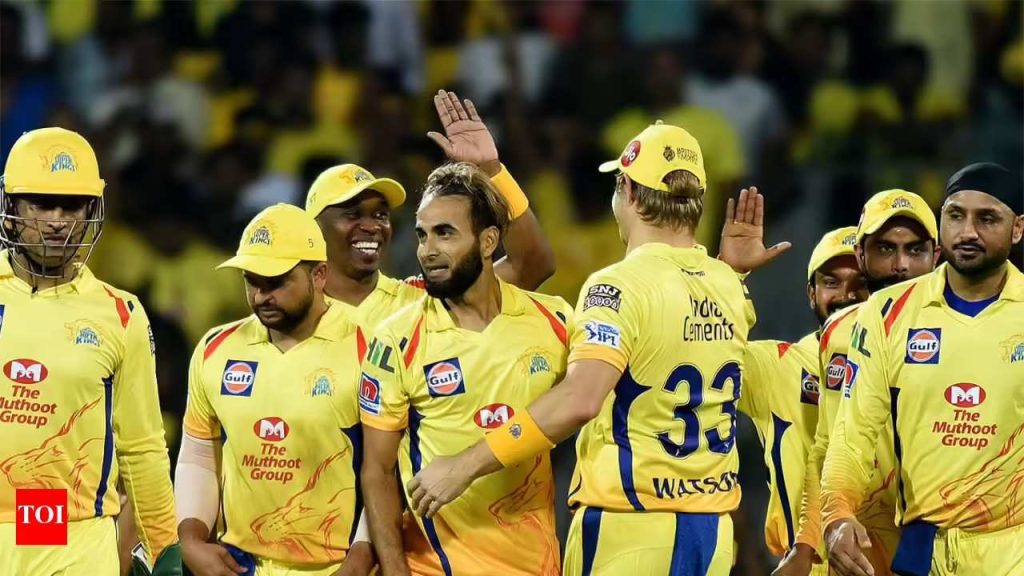
Imran Tahir’s 3 for 9 included 18 dot balls and a maiden. Jadeja and Harbhajan combined for five wickets with 28 dot balls between them. The collapse was spin-driven on a surface that rewarded length and control.
9. RCB – 70 vs RR (2014, Abu Dhabi)
RCB were 1/2 inside the first over and 5/4 by 2.2 overs. The Powerplay ended at 22/5, with the top five contributing 30 runs combined.
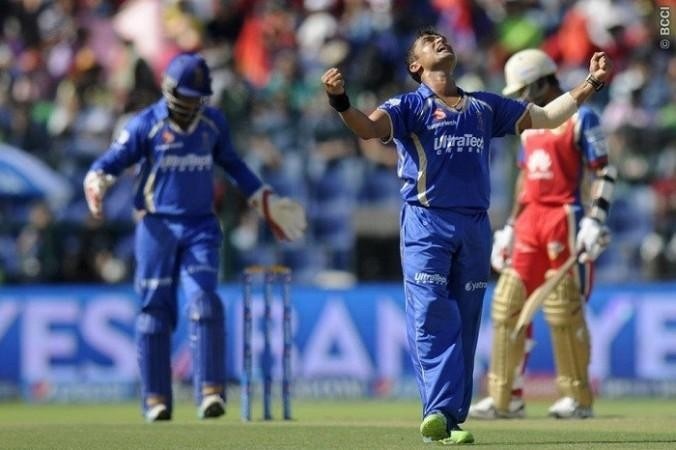
Pravin Tambe’s 4 for 20 included 14 dot balls, while Watson bowled a maiden in his two overs. The innings ended in 15 overs with no partnership exceeding 18, reflecting a collapse triggered in the first 15 balls.
10. Kings XI – 73 vs Supergiant (2017, Pune)
Kings XI lost Guptill on the first ball and were 32/5 by the end of the Powerplay. By 9.2 overs, they were 51/6.
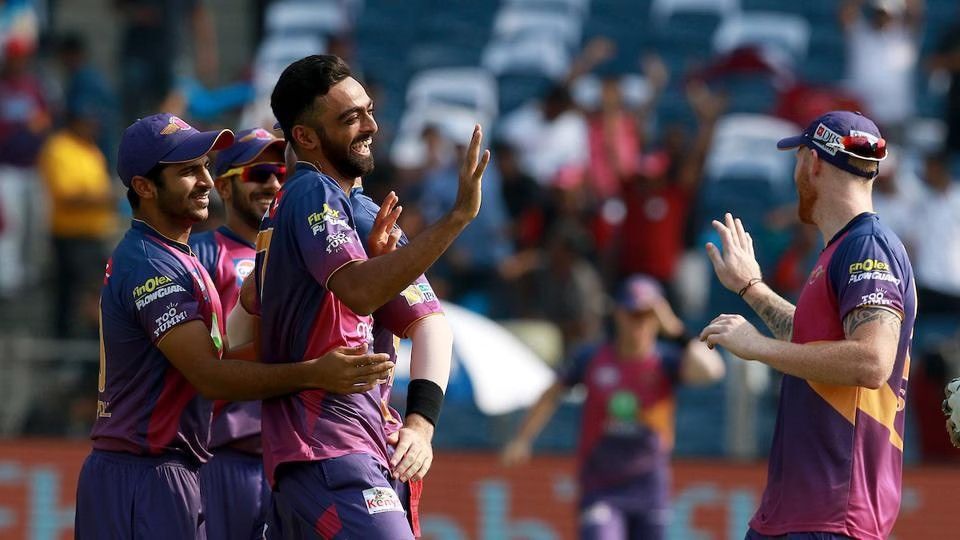
Axar Patel’s 22 was the only score above 20. Shardul Thakur delivered 3 for 19 with 16 dot balls, and Unadkat took 2 for 12, including 14 dots and a maiden. The innings closed in 15.5 overs, defined by early top-order removals and the absence of a stabilizing stand.
Suggested Reads:
Conclusion: Structural Collapse Defines IPL’s Lowest Totals
Royal Challengers Bengaluru’s 49 in 2017 remains the lowest total in IPL history.
The scorecards show that the lowest team totals are rarely caused by extraordinary targets. They are built through early wicket clusters, sustained dot-ball pressure, and middle-overs scoring rates below five.
When the top order falls inside 30 runs, the IPL’s margin for recovery becomes statistically negligible.