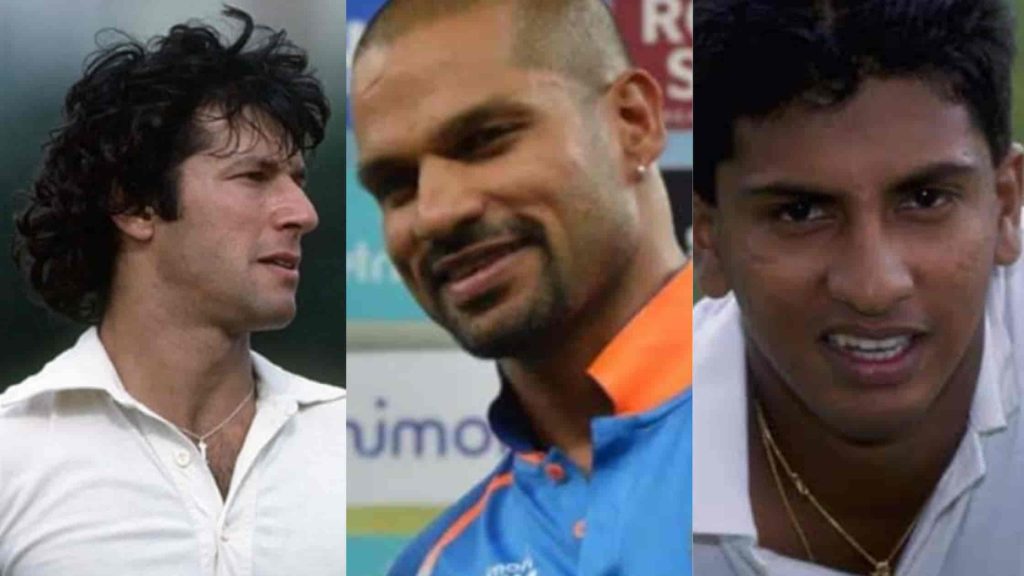
India’s 188 against Pakistan in Sharjah, 1984, remains the lowest total ever successfully defended in Asia Cup ODI history, a record that has now stood for over four decades, surviving through the era of flat pitches, powerplays, and 350-plus totals becoming routine.
But a scoreline alone doesn’t explain how five different teams pulled off similarly improbable defenses. This article looks at the bowlers and moments that actually made each of these low totals defendable.
Lowest Score Defended in Asia Cup ODI: Full List
Defending a low total takes exceptional bowling and teamwork. Here are the lowest scores successfully defended in Asia Cup ODI history and the memorable victories behind them.
| Team | Total | Against | Venue | Year |
|---|---|---|---|---|
| India | 188 | Pakistan | Sharjah | 1984 |
| Pakistan | 197 | Sri Lanka | Colombo (P. Sara Oval) | 1986 |
| Sri Lanka | 214 | India | Cuttack | 1990 |
| Bangladesh | 221 | Hong Kong | Colombo (SSC) | 2004 |
| Sri Lanka | 228 | India | Colombo (RPS) | 2004 |
Four of these five games happened before 2005, a detail worth sitting with, since it means no team has defended a total this low in an Asia Cup ODI in over 20 years, even as scoring rates have climbed across the format.
India’s 188 vs Pakistan, Sharjah 1984 — The Record That Has Never Been Broken
This was the inaugural Asia Cup, played as a round-robin between India, Pakistan, and Sri Lanka, with India’s win over Pakistan effectively deciding the title. India won by 54 runs, still the lowest total defended in tournament history.

Key players and their contributions:
- Surinder Khanna — India’s wicketkeeper-opener played the anchoring innings of the match, scoring 56 off 72 balls to give India a platform after a slow start. He was later named Player of the Match and finished as the tournament’s highest run-scorer.
- Sandeep Patil — Contributed a brisk 43 off 50 balls, adding the momentum India needed to reach a defendable total in a match reduced to 46 overs per side.
- Roger Binny — The medium-pacer was the standout bowler with figures of 3/33 in 9.4 overs, consistently finding movement and breaking Pakistan’s innings at crucial stages.
- Ravi Shastri — Matched Binny’s impact with 3/40 in 10 overs, and finished as the tournament’s leading wicket-taker with four scalps overall.
Pakistan’s 197 vs Sri Lanka, Colombo 1986 — Spin Trio Defends a Modest Total
Played in the group stage of the 1986 Asia Cup at the P. Sara Oval, this match saw Pakistan bowled out for a modest 197 in 45 overs, only for their bowlers to dismiss Sri Lanka for just 116, an 81-run win built almost entirely around disciplined spin bowling.
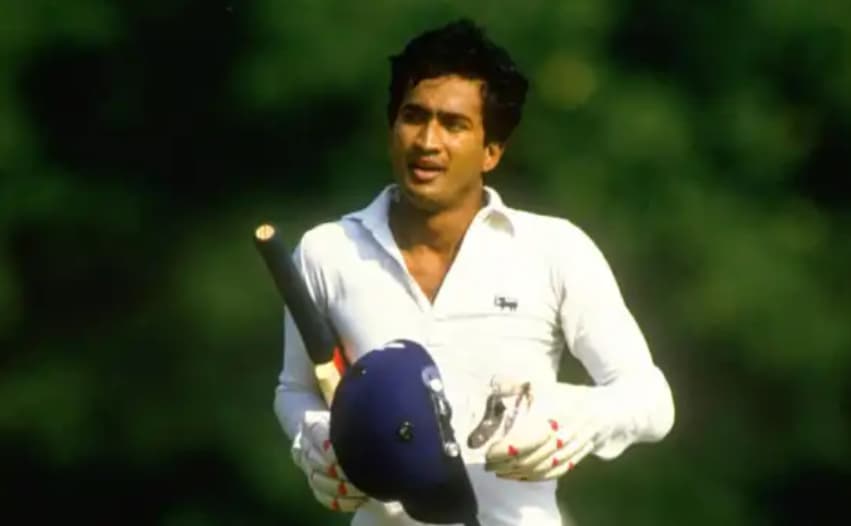
Key players and their contributions:
- Mohsin Khan — Top-scored for Pakistan with 39 off 46 balls, the only real resistance in an innings that otherwise struggled for momentum. He was named Player of the Match for anchoring the total.
- Abdul Qadir — The legendary leg-spinner was the pick of Pakistan’s bowlers, returning figures of 3/22 in 9 overs and unsettling Sri Lanka’s middle order.
- Manzoor Elahi — Chipped in with 3/24 in 7.5 overs, giving Pakistan a third strike bowler on a pitch that increasingly favored spin as the innings wore on.
- Zakir Khan — Completed the trio of three-wicket hauls with 3/34, meaning Pakistan had three different bowlers take three wickets apiece in the same innings.
- Brendon Kuruppu — Top-scored for Sri Lanka with 34, but found little support as the rest of the batting order folded around him.
Sri Lanka’s 214 vs India, Cuttack 1990 — A Result India Later Avenged
India had opened the 1990 tournament with a thumping nine-wicket win over Bangladesh and looked set to continue that form after bowling Sri Lanka out for 214. Instead, Sri Lanka’s own bowlers turned the tables, dismissing India for 178 and winning by 36 runs.
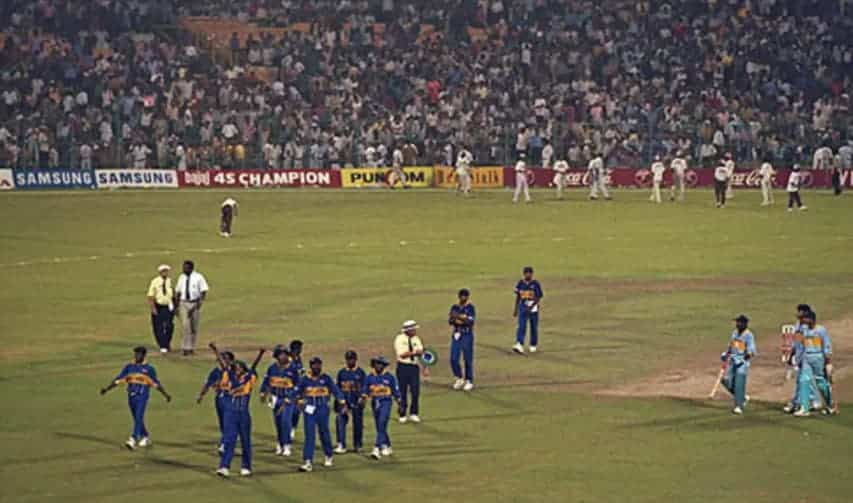
Key players and their contributions:
- Kapil Dev — Took 3 wickets for India with the ball, playing his part in restricting Sri Lanka to 214, though it wasn’t enough given India’s batting collapse that followed.
- Atul Wassan — Matched Kapil Dev’s effort with 3 wickets of his own, showing India’s seam attack had done its job with the ball.
- Mohammad Azharuddin — India’s captain top-scored in the chase with a fighting 40, but couldn’t find enough support to get his side over the line.
- Rumesh Ratnayake — The standout bowler for Sri Lanka, picking up 3 wickets to dismantle the Indian chase and secure the defense of a total many would have expected India to overhaul.
Notably, India got their revenge later in the same tournament, beating Sri Lanka in the final to win the title — a reminder that even a successful defense doesn’t always tell the full story of a tournament.
Bangladesh’s 221 vs Hong Kong, Colombo 2004 — A Middle-Order Collapse Saved by the Ball
Bangladesh looked set for a much bigger total after reaching 123/2, before a collapse to 147/5 pulled them back to a modest 221/9. Hong Kong, needing only a par chase, folded even more dramatically, bowled out for just 105.
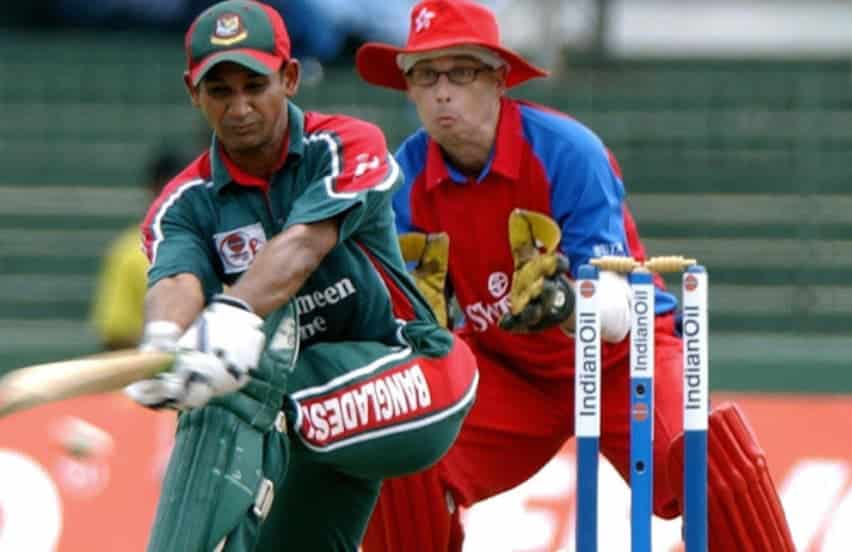
Key players and their contributions:
- Javed Omar — Top-scored for Bangladesh with a composed 68, the innings that ultimately made 221 a defendable total despite the middle-order wobble around him.
- Abdur Razzak — The left-arm spinner was the difference in the chase, taking 3 wickets for just 17 runs to choke off any hope of a Hong Kong recovery.
- Tabarak Dar — Hong Kong’s best individual effort came from Dar, whose 20 runs were still the highest score of the innings — a sign of just how comprehensively Bangladesh’s bowlers dominated.
Sri Lanka’s 228 vs India, Colombo 2004 — A Final Won With Bat and Ball in Equal Measure
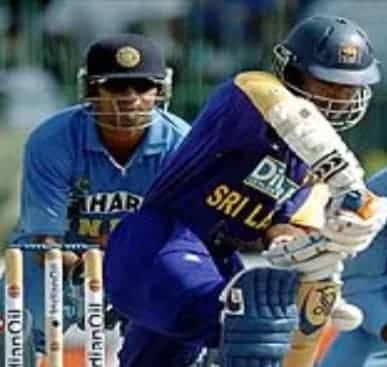
This is the most high-profile match on the list, the final of the 2004 Asia Cup, played in front of a star-studded Indian batting lineup that included Sachin Tendulkar, Sourav Ganguly, Rahul Dravid, and VVS Laxman. Sri Lanka’s 228/9 proved just enough, with India falling 25 runs short.
Key players and their contributions:
- Marvan Atapattu — Set the platform with 65, anchoring Sri Lanka’s innings after an early two-wickets-down start.
- Kumar Sangakkara — Partnered Atapattu in a crucial 116-run stand, contributing 53 before Virender Sehwag broke the partnership.
- Sachin Tendulkar — Remarkably involved on both sides of the result — he took 2/40 with the ball to peg back Sri Lanka’s total, then fought a lone battle with the bat, top-scoring for India with 74 in a losing cause.
- Virender Sehwag, Sourav Ganguly, VVS Laxman, Rahul Dravid — All fell cheaply in India’s chase, with India losing wickets steadily before Tendulkar’s rearguard effort fell just short.
Why These Totals Were Defendable: The Common Threads
Looking across all five matches, a few recurring patterns explain how teams managed to defend scores that would look distinctly under-par by today’s standards:
- Shorter formats in early editions: Two of the five matches (1984 and 1986) were played over 45 or 46 overs rather than a full 50, meaning the totals were relatively higher in run-rate terms than they first appear.
- New-ball and spin discipline over raw pace: Every one of these wins was built on tight, wicket-taking bowling — Binny and Shastri in 1984, a three-man spin trio in 1986, Abdur Razzak’s control in 2004 — rather than express pace or short-ball tactics.
- Early breakthroughs collapsing the chase: In four of the five matches, the chasing side lost early wickets that they never recovered from, turning a gettable target into a genuine collapse.
- Batting conditions that favored bowlers: Sharjah in the 1980s and Colombo across multiple decades have historically offered more assistance to bowlers than the flat, high-scoring pitches common in white-ball cricket today. It’s a very different pattern from the lowest team totals in Asia Cup ODI history overall, where sides like Sri Lanka in 2023 (50 all out) collapsed against a chasing team’s bowling rather than being defended against — a losing total rather than a defended one.
- One lone fighting innings in the chase: Three of the five defenses (1990, 2004 vs Hong Kong, 2004 final) saw one batter fight hard in the chase — Azharuddin’s 40, and most famously Tendulkar’s 74 — but without enough support from the other end.
Could a Score This Low Be Defended in Today’s Asia Cup?
This is the question most other articles on this topic don’t ask, and it’s arguably the most interesting one for a modern fan. With Powerplay rules, bigger bats, shorter boundaries, and batting depth deeper than ever, a total of 188–228 would be considered highly chaseable in the current era of Asia Cup cricket.
The fact that none of these records have been broken since 2004, and India’s mark has survived since 1984, says less about the bowling quality of those eras and more about how dramatically the balance between bat and ball has shifted since.
If a team defends a sub-230 total in a future Asia Cup ODI, it would arguably be a bigger bowling achievement than any of the five listed here.
Conclusion
These five results show that low-scoring wins in the Asia Cup have never been about one bowler doing everything, they’ve been built on tight bowling units, early breakthroughs, and batting collapses that turned gettable targets into genuine defenses.
With India’s 1984 record now over 40 years old and untouched since 2004, the next team to defend a total this low in an Asia Cup ODI will be doing something today’s flat-pitch, powerplay-driven cricket makes far harder than it once was.
FAQs
India’s 188 against Pakistan in Sharjah, 1984 — a record that has stood for over 40 years.
Roger Binny and Ravi Shastri, who took three wickets each to bowl Pakistan out for 134.
Yes — Sri Lanka defended 228/9 against India in the final, with Sachin Tendulkar’s 74 not being enough for India in the chase.
Modern conditions, bigger bats, and shorter boundaries have made totals in the 200s far easier to chase than they were in earlier tournament eras.