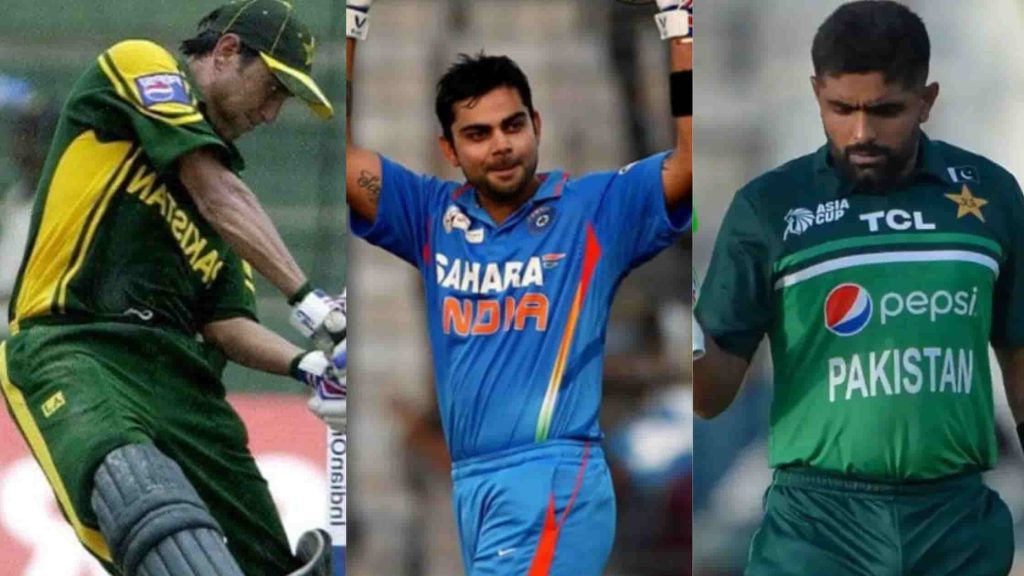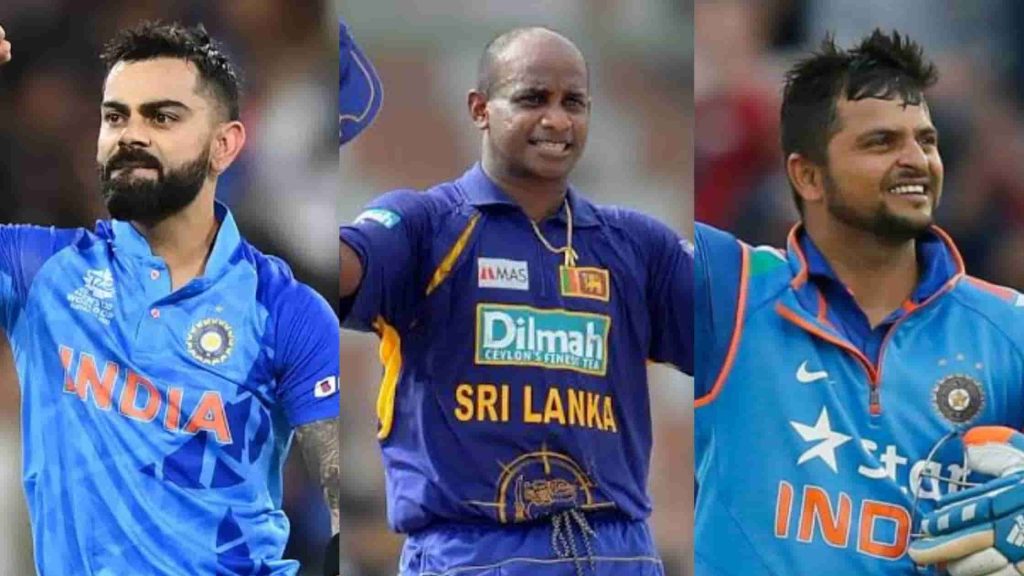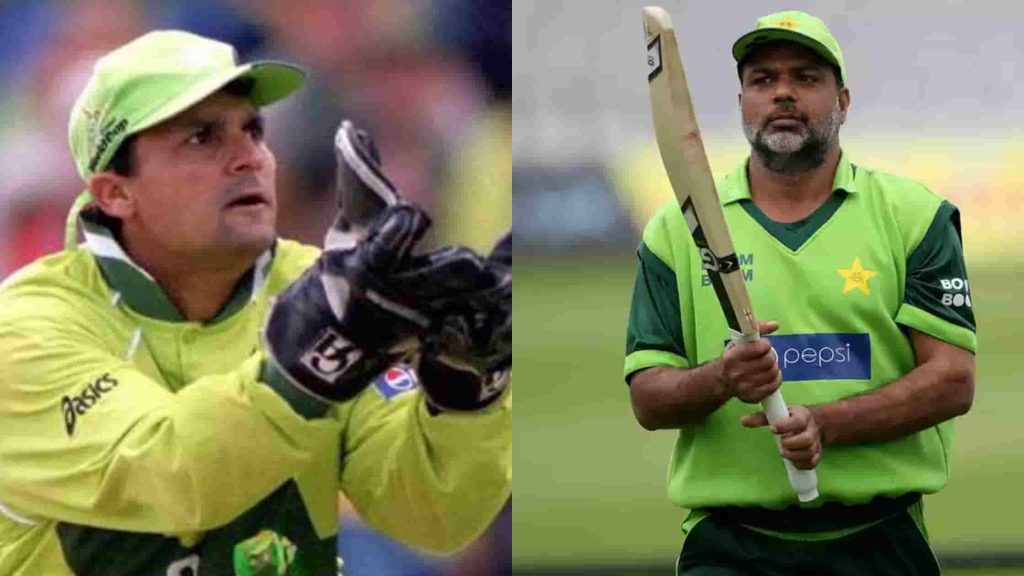
Virat Kohli holds the record for the highest individual score in Asia Cup ODI history with his stunning 183 off 148 balls against Pakistan at Mirpur in the 2012 edition.
Since the tournament began in 1984, several batters from across Asia have produced match-winning knocks on this stage. Consequently, the top 10 list features legends from India, Pakistan, Sri Lanka, and Bangladesh
Furthermore, this article covers each innings in detail, including strike rates, boundary counts, and match context. As a result, you will get the complete picture of every record-breaking knock.
Top 10 Highest Individual Scores in Asia Cup (ODI)
Here is the complete list of the top 10 highest individual scores in Asia Cup ODI matches.
| Sr.No. | Player | Runs | Balls | SR | 4s | 6s | Team | vs | Date |
| 1 | Virat Kohli | 183 | 148 | 123.64 | 22 | 1 | India | Pakistan | 18 Mar 2012 |
| 2 | Babar Azam | 151 | 131 | 115.26 | 14 | 4 | Pakistan | Nepal | 30 Aug 2023 |
| 3 | Younis Khan | 144 | 122 | 118.03 | 8 | 3 | Pakistan | Hong Kong | 18 Jul 2004 |
| 4 | Mushfiqur Rahim | 144 | 150 | 96.00 | 11 | 4 | Bangladesh | Sri Lanka | 15 Sep 2018 |
| 5 | Shoaib Malik | 143 | 127 | 112.59 | 18 | 1 | Pakistan | India | 25 Jul 2004 |
| 6 | Virat Kohli | 136 | 122 | 111.47 | 16 | 2 | India | Bangladesh | 26 Feb 2014 |
| 7 | Sourav Ganguly | 135* | 124 | 108.87 | 6 | 7 | India | Bangladesh | 30 May 2000 |
| 8 | Arjuna Ranatunga | 131* | 152 | 86.18 | 17 | 0 | Sri Lanka | India | 18 Jul 1997 |
| 9 | Sanath Jayasuriya | 130 | 132 | 98.48 | 14 | 1 | Sri Lanka | India | 27 Jul 2004 |
| 10 | Sanath Jayasuriya | 130 | 88 | 147.72 | 16 | 6 | Sri Lanka | Bangladesh | 30 Jun 2008 |
Note: Scores marked with * indicate not-out innings. Also, the list remains unchanged after the 2025 edition since that was a T20I tournament.
Detailed Breakdown of Each Record Innings
Numbers alone rarely tell the full story. Therefore, here is a closer look at the top 10 innings, including match context and key partnerships.
1. Virat Kohli: 183 vs Pakistan (Mirpur, 2012)
| Details | Info |
|---|---|
| Score | 183 (148 balls) |
| Strike Rate | 123.64 |
| Boundaries | 22 fours, 1 six |
| Venue | Sher-e-Bangla Stadium, Mirpur |
| Match Result | India won by 6 wickets (chasing 330) |
| ODI Number | 3263 |
This remains the highest individual score in Asia Cup history and also Virat Kohli’s career-best in ODIs.
Pakistan had posted a massive 329/6, with both openers Mohammad Hafeez (105) and Nasir Jamshed (112) scoring centuries.
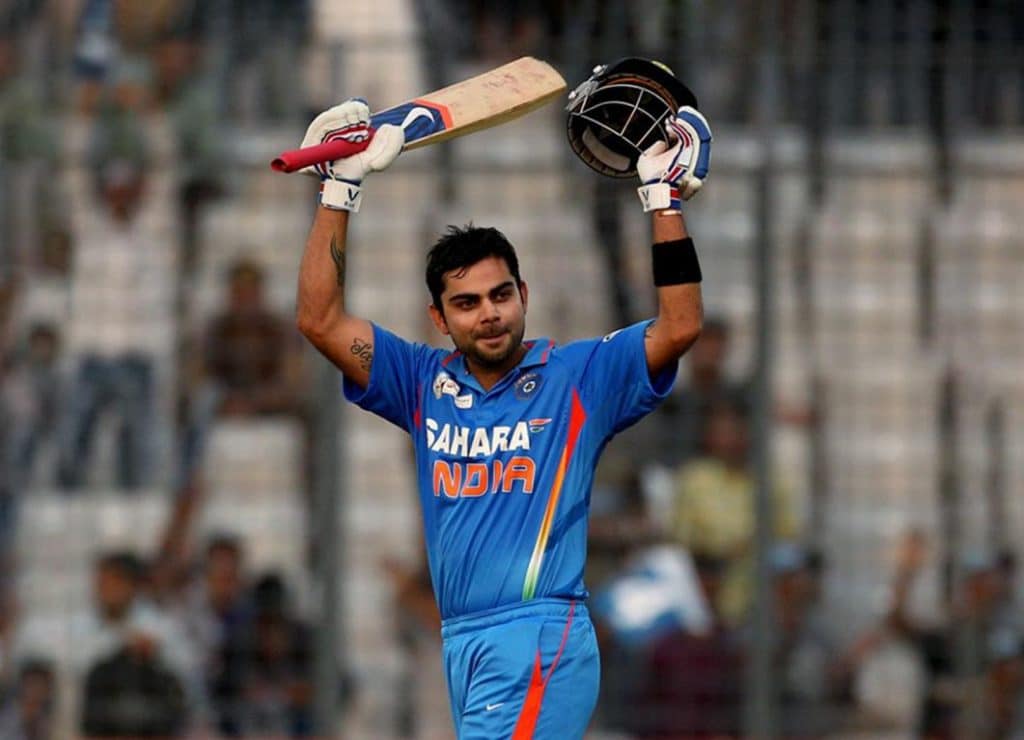
India lost Gautam Gambhir off the second ball of the chase. However, Kohli walked in and built a 133-run stand with Sachin Tendulkar (52).
Subsequently, he added 172 runs for the third wicket with Rohit Sharma (68). The then 23-year-old reached his century off just 97 balls.
Misbah-ul-Haq called it one of the best ODI innings he had ever seen. In addition, this knock cemented Kohli’s reputation as cricket’s greatest chaser.
2. Babar Azam: 151 vs Nepal (Multan, 2023)
| Details | Info |
|---|---|
| Score | 151 (131 balls) |
| Strike Rate | 115.26 |
| Boundaries | 14 fours, 4 sixes |
| Venue | Multan Cricket Stadium |
| Match Result | Pakistan won by 238 runs |
| ODI Number | 4628 |
Babar Azam scored the second-highest individual score in Asia Cup ODI history during the opening match of the 2023 edition.
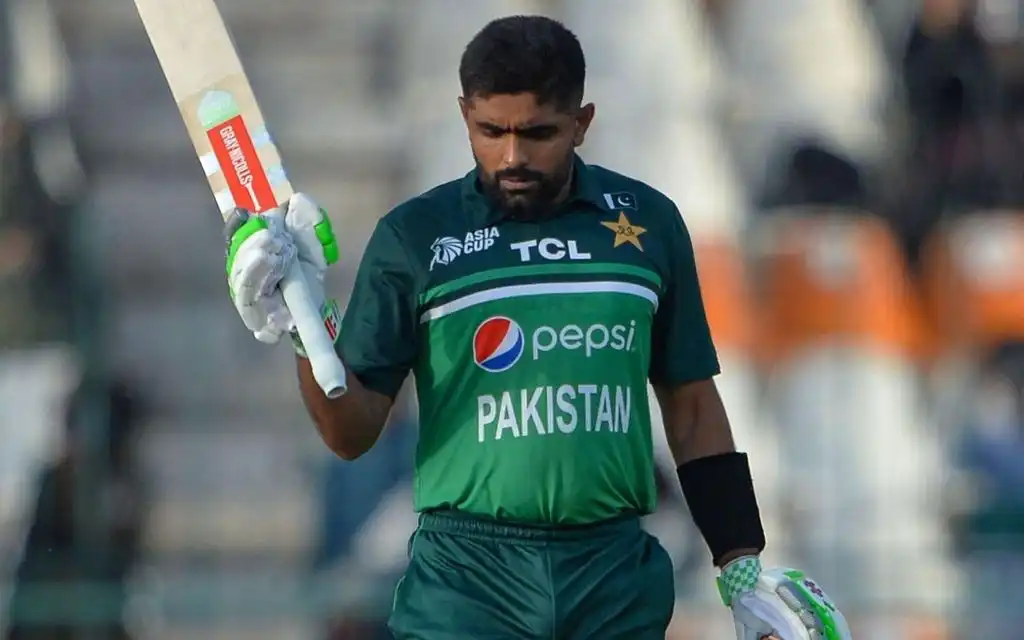
Pakistan were struggling at 124/4 on a two-paced Multan surface. Nevertheless, Babar anchored a 214-run fifth-wicket partnership with Iftikhar Ahmed (109*).
That partnership became Pakistan’s highest fifth-wicket stand in ODI history, breaking the previous record of 176.
Additionally, Babar’s 151 was the highest score by a captain in Asia Cup history, surpassing Kohli’s 136 against Bangladesh in 2014.
3. Younis Khan: 144 vs Hong Kong (Colombo, 2004)
| Details | Info |
|---|---|
| Score | 144 (122 balls) |
| Strike Rate | 118.03 |
| Boundaries | 8 fours, 3 sixes |
| Venue | Sinhalese Sports Club, Colombo |
| Match Result | Pakistan won by 173 runs (D/L) |
| ODI Number | 2147 |
Younis Khan produced his career-best ODI score during the 2004 Asia Cup against Hong Kong in Colombo.
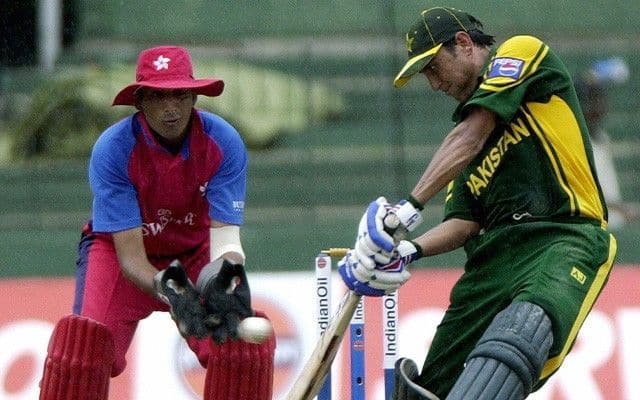
He shared a 223-run partnership with Shoaib Malik (118) for the third wicket. As a result, Pakistan posted a commanding 343/5 in the first innings.
Hong Kong were bundled out for 165, and Pakistan won by 173 runs via the D/L method due to rain. Notably, Younis hit just 8 fours and 3 sixes in his 144, relying heavily on placement and timing.
4. Mushfiqur Rahim: 144 vs Sri Lanka (Dubai, 2018)
| Details | Info |
|---|---|
| Score | 144 (150 balls) |
| Strike Rate | 96.00 |
| Boundaries | 11 fours, 4 sixes |
| Venue | Dubai International Cricket Stadium |
| Match Result | Bangladesh won by 137 runs |
| ODI Number | 4036 |
Mushfiqur Rahim’s 144 stands as the highest individual score by a Bangladeshi in Asia Cup ODI history.
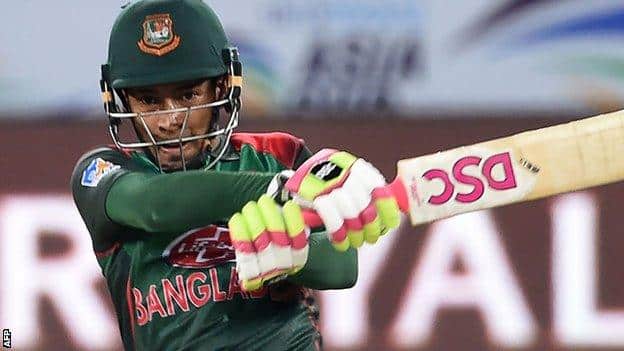
He anchored Bangladesh’s innings of 261 with a crucial 133-run partnership alongside Mohammad Mithun (63). Consequently, Bangladesh set a target that Sri Lanka never looked like chasing.
Sri Lanka collapsed to just 124 all out in 35.4 overs in reply. Therefore, Bangladesh recorded a dominant 137-run victory in the 2018 edition held in the UAE.
5. Shoaib Malik: 143 vs India (Colombo, 2004)
| Details | Info |
|---|---|
| Score | 143 (127 balls) |
| Strike Rate | 112.59 |
| Boundaries | 18 fours, 1 six |
| Venue | Rangiri Dambulla, Colombo (RPS) |
| Match Result | Pakistan won by 59 runs |
| ODI Number | 2152 |
Shoaib Malik produced his Asia Cup masterclass against India during the 2004 edition in Sri Lanka.
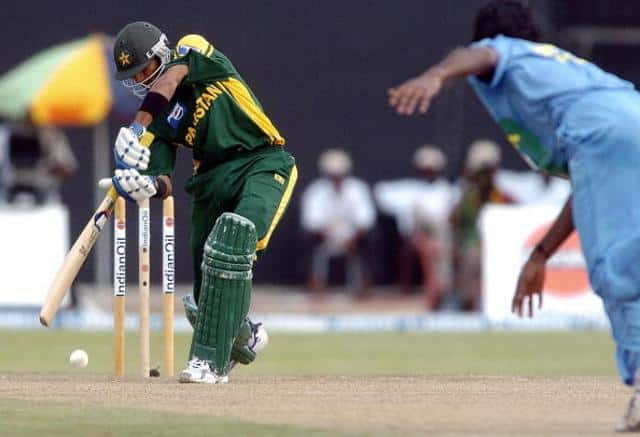
His 143 featured an impressive 18 fours, which shows just how frequently he pierced the field. Moreover, he maintained a strike rate above 112 throughout his innings.
Pakistan posted 300/9 on the back of his knock and then restricted India to 241 all out. As a result, Pakistan sealed a comfortable 59-run victory.
6. Virat Kohli: 136 vs Bangladesh (Fatullah, 2014)
| Details | Info |
|---|---|
| Score | 136 (122 balls) |
| Strike Rate | 111.47 |
| Boundaries | 16 fours, 2 sixes |
| Venue | Khan Shaheb Osman Ali Stadium, Fatullah |
| Match Result | India won by 6 wickets |
| ODI Number | 3474 |
Virat Kohli appears twice on this list, and his second entry came during the 2014 Asia Cup against Bangladesh.
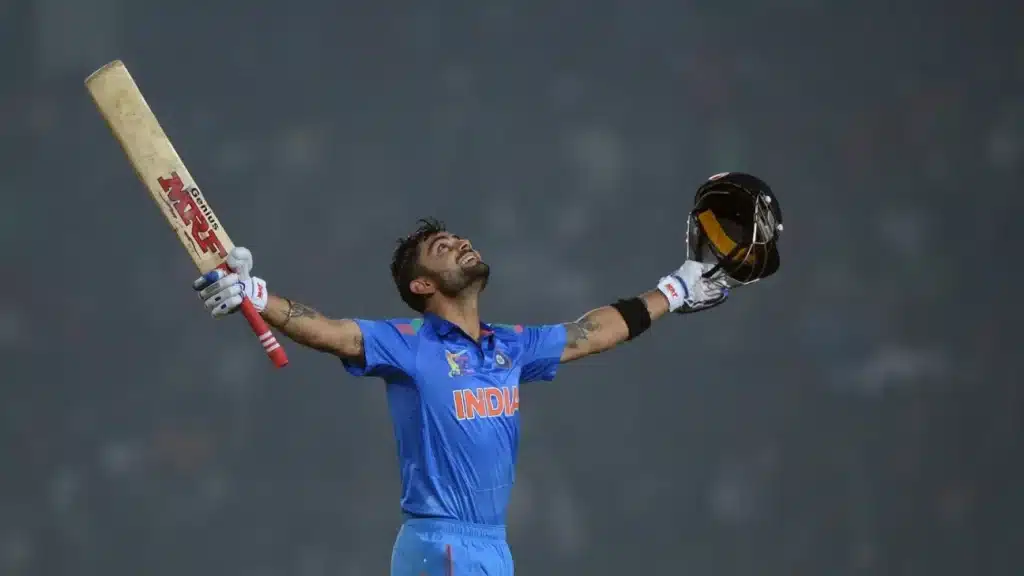
Bangladesh batted first and posted 279/7, with captain Mushfiqur Rahim scoring 114. In response, Kohli once again proved why the cricket world calls him the chasemaster.
He hit 16 fours and 2 sixes in his 136 off 122 balls. India successfully chased down the target with 6 wickets in hand, reinforcing Kohli’s dominance in run chases.
7. Sourav Ganguly: 135* vs Bangladesh (Dhaka, 2000)
| Details | Info |
|---|---|
| Score | 135* (124 balls) |
| Strike Rate | 108.87 |
| Boundaries | 6 fours, 7 sixes |
| Venue | Bangabandhu National Stadium, Dhaka |
| Match Result | India won by 8 wickets |
| ODI Number | 1597 |
Sourav Ganguly’s unbeaten 135 is one of only two not-out innings in this top 10 list.
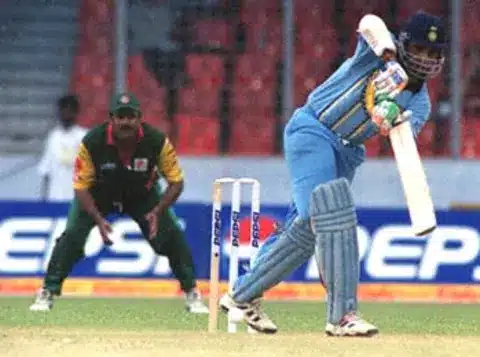
Playing against Bangladesh in the 2000 Asia Cup at Dhaka, Ganguly led the chase with authority. He smashed 7 sixes in his knock, which was the most in any innings on this list at that time.
India chased down Bangladesh’s 249/6 with 59 balls to spare. Consequently, the match turned into a one-sided affair, and Ganguly earned the Player of the Match award.
8. Arjuna Ranatunga: 131* vs India (Colombo, 1997)
| Details | Info |
|---|---|
| Score | 131* (152 balls) |
| Strike Rate | 86.18 |
| Boundaries | 17 fours, 0 sixes |
| Venue | Rangiri Dambulla, Colombo (RPS) |
| Match Result | Sri Lanka won |
| ODI Number | 1218 |
Arjuna Ranatunga’s unbeaten 131 remains the oldest innings in this top 10, dating back to the 1997 Asia Cup.
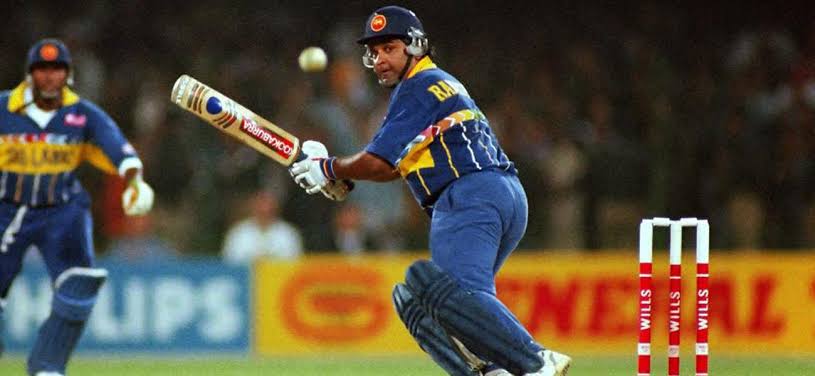
What stands out about this knock is its reliance on pure timing. Ranatunga hit 17 fours but zero sixes across 152 deliveries.
In comparison, his strike rate of 86.18 was significantly lower than the other entries on this list. However, his innings was highly effective, and Sri Lanka secured the win against India at Colombo.
9. Sanath Jayasuriya: 130 vs India (Colombo, 2004)
| Details | Info |
|---|---|
| Score | 130 (132 balls) |
| Strike Rate | 98.48 |
| Boundaries | 14 fours, 1 six |
| Venue | Rangiri Dambulla, Colombo (RPS) |
| ODI Number | 2153 |
Sanath Jayasuriya makes two appearances on this list, and his first came during the 2004 Asia Cup against India in Colombo.
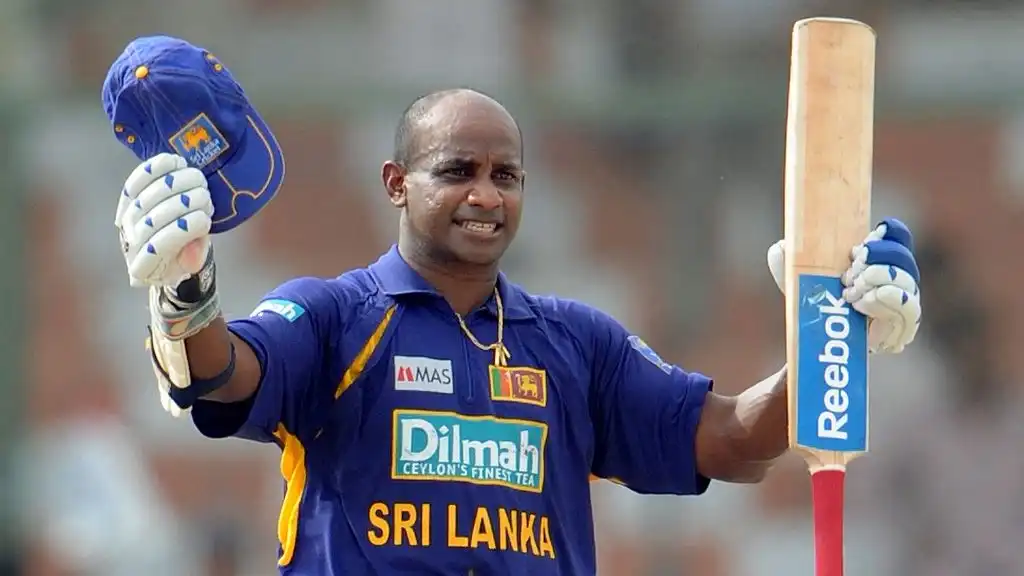
Unlike his usually explosive approach, Jayasuriya paced this innings more conservatively. He scored 130 off 132 balls at a strike rate just below 100.
Still, his knock provided the foundation for Sri Lanka’s innings during the 2004 edition, which was held entirely in Sri Lanka.
10. Sanath Jayasuriya: 130 vs Bangladesh (Karachi, 2008)
| Details | Info |
|---|---|
| Score | 130 (88 balls) |
| Strike Rate | 147.72 |
| Boundaries | 16 fours, 6 sixes |
| Venue | National Stadium, Karachi |
| Match Result | Sri Lanka won by 158 runs |
| ODI Number | 2726 |
While both Jayasuriya innings share the same score (130), they are completely different knocks.
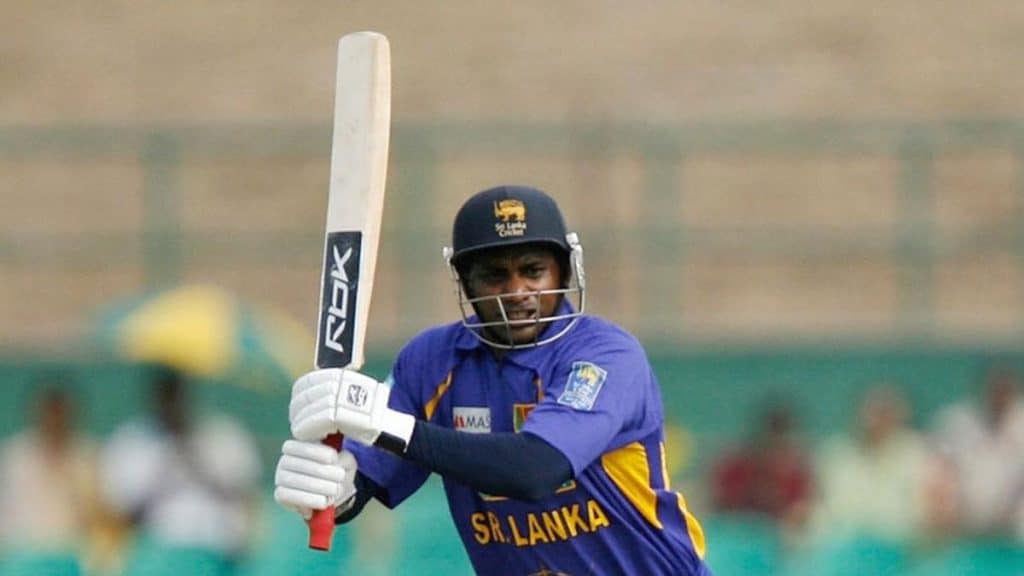
His 2008 innings against Bangladesh in Karachi came off just 88 balls, making it the fastest century on this top 10 list. He reached his hundred in just 55 deliveries.
Furthermore, a strike rate of 147.72 with 16 fours and 6 sixes was peak Jayasuriya. Sri Lanka went on to win that match by a massive 158 runs.
Interestingly, Jayasuriya also scored 125 in the 2008 Asia Cup final against India a few days later. Sri Lanka won that tournament, and his batting was a key reason.
Key Takeaways from the Top 10 List
Several patterns emerge when you study the highest individual scores in Asia Cup ODI history.
Country-Wise Breakdown
| Country | Entries in Top 10 | Players |
|---|---|---|
| India | 3 | Kohli (2), Ganguly (1) |
| Pakistan | 3 | Babar, Younis, Shoaib Malik |
| Sri Lanka | 3 | Jayasuriya (2), Ranatunga (1) |
| Bangladesh | 1 | Mushfiqur Rahim |
India, Pakistan, and Sri Lanka each have three entries in the top 10. Meanwhile, Bangladesh has one through Mushfiqur Rahim’s 144 in Dubai.
Players With Multiple Entries
Only two players appear more than once on this list:
- Virat Kohli (183 and 136): Both innings came in successful run chases, which is a signature of his ODI career.
- Sanath Jayasuriya (130 and 130): Both scored in different editions (2004 and 2008) with very different approaches.
Notable Stats and Records
- Highest strike rate: Jayasuriya’s 147.72 (130 off 88 balls) against Bangladesh in 2008 is the fastest knock in this top 10.
- Lowest strike rate: Ranatunga’s 86.18 (131* off 152) against India in 1997 is the slowest, yet it remains an unbeaten effort.
- Most boundaries in an innings: Kohli’s 183 included 22 fours and 1 six (23 boundaries total), which is the most on this list.
- Only not-out innings: Ganguly (135*) and Ranatunga (131*) are the only two unbeaten knocks in the top 10.
- Oldest record on the list: Ranatunga’s 131* from July 1997 has held its spot for nearly 29 years.
Why the 2004 Asia Cup Produced So Many Big Scores
Three of the top 10 highest individual scores in Asia Cup ODI history came from the 2004 edition alone.
Younis Khan (144), Shoaib Malik (143), and Jayasuriya (130) all scored in Sri Lanka during that tournament. The pitches in Colombo were batting-friendly, and conditions favored stroke-makers.
In fact, the 2004 edition was the last time three separate 130+ scores came from a single Asia Cup. No other edition has matched that record since.
Has the Asia Cup ODI Scoring Record Been Challenged Since 2023?
No, it has not been challenged. Because the 2025 Asia Cup was played in the T20I format in the UAE, it does not affect these ODI records.
In fact, the last ODI edition was the 2023 Asia Cup, where Babar Azam’s 151 was the only addition to the top 10. Before that, no new entry had been made since Mushfiqur Rahim’s 144 in 2018.
Since the Asia Cup alternates between ODI and T20I formats, the next ODI edition is expected in 2027. Therefore, Kohli’s record of 183 is safe for at least another year.
Conclusion: Kohli’s 183 Remains the Gold Standard
Virat Kohli’s 183 vs Pakistan at Mirpur in 2012 continues to be the highest individual score in Asia Cup ODI history.
With the next ODI edition likely in 2027, no active batter has had a chance to challenge it recently. However, players like Babar Azam and Shubman Gill could potentially rewrite this record when the format returns.
Until then, the top 10 list remains a showcase of Asian cricket’s finest batting moments across three decades.