Iqbal Qasim holds the best economy rate in Asia Cup ODI history at a stunning 1.44 runs per over, a record that has stood since the 1988 Asia Cup.
The Asia Cup has been one of continental cricket’s most fiercely contested tournaments since 1984. Across 15 ODI editions, tight bowling spells have often decided matches between heavyweights like India, Pakistan, and Sri Lanka.
This article ranks the top 10 bowlers with the best career economy rates in Asia Cup ODIs, based on official records from ESPNcricinfo. Each entry breaks down the numbers and the context behind the performance.
Top 10 Best Economy Rates in Asia Cup ODI History
Here is the complete list of bowlers with the lowest career economy rates in Asia Cup ODIs, sorted from best to tenth.
| Rank | Player | Span | Mat | Overs | Mdns | Runs | Wkts | BBI | Ave | Econ |
| 1 | Iqbal Qasim (PAK) | 1988 | 1 | 9.0 | 3 | 13 | 3 | 3/13 | 4.33 | 1.44 |
| 2 | Imran Khan (PAK) | 1986 | 3 | 12.0 | 3 | 23 | 3 | 2/11 | 7.66 | 1.91 |
| 3 | Charith Asalanka (SL) | 2023 | 6 | 9.1 | 1 | 19 | 4 | 4/18 | 4.75 | 2.07 |
| 4 | Madan Lal (IND) | 1984 | 2 | 14.0 | 3 | 32 | 3 | 3/11 | 10.66 | 2.28 |
| 5 | Tauseef Ahmed (PAK) | 1988 | 3 | 26.0 | 2 | 60 | 0 | – | – | 2.30 |
| 6 | Amit Mishra (IND) | 2014 | 2 | 20.0 | 1 | 49 | 3 | 2/28 | 16.33 | 2.45 |
| 7 | SHU Karnain (SL) | 1984-1988 | 4 | 9.0 | 1 | 23 | 1 | 1/19 | 23.00 | 2.55 |
| 8 | Chetan Sharma (IND) | 1984 | 2 | 15.0 | 1 | 40 | 3 | 3/22 | 13.33 | 2.66 |
| 9 | Shahid Mahboob (PAK) | 1984 | 2 | 19.0 | 2 | 53 | 1 | 1/23 | 53.00 | 2.78 |
| 10 | Aaqib Javed (PAK) | 1995-1997 | 5 | 35.5 | 4 | 103 | 8 | 5/19 | 12.87 | 2.87 |
Player-by-Player Breakdown of the Top 10
Here is Player wise Breakdown of Records:
1. Iqbal Qasim (Pakistan) – Economy: 1.44
Iqbal Qasim sits at the very top of this list with an almost unbelievable economy rate of 1.44 runs per over in Asia Cup ODIs.
He played just one match during the 1988 Asia Cup in Bangladesh, but made it count. In that game, he bowled 9 overs, conceded only 13 runs, and picked up 3 wickets for 13 runs.
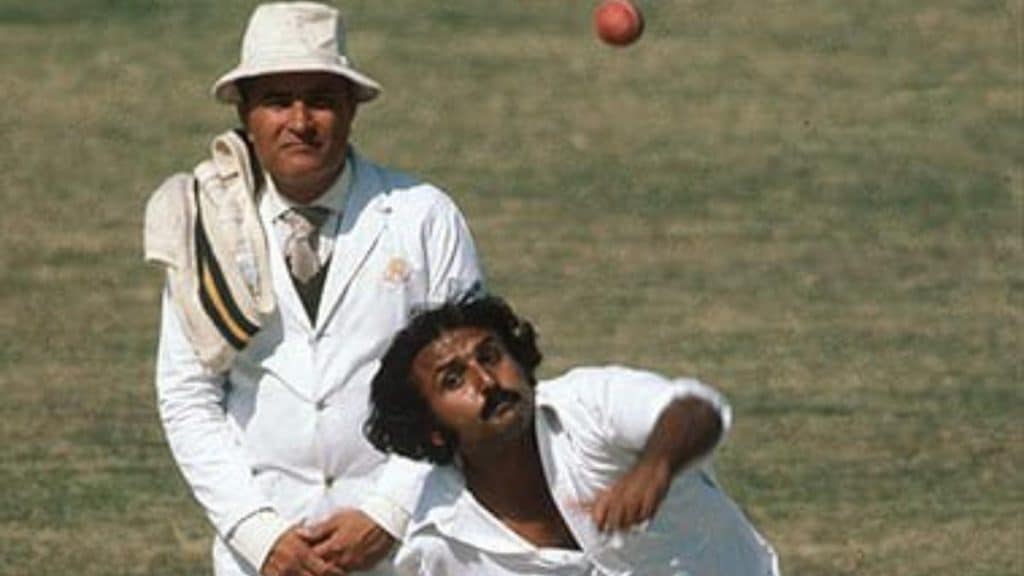
Qasim was a slow left-arm orthodox spinner known for his incredible accuracy. His Test economy rate was just 2.21, so his tightness in ODIs at the Asia Cup shouldn’t surprise anyone.
He ended his career with 999 first-class wickets, one short of the 1,000-wicket milestone, a quirky record that cricket historians love to mention.
2. Imran Khan (Pakistan) – Economy: 1.91
Imran Khan, Pakistan’s greatest all-rounder, holds the second-best economy rate in Asia Cup ODIs at 1.91.
He played three matches during the 1986 Asia Cup in Sri Lanka, bowling 12 overs for just 23 runs with 3 maidens. His best figures in the tournament were 2/11.
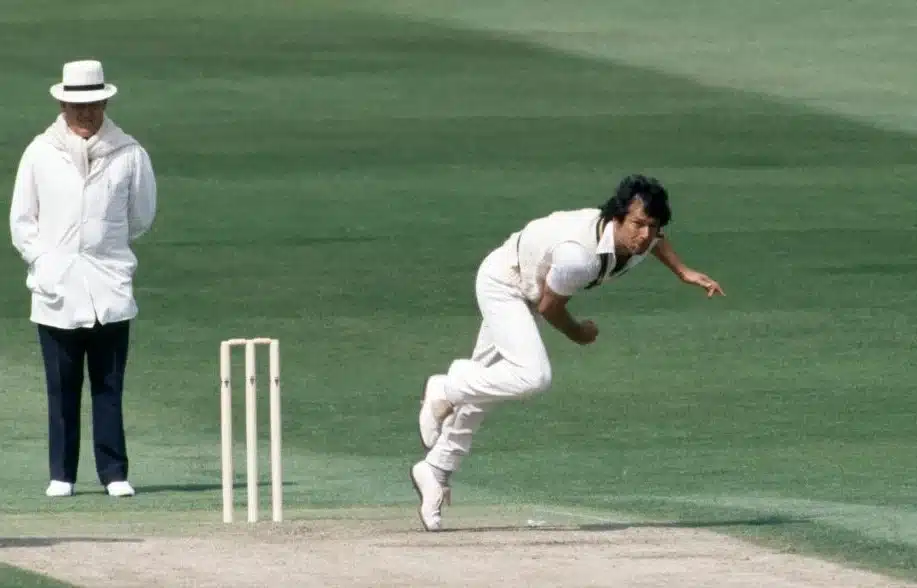
As a right-arm fast bowler who mastered both conventional and reverse swing, Imran’s control was extraordinary for a pacer. His overall ODI career economy rate of 3.89 was among the best for fast bowlers of his era.
He later captained Pakistan to the 1992 Cricket World Cup title, cementing his legacy as one of cricket’s all-time greats.
3. Charith Asalanka (Sri Lanka) – Economy: 2.07
Charith Asalanka is the only modern-era bowler on this list, and the fact that he’s third speaks volumes about his Asia Cup 2023 performance.
Across 6 matches in the 2023 edition, Asalanka bowled 9.1 overs as a part-time off-spinner and returned 4 wickets at an economy of 2.07.
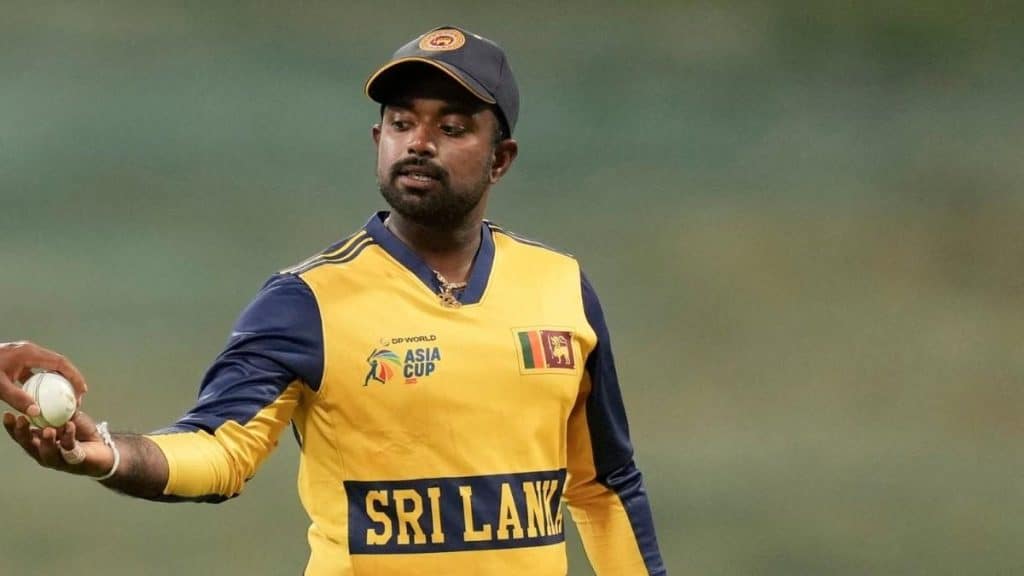
His standout spell came against India in a Super Four match, where he took 4/18 to rip through the Indian batting lineup. Alongside Dunith Wellalage (5/40), the spin duo bowled India out for 213.
Asalanka is primarily a left-handed batter and currently serves as Sri Lanka’s ODI captain. The fact that a part-timer owns the third-best economy rate in Asia Cup history tells you exactly how effective he was on those Colombo pitches.
4. Madan Lal (India) – Economy: 2.28
Madan Lal was part of India’s squad at the inaugural Asia Cup in 1984 in Sharjah. He bowled 14 overs across two matches, gave away just 32 runs, and took 3 wickets.

His best figures of 3/11 are the best bowling figures by an Indian in Asia Cup history within this top 10. Madan Lal was a medium-fast bowler who relied on seam movement and accuracy rather than raw pace.
He had already played a key role in India’s 1983 Cricket World Cup victory, famously dismissing Vivian Richards in the final. His tight bowling at the 1984 Asia Cup was consistent with his reputation as a bowler who rarely wasted deliveries.
5. Tauseef Ahmed (Pakistan) – Economy: 2.30
Tauseef Ahmed turned in the most disciplined bowling performance in this top 10 by one measure: he bowled 26 overs across three matches at the 1988 Asia Cup and conceded just 60 runs at an economy of 2.30.
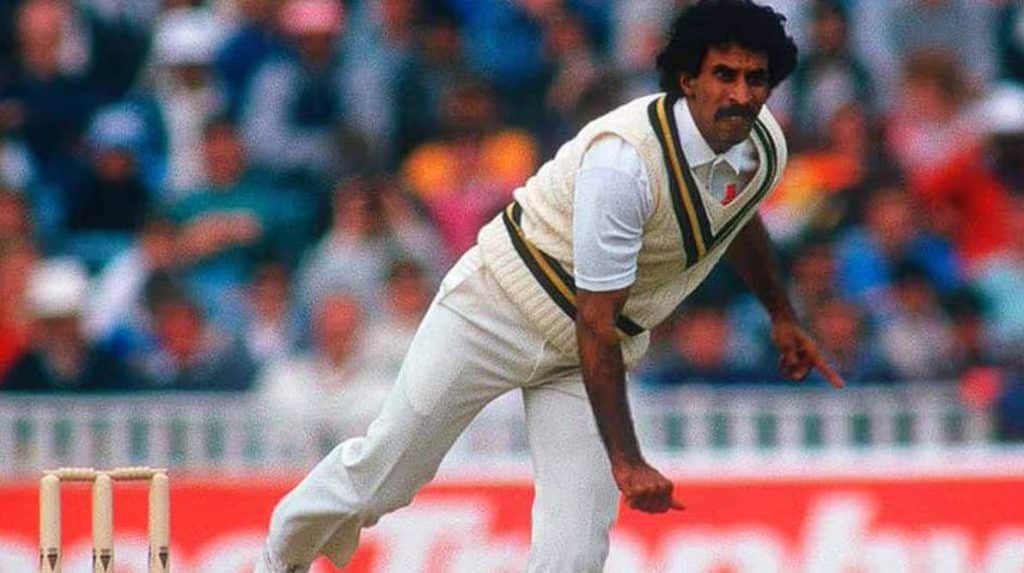
The catch? He took zero wickets. That makes his record unique on this list. Tauseef was a right-arm off-spinner who partnered with Iqbal Qasim in Pakistan’s spin attack during the 1980s.
He is best remembered for the famous 1987 Bangalore Test against India, where he and Qasim bowled nearly 83 overs between them to secure Pakistan’s first-ever Test series win on Indian soil. In the Asia Cup, his role was clearly to contain rather than attack.
6. Amit Mishra (India) – Economy: 2.45
Amit Mishra featured in the 2014 Asia Cup held in Bangladesh. He bowled 20 overs across two matches, conceding 49 runs and taking 3 wickets.
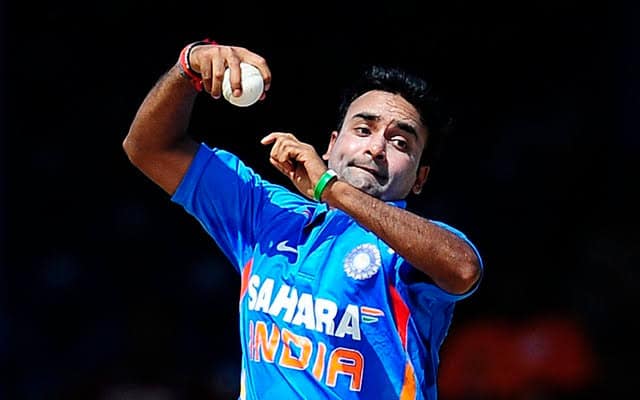
His best spell of 2/28 against Pakistan from 10 overs was one of the most economical bowling performances at that tournament. Mishra’s classical right-arm leg-spin troubled batters with flight and sharp turn.
He was the same bowler who took 18 wickets in a 5-match ODI series against Zimbabwe in 2013, matching Javagal Srinath’s world record for the most wickets in a bilateral ODI series. Mishra retired from all formats of cricket in September 2025.
7. SHU Karnain (Sri Lanka) – Economy: 2.55
SHU Karnain is one of the lesser-known names on this list. The Sri Lankan represented his country across 4 Asia Cup matches spanning from 1984 to 1988.

In those four games, he bowled just 9 overs, conceding 23 runs with 1 wicket. His economy of 2.55 reflects the kind of disciplined, tight bowling that was common in the early Asia Cup editions.
Small sample size aside, Karnain’s record shows that even in limited opportunities, maintaining control can earn you a spot in the history books.
8. Chetan Sharma (India) – Economy: 2.66
Chetan Sharma played two matches at the 1984 Asia Cup, the tournament’s inaugural edition in Sharjah. He bowled 15 overs, conceded 40 runs, and took 3 wickets with a best of 3/22.
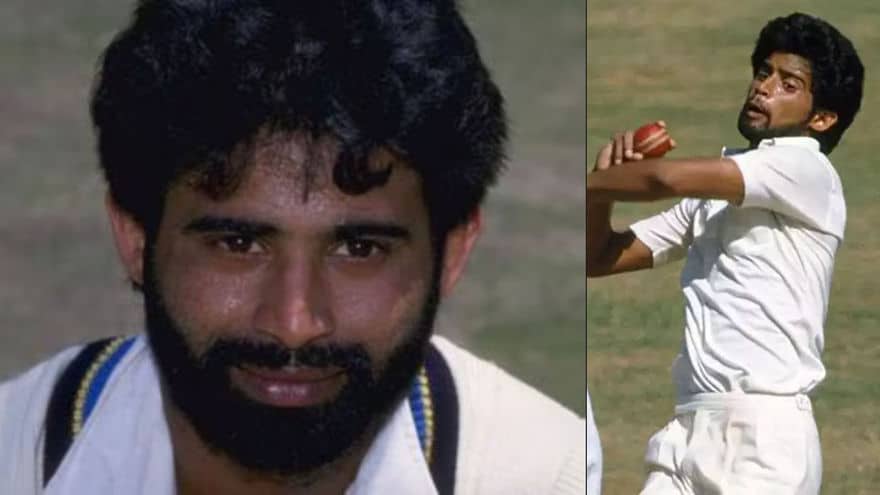
Sharma was a right-arm medium-fast bowler who could swing the ball both ways. He’s more widely remembered for becoming the first bowler to take a hat-trick in a Cricket World Cup (against New Zealand in 1987).
At the 1984 Asia Cup, India won the tournament under Sunil Gavaskar, and Sharma’s tight new-ball spells contributed to that title run.
9. Shahid Mahboob (Pakistan) – Economy: 2.78
Shahid Mahboob played two matches at the 1984 Asia Cup, bowling 19 overs for 53 runs with just 1 wicket.
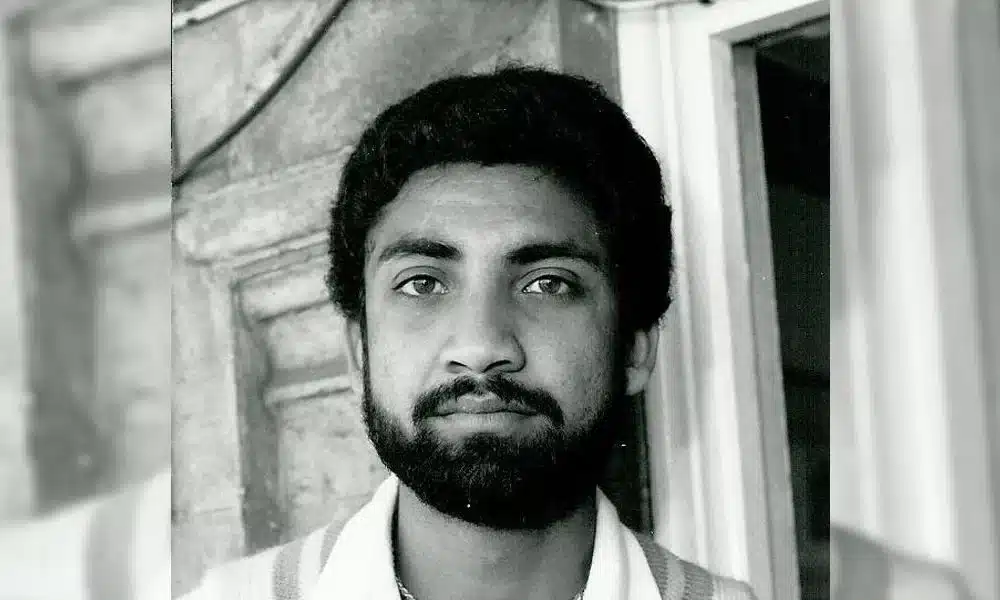
Like Tauseef Ahmed, Mahboob was more of a containing bowler than a strike weapon in Asia Cup ODIs. His economy of 2.78 was outstanding for a tournament where other bowlers were going at much higher rates.
He was a right-arm medium-fast bowler who played for Pakistan during the early-to-mid 1980s. While not a household name globally, his tight Asia Cup figures have kept him in the all-time records.
10. Aaqib Javed (Pakistan) – Economy: 2.87
Aaqib Javed rounds off this top 10 with the most complete body of work on the list. He played 5 Asia Cup matches between 1995 and 1997, bowling 35.5 overs and taking 8 wickets at 2.87 runs per over.
He is also the only bowler in this top 10 to take a 5-wicket haul, with his best figures of 5/19 standing as a genuinely match-winning performance.

Aaqib was a right-arm fast-medium bowler who mastered both conventional and reverse swing. He was a key member of the 1992 Cricket World Cup-winning Pakistan team and played 163 ODIs for his country.
After retirement, he served as a coach for several teams, including Pakistan’s Under-19 side and the UAE national team. As of 2025, he was appointed as the PCB’s Director of High Performance.
Quick Facts: Asia Cup ODI Economy Rate Records
Here is a summary of the key takeaways from the top 10 economy rate records in Asia Cup ODI history.
| Category | Details |
| Best Economy Rate (Overall) | 1.44 – Iqbal Qasim (PAK) |
| Best Economy Rate (India) | 2.28 – Madan Lal |
| Best Economy Rate (Sri Lanka) | 2.07 – Charith Asalanka |
| Most Economical Pacer in Top 10 | 1.91 – Imran Khan (PAK) |
| Only 5-Wicket Haul in Top 10 | 5/19 – Aaqib Javed (PAK) |
| Most Matches in Top 10 | 6 – Charith Asalanka (SL) |
| Most Overs Bowled in Top 10 | 35.5 – Aaqib Javed (PAK) |
Country-Wise Breakdown
The distribution of the top 10 best economy rates in Asia Cup ODIs leans heavily toward one country.
| Country | Players in Top 10 | Best Economy | Best Bowler |
| Pakistan | 5 | 1.44 | Iqbal Qasim |
| India | 3 | 2.28 | Madan Lal |
| Sri Lanka | 2 | 2.07 | Charith Asalanka |
Pakistan leads this list with five bowlers, which is half the top 10. That dominance isn’t accidental. Pakistani spinners and seamers during the 1980s and 1990s were among the most disciplined in world cricket.
India has three entries through Madan Lal, Amit Mishra, and Chetan Sharma. Meanwhile, Sri Lanka contributes two names: Charith Asalanka and SHU Karnain.
Bangladesh and Afghanistan have no representatives in this top 10. That’s partly because both teams entered the Asia Cup relatively late and have typically fielded batting-heavy sides in the tournament.
Key Trends from the Asia Cup ODI Economy Records
Here are Key Trends from Asia Cup ODI Economy Records:
Spinners Dominate the List
Seven of the ten bowlers in this top 10 are spinners (or part-time spinners in Asalanka’s case). That aligns with what we know about Asia Cup pitches, which have historically been played across subcontinental venues and Sharjah.
Slow, turning surfaces have consistently rewarded bowlers who can control line and length. The three pacers on the list, namely Imran Khan, Chetan Sharma, and Aaqib Javed, all bowled with precision rather than relying purely on speed.
1980s Bowlers Rule the Records
Eight of the ten entries come from the 1984 and 1988 editions of the Asia Cup. Only Amit Mishra (2014) and Charith Asalanka (2023) break the pattern.
This makes sense because scoring rates were significantly lower in the 1980s. Batters prioritized occupation over aggression, and over rates were slower, giving bowlers more control over proceedings.
Small Sample Sizes Are Common
Several bowlers on this list, including Iqbal Qasim (1 match), Madan Lal (2 matches), and SHU Karnain (9 overs total), have small sample sizes. That doesn’t diminish the record, but it does add context.
Aaqib Javed’s record across 5 matches and 35.5 overs is arguably the most sustainable performance in this top 10. His numbers hold up across a larger volume of work.
Will These Records Be Broken at the Asia Cup 2027?
The next ODI Asia Cup is scheduled for June 18 to July 4, 2027, with Bangladesh as the host. Six teams will compete in the 50-over format, serving as a warm-up for the ODI World Cup later that year.
Bangladesh’s spin-friendly conditions at venues like Mirpur, Chattogram, and Sylhet could give economical spinners a real shot at cracking this top 10. Bowlers like Kuldeep Yadav (India), Wanindu Hasaranga (Sri Lanka), and Noman Ali (Pakistan) would be candidates to watch.
However, breaking Iqbal Qasim’s record of 1.44 runs per over would require an almost superhuman effort. In modern ODI cricket, where batters are far more aggressive and boundary-hitting is normalized, sub-2 economy rates in a tournament feel like a relic of another era.
Also Read:
- Highest Individual Scores in Asia Cup ODI (2026 List)
- Most Runs in a Series in Asia Cup ODI (2026 Stats)
Conclusion: Iqbal Qasim holds the Record of Best Economy Rate in Asia Cup
The best economy rates in Asia Cup ODI history tell a clear story: precision and discipline matter more than raw pace on Asian pitches. Pakistan’s dominance with five spots in the top 10 reflects a golden era of bowling from the 1980s.
Charith Asalanka’s inclusion from 2023 proves that even part-time bowlers can make an outsized impact when conditions align. With the Asia Cup 2027 on the horizon, these records may face fresh challengers, but toppling Qasim’s 1.44 economy will take something truly special.