Economy rate has always been one of the most telling measures of control in T20 cricket, and nowhere is that more evident than in the ICC Women’s T20 World Cup.
While wickets often grab headlines, it is the bowlers who consistently restrict scoring that shape matches and build pressure.
From Isa Tara Guha’s extraordinary 2.83 economy to a select group of elite performers across England, India, South Africa, and New Zealand, this record list highlights rare sustained control in the shortest format, where even a single over can change momentum.
Top 10 Best Economy Rates in ICC Women’s T20 World Cup History
| Player | Country | Span | Matches | Overs | Wickets | BBI | Economy |
|---|---|---|---|---|---|---|---|
| IT Guha | ENG-W | 2009 | 2 | 6 | 2 | 2/4 | 2.83 |
| Soniya Dabir | IND-W | 2014 | 4 | 16 | 6 | 3/14 | 4.18 |
| DP David | IND-W | 2010 | 4 | 16 | 9 | 4/12 | 4.18 |
| Y Fourie | SA-W | 2016–2018 | 3 | 5 | — | — | 4.20 |
| M Daniels | SA-W | 2014–2018 | 9 | 28.3 | 5 | 1/6 | 4.21 |
| GA Elwiss | ENG-W | 2014–2016 | 4 | 8 | 3 | 2/9 | 4.25 |
| MJG Nielsen | NZ-W | 2012–2016 | 14 | 51 | 11 | 2/10 | 4.31 |
| S Ecclestone | ENG-W | 2018–2024 | 18 | 70.4 | 29 | 3/7 | 4.37 |
| LA Marsh | ENG-W | 2009–2016 | 15 | 59 | 19 | 3/12 | 4.45 |
| MR Meshram | IND-W | 2012 | 2 | 6 | — | — | 4.50 |
Three countries dominate this list: England, India, and South Africa. England leads with four entries. If you needed more proof that the English love a tight line and length, here it is.
Breaking Down the Top Performers
A list this elite deserves a closer look. Let’s start with the most astonishing number of them all.
IT Guha: The 2.83 That Defies Logic
Isa Tara Guha bowled just 6 overs in the 2009 ICC Women’s T20 World Cup. She conceded 17 runs total. That’s it. That’s the number.
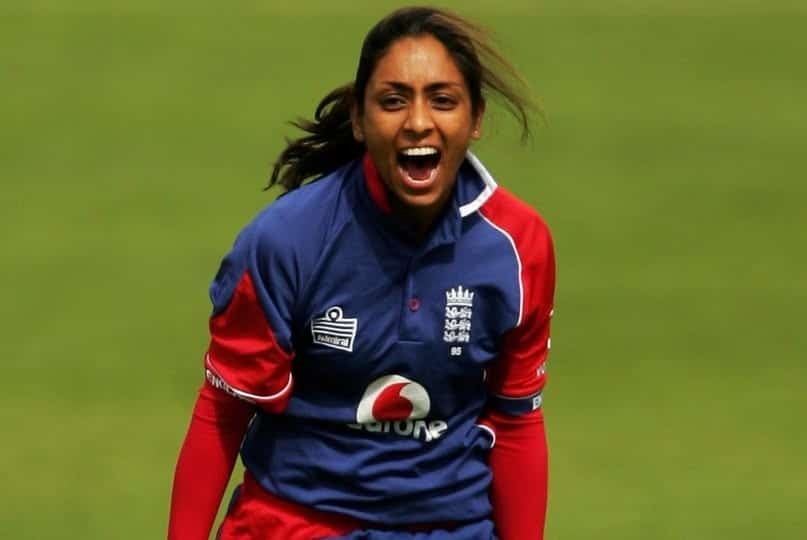
A 2.83 economy rate in T20 cricket is almost incomprehensible. For context, the average economy in Women’s T20 internationals typically sits between 6 and 7.
Guha’s numbers are partly a product of a small sample size. But small samples with this kind of output still deserve enormous credit. She gave the batting side absolutely nothing to work with.
DP David: India’s Forgotten Match-Winner
Diana Pilli David played in the 2010 Women’s T20 World Cup and is one of the most underrated entries on this list.
Four matches. 16 overs. 9 wickets at an economy of 4.18. Her best figures? 4/12.
That is a genuine match-winning combination of economy AND penetration. Most bowlers on this list are miserly but not threatening. David was both.
Her bowling average of 7.44 is the best on this entire list among players with more than 5 wickets. She remains one of India’s most effective Women’s T20 World Cup bowlers in the tournament’s history.
Soniya Dabir: The 2014 Quiet Architect
Soniya Dabir represents the same economy figure as DP David (4.18) but across the 2014 Women’s T20 World Cup.
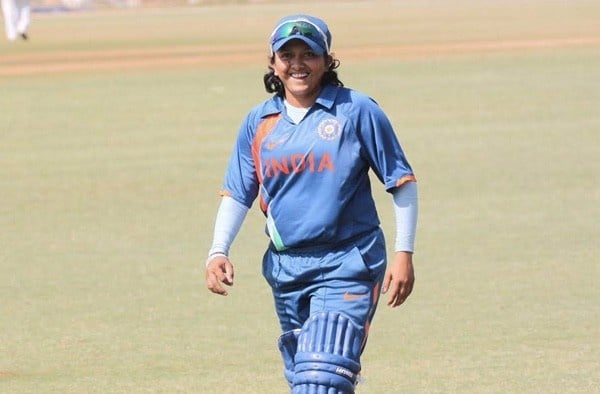
Six wickets in four games, with a best of 3/14, shows she wasn’t just bowling dot balls. She was actively taking wickets while maintaining that miserly line.
India clearly had a specific blueprint for spin bowling in this era. Both Dabir and David prove that Indian Women’s cricket had world-class bowling resources well before the current generation.
The South African Contingent: Y Fourie and M Daniels
South Africa’s entries may not dominate headlines, but their control speaks volumes. First up is a bowler who barely gave batters a chance to score.
Y Fourie: Three Tournaments, Barely Any Runs
Y Fourie played three ICC Women’s T20 World Cups (2016 and 2018) and maintained an economy of 4.20 across just 5 overs.
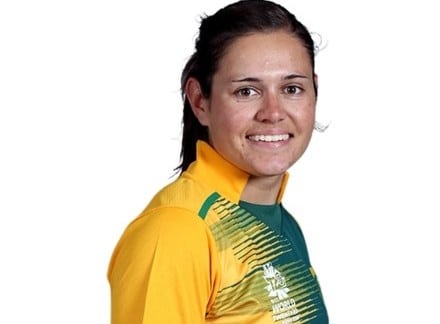
Again, a small sample. But across multiple tournaments, consistency of this level is harder to sustain than a single hot spell.
M Daniels: The Most Underappreciated Name on This List
M Daniels has the most overs bowled in the top 5 of this list, other than the major names below.
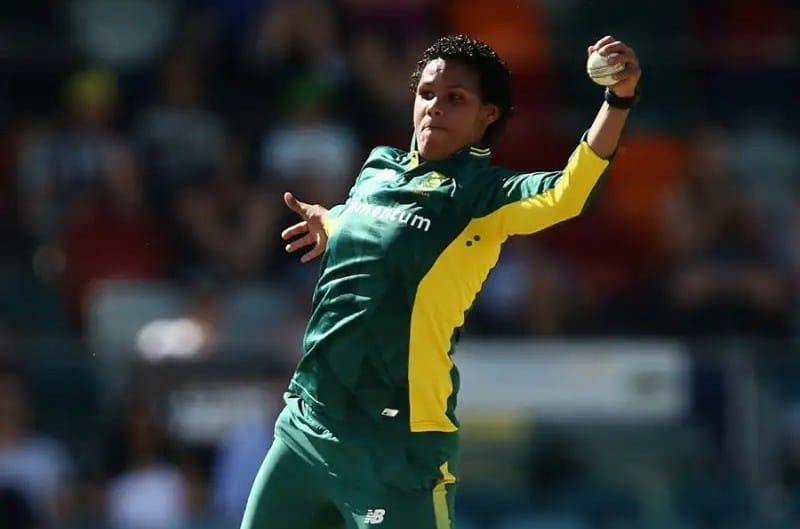
Nine matches. 28.3 overs. 120 runs conceded across two tournaments at 4.21.
Her BBI of 1/6 suggests she was primarily an economy bowler rather than a wicket-taker. But for a side like South Africa, building pressure across the middle overs was exactly the role she filled perfectly.
England’s Economy Machine: Elwiss, Marsh, and Ecclestone
England’s presence on this list is no coincidence, it’s built on discipline and depth. Georgia Elwiss is a perfect example of that quiet efficiency.
Georgia Elwiss: The Underrated ENG-W All-Rounder
Georgia Elwiss played in the Women’s T20 World Cups in 2014 and 2016. She bowled 8 overs total, took 3 wickets, and maintained an economy of 4.25.
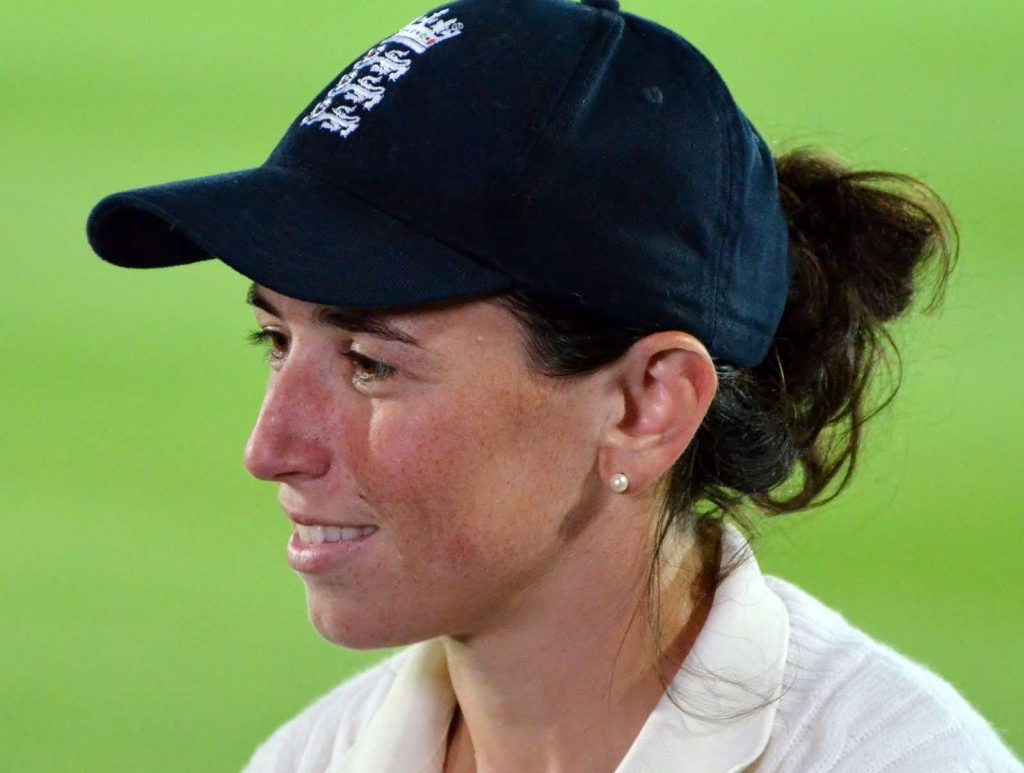
Her best figures of 2/9 show she could do both jobs. Economy AND wickets. That’s why she’s on this list, and not just because she got lucky on a dead pitch.
Laura Marsh: Fifteen Matches of Absolute Control
Laura Marsh is arguably the most important name on this list from a volume standpoint below Ecclestone.
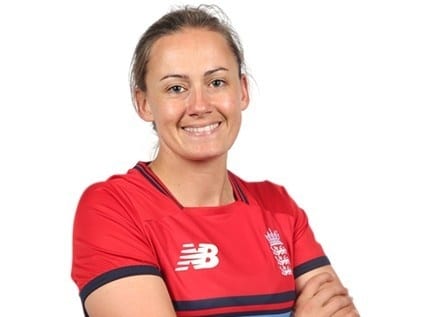
Fifteen matches. 19 wickets. 59 overs. Economy of 4.45. Her best figures of 3/12 in a single outing came at a tournament where she consistently strangled run rates.
Marsh holds the second-best economy rate in Women’s T20 World Cup history among bowlers with qualifying overs, just behind Nielsen’s mark, according to historical records on Sportskeeda.
What makes Marsh stand out is its longevity. From 2009 to 2016, across seven years of Women’s T20 World Cups, her economy rate barely moved. That kind of consistency across different conditions, formats, and opposition batting line-ups is genuinely remarkable.
Sophie Ecclestone: The Best Active Bowler on This List
Sophie Ecclestone is the only active international cricketer on this top 10 list as of 2026.
From 2018 to 2024, she played 18 Women’s T20 World Cup matches and took 29 wickets at an economy of 4.37. Her best figures are 3/7, which is the kind of spell that ends batting line-ups.
In the 2024 edition, Ecclestone maintained one of the better economy rates in the tournament among high-volume bowlers. She wasn’t the cheapest in that specific edition, but she was the most threatening in terms of wickets-per-over.
With the ICC Women’s T20 World Cup 2026 arriving in England this summer, the tournament will expand from 10 to 12 teams and increase group-stage matches from 20 to 30. That means more overs, more data, and potentially more names cracking the all-time economy list.
Ecclestone playing on home pitches in England could see her economy rate drop further. Home conditions, familiar conditions. She has never struggled at those grounds.
What Separates a 4.2 Economy From a 4.5 Economy?
This might look like a minor difference. It isn’t.
Over a 4-over spell, the difference between a 4.20 and 4.50 economy rate is 1.2 runs. Across a full 20-over innings with three such bowlers? That’s nearly 4 extra runs the opposition concede.
Four runs is often the margin in close Women’s T20 World Cup games.
The bowlers on this list understand three things better than most:
- Length consistency: Hitting a good length every ball removes the batter’s options
- Variation timing: Mixing pace and spin without telegraphing the change
- Match awareness: Knowing when to fire in a full ball and when to drag it back
Ecclestone, Marsh, and Nielsen are the best examples of all three in this list.
MJG Nielsen: The NZ-W Quiet Achiever
Morna Nielsen of New Zealand Women played four editions of the Women’s T20 World Cup between 2012 and 2016. Fourteen matches. Eleven wickets.
Her economy of 4.31 with a best of 2/10 placed her among the most reliable spinners in Women’s T20 cricket at the time.
Nielsen holds one of the best sustained economy rates in tournament history among qualifying spinners, according to published records. New Zealand’s bowling culture has always prized control over aggression, and Nielsen is a perfect example of that philosophy.
MR Meshram: The Footnote With a Story
MR Meshram played just two games in the 2012 Women’s T20 World Cup. Six overs, 27 runs, economy of 4.50.
She sits tenth on this list. No wickets recorded. But her economy tells you she did her job without fuss. Cricket rewards the unflashy more often than fans realise.
What Comes Next: ICC Women’s T20 World Cup 2026
The next chapter of this tournament writes itself in England this summer.
The 2026 Women’s T20 World Cup will be held in England and Wales, with the total prize fund rising 10% to $8.76 million, and winners set to take home $2.34 million.
Ecclestone will be the player most likely to cement her name further up this all-time economy list. Whether any other bowler joins her in the sub-4.5 club after this edition is the subplot worth watching.
Read More:
Conclusion: Isa Tara Guha Holds The Best Economy Rate Of 2.83 In The ICC Women’s T20 World Cup
Isa Tara Guha’s record economy rate of 2.83 remains the standout anomaly in ICC Women’s T20 World Cup history, symbolising just how rare sustained control can be in the shortest format. Behind her, a small group of bowlers from England, India, South Africa, and New Zealand have shown that discipline and consistency can be as decisive as wickets.
With Sophie Ecclestone still active and the 2026 tournament approaching, there is every chance this elite list will evolve, but its benchmark of sub-4.5 economy remains exceptionally difficult to surpass.