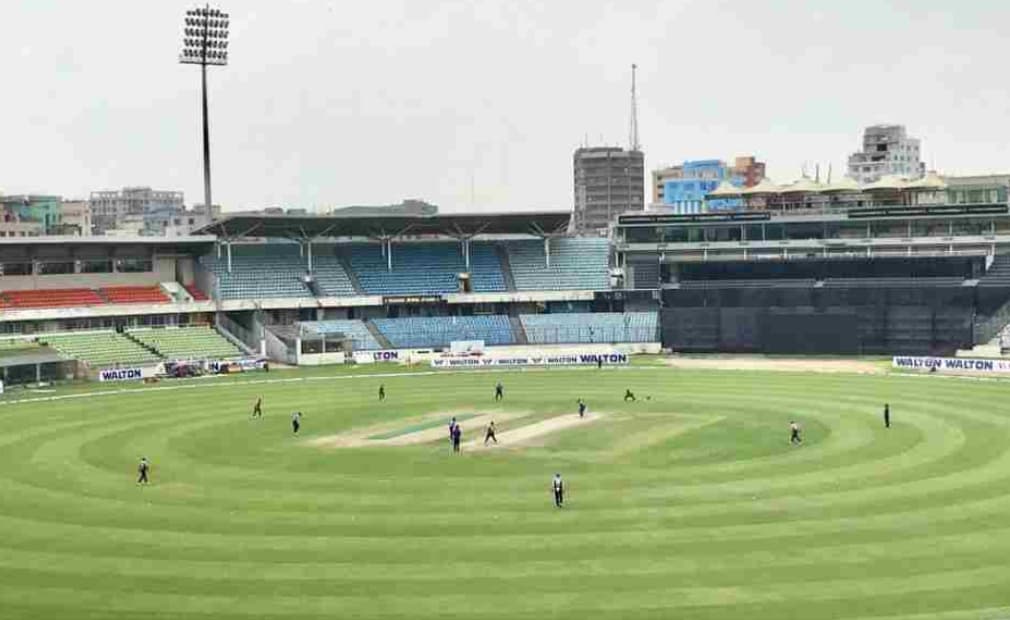
A bowling average tells you how many runs a bowler concedes per wicket, the lower the number, the more lethal the bowler.
In Asia Cup ODI history, this list is dominated by a mix of spin wizards, part-time bowlers, and one unforgettable pace spell. But there’s a catch most stat pages don’t explain: several names on this list bowled in just one or two matches, which makes their averages look better than they really are.
This guide breaks down the full list, explains that catch, and profiles every bowler on it.
Best Bowling Average in Asia Cup ODI History: The Full List
Only a handful of bowlers have combined regular wickets with outstanding economy to achieve elite bowling averages in Asia Cup ODI history. Here are the players with the best bowling averages in the tournament.
| Player | Span | Mat | Overs | Mdns | Balls | Runs | Wkts | BBI | Avg | Econ | SR |
|---|---|---|---|---|---|---|---|---|---|---|---|
| Iqbal Qasim (PAK) | 1988 | 1 | 9.0 | 3 | 54 | 13 | 3 | 3/13 | 4.33 | 1.44 | 18.00 |
| KIC Asalanka (SL) | 2023 | 6 | 9.1 | 1 | 55 | 19 | 4 | 4/18 | 4.75 | 2.07 | 13.75 |
| SMA Priyanjan (SL) | 2014 | 2 | 3.0 | 0 | 18 | 11 | 2 | 2/11 | 5.50 | 3.66 | 9.00 |
| Imran Khan (PAK) | 1986 | 3 | 12.0 | 3 | 72 | 23 | 3 | 2/11 | 7.66 | 1.91 | 24.00 |
| Imran Farhat (PAK) | 2004–2010 | 4 | 12.0 | 2 | 72 | 49 | 5 | 3/10 | 9.80 | 4.08 | 14.40 |
| BAW Mendis (SL) | 2008–2014 | 8 | 68.0 | 5 | 408 | 271 | 26 | 6/13 | 10.42 | 3.98 | 15.69 |
| S Madan Lal (IND) | 1984 | 2 | 14.0 | 3 | 84 | 32 | 3 | 3/11 | 10.66 | 2.28 | 28.00 |
| K Srikkanth (IND) | 1988 | 4 | 10.2 | 0 | 62 | 47 | 4 | 3/12 | 11.75 | 4.54 | 15.50 |
| Mohammed Siraj (IND) | 2023 | 5 | 26.2 | 4 | 158 | 122 | 10 | 6/21 | 12.20 | 4.63 | 15.80 |
| Saqlain Mushtaq (PAK) | 1997 | 3 | 19.3 | 1 | 117 | 76 | 6 | 5/38 | 12.66 | 3.89 | 19.50 |
What Bowling Average Actually Measures — and Why It Can Mislead
Bowling average is simply runs conceded divided by wickets taken. A bowler averaging 10 is, in theory, twice as effective as one averaging 20. But average rewards short, explosive bursts just as much as long, sustained excellence, which is exactly why this Asia Cup list needs a second layer of reading.
Two Very Different Types of “Best Average” Leaders
Not every name on this list earned its spot the same way. Splitting the list by sample size changes the story completely.
- Small-sample specialists (1–4 matches): Iqbal Qasim, SMA Priyanjan, Imran Khan, Imran Farhat, S Madan Lal, and K Srikkanth all built their averages from just a handful of overs. A single unplayed pitch, a collapsing batting order, or one purple patch is enough to produce a career-best average in this format.
- Proven, high-volume performers (5+ matches, meaningful overs): Only three bowlers on this list — BAW Mendis, Mohammed Siraj, and Saqlain Mushtaq — took their wickets across enough overs and matches for the average to reflect genuine, repeatable skill rather than a hot streak.
If you’re looking for the “real” best bowling average in Asia Cup ODI history, Ajantha Mendis (BAW Mendis) is the standout — his average of 10.42 came from 26 wickets across 8 matches, a workload no other bowler on this list comes close to matching.
Player-by-Player Breakdown
Take a closer look at each bowler’s Asia Cup ODI record, including matches, wickets, bowling average, and standout performances that earned them a place on this list.
1. Iqbal Qasim (PAK) — Avg 4.33
The lowest average on the list, but built from a single match in the 1988 Asia Cup.
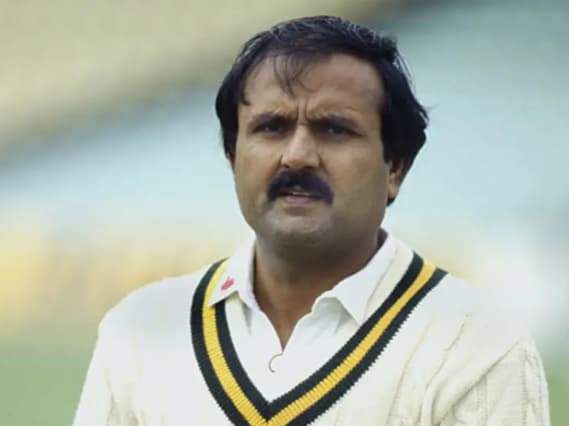
Qasim, a left-arm orthodox spinner, picked up 3/13 in that appearance, producing a headline number from one standout spell rather than a full campaign.
2. KIC Asalanka (SL) — Avg 4.75
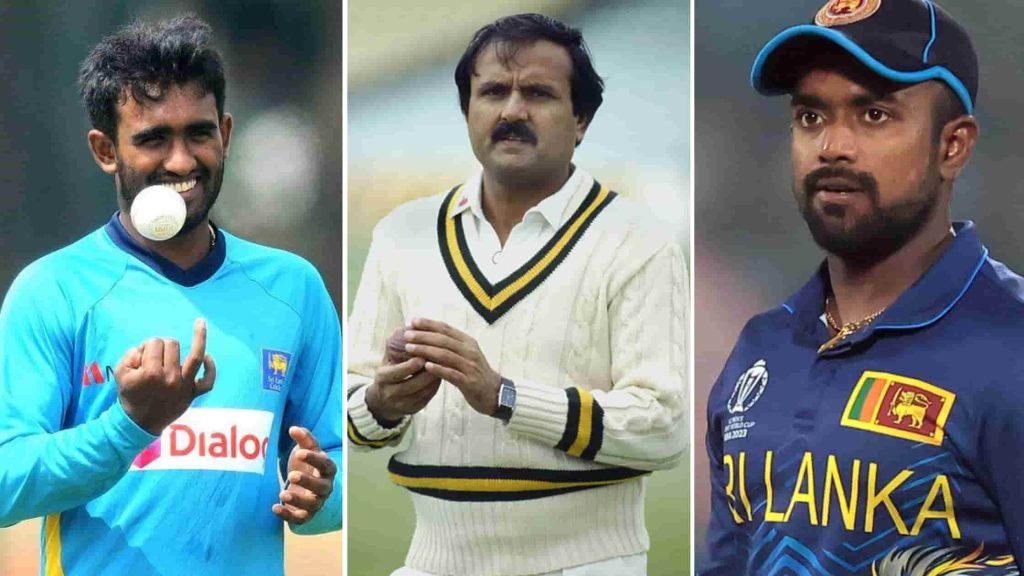
Kamindu Asalanka is primarily a Sri Lankan middle-order batter who bowls off-spin as a part-time option.
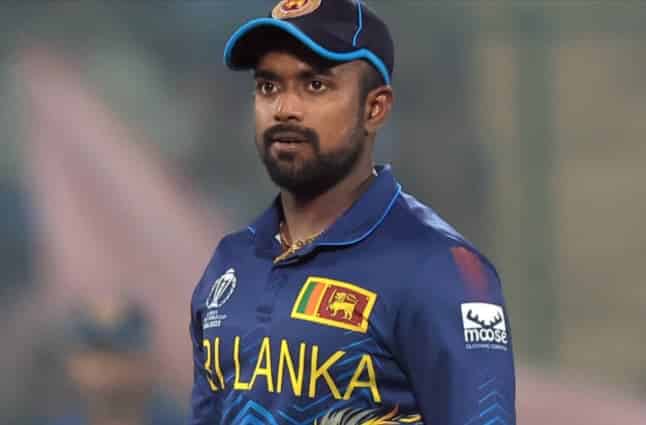
In the 2023 Asia Cup, his occasional overs proved a surprise weapon, returning 4/18 and finishing the tournament with the second-best average on this list.
3. SMA Priyanjan (SL) — Avg 5.50
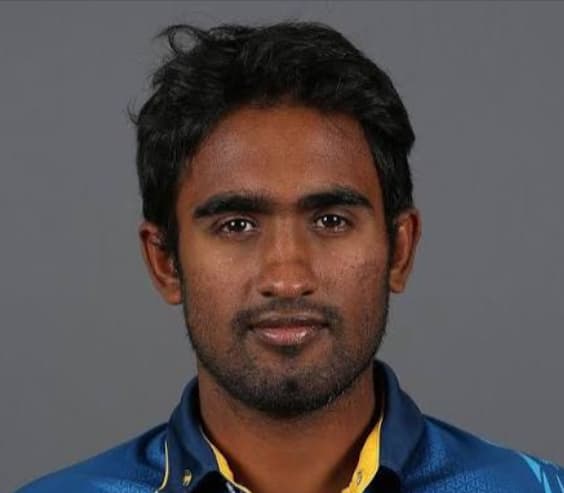
Another batting all-rounder who bowls only occasionally, Dinesh Priyanjan picked up 2 wickets for just 11 runs across two matches in the 2014 Asia Cup, a tidy, low-cost return from limited overs.
4. Imran Khan (PAK) — Avg 7.66
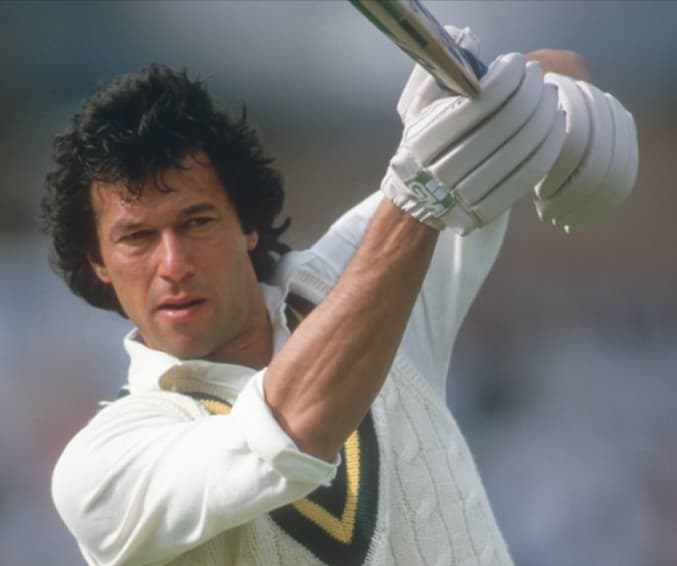
One of Pakistan’s greatest all-time captains and all-rounders, Imran Khan’s tally here comes from the 1986 Asia Cup, where his pace bowling picked up 3 wickets at an economy of under 2 runs per over.
5. Imran Farhat (PAK) — Avg 9.80
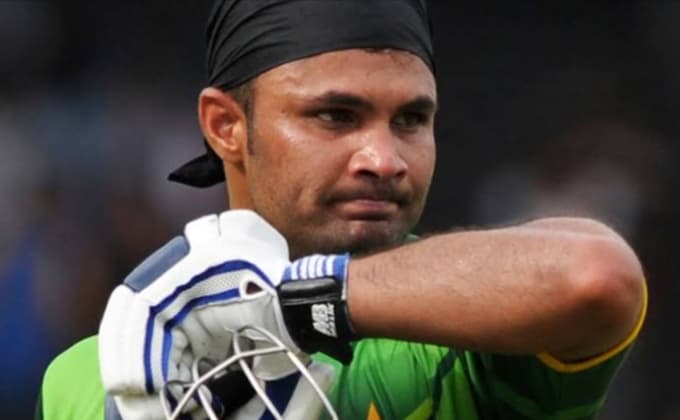
Better known as a left-handed opening batter, Imran Farhat’s occasional bowling stretched across three different Asia Cup editions between 2004 and 2010, quietly picking up 5 wickets including a best of 3/10.
6. BAW Mendis (SL) — Avg 10.42
Ajantha Mendis is the most credible name on this list.
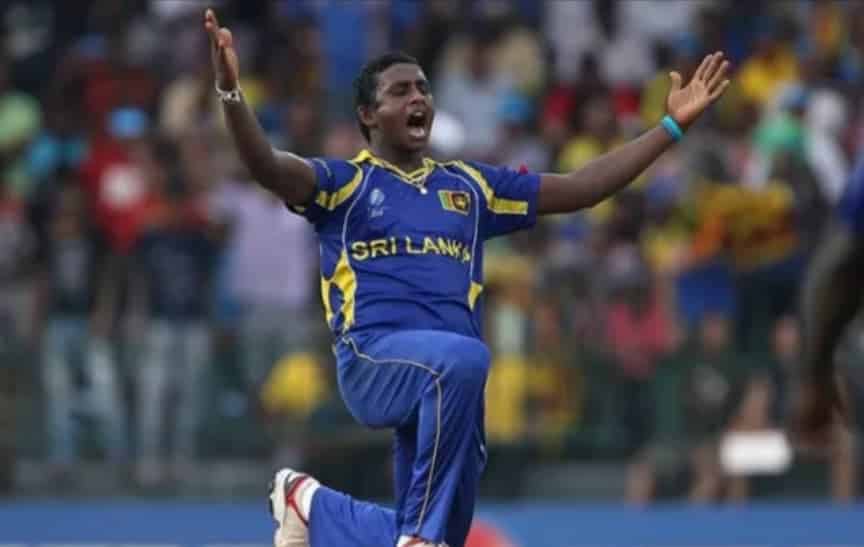
His mystery spin, a mix of carrom balls and variations that baffled batters across Asia, brought him 26 wickets in 8 matches between 2008 and 2014, including a career-best 6/13. Unlike most others here, his average is backed by genuine volume, making him arguably the best bowler in Asia Cup ODI history by any measure.
7. S Madan Lal (IND) — Avg 10.66
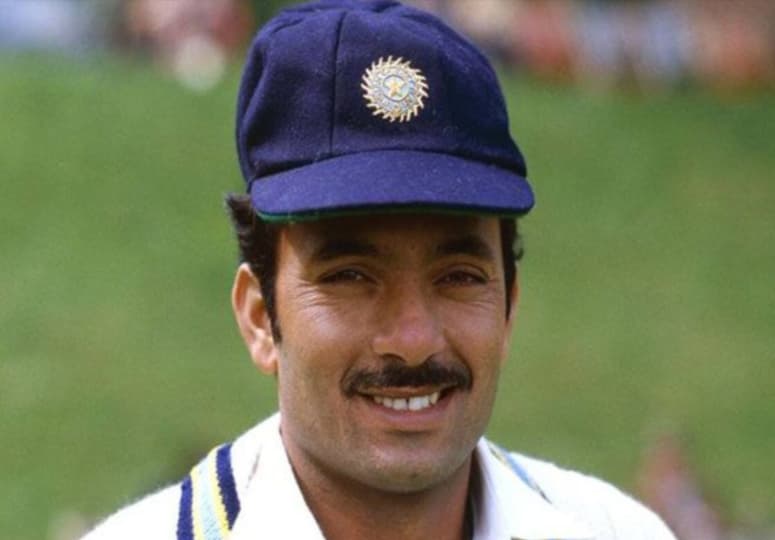
A key part of India’s ODI attack in the 1980s, Madan Lal’s medium pace fetched him 3 wickets at an economical 2.28 runs per over in the 1984 Asia Cup.
8. K Srikkanth (IND) — Avg 11.75
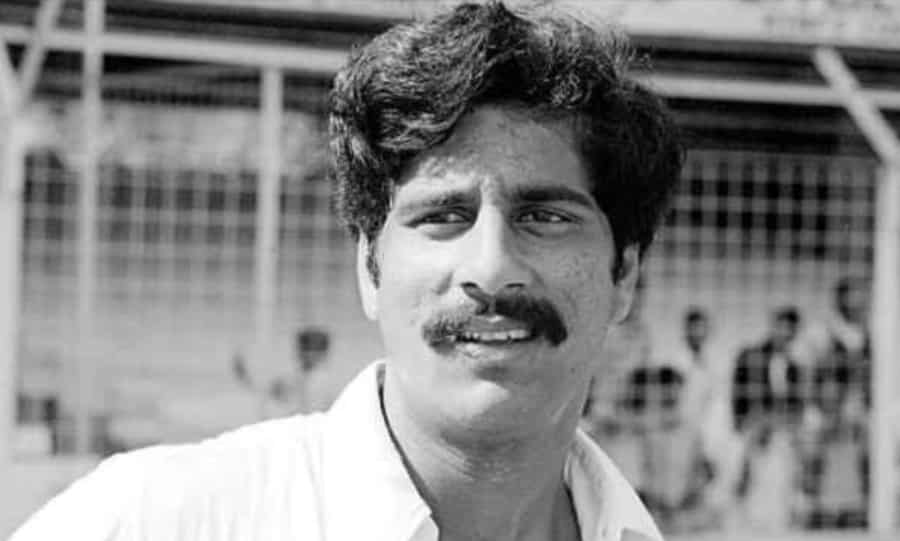
Best remembered as an explosive opening batter, Krishnamachari Srikkanth also chipped in with the ball, picking up 4 wickets in the 1988 Asia Cup with his occasional medium pace.
9. Mohammed Siraj (IND) — Avg 12.20
Siraj’s name here comes almost entirely from one unforgettable spell: his 6/21 in the 2023 Asia Cup final helped skittle Pakistan and hand India the title.
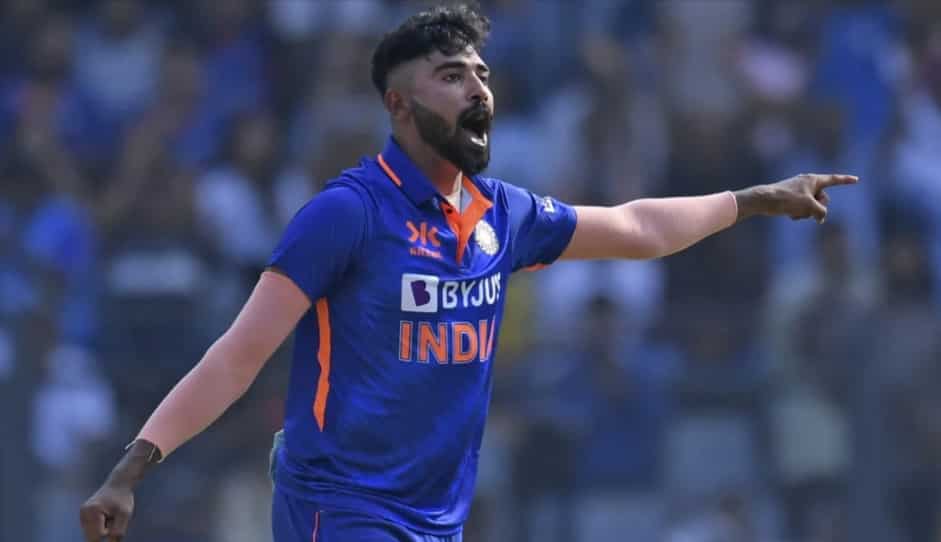
Across the tournament, he picked up 10 wickets in 5 matches, making him one of the few modern-era pacers to combine volume with a genuinely low average.
10. Saqlain Mushtaq (PAK) — Avg 12.66
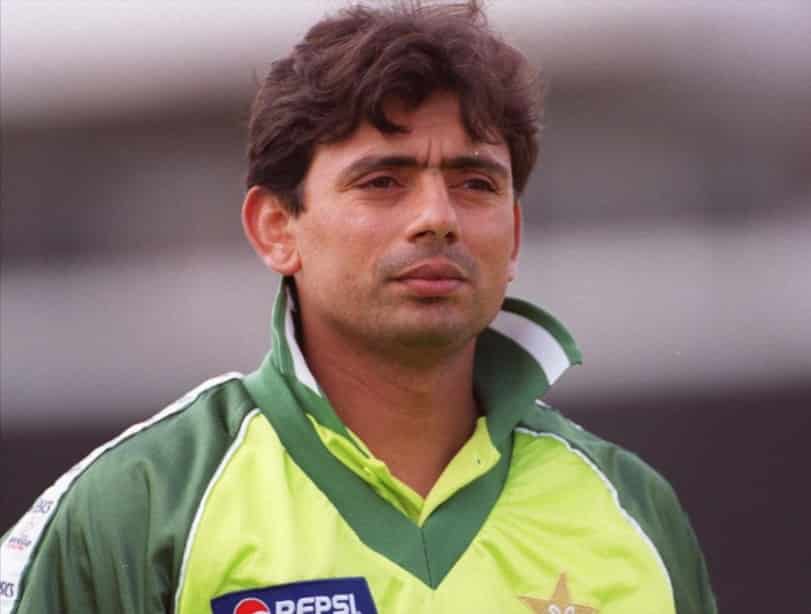
The inventor of the “doosra,” Saqlain Mushtaq’s off-spin was central to Pakistan’s 1997 Asia Cup campaign, where he picked up 6 wickets including a five-wicket haul (5/38) across three matches.
Best Economy Rate Among These Bowlers
Average isn’t the only number that matters, economy rate shows who was hardest to score against, over by over.
| Player | Economy | Context |
|---|---|---|
| Iqbal Qasim (PAK) | 1.44 | Tightest spell on this list, 1988 |
| Imran Khan (PAK) | 1.91 | Miserly pace bowling, 1986 |
| KIC Asalanka (SL) | 2.07 | Best economy among part-timers, 2023 |
| S Madan Lal (IND) | 2.28 | Controlled medium pace, 1984 |
Best Strike Rate Among These Bowlers
Strike rate shows how quickly a bowler picks up wickets, ball by ball, a different measure from both average and economy.
| Player | Strike Rate | Context |
|---|---|---|
| SMA Priyanjan (SL) | 9.00 | Fastest strike rate on this list, 2014 |
| KIC Asalanka (SL) | 13.75 | Quick, breakthrough-heavy spells, 2023 |
| Imran Farhat (PAK) | 14.40 | Consistent across multiple editions |
| BAW Mendis (SL) | 15.69 | Best strike rate among high-volume bowlers |
Also Read:
Conclusion
The best bowling average in Asia Cup ODI history isn’t a single clear-cut answer, it depends on whether you value a flash of brilliance or sustained excellence.
Iqbal Qasim’s 4.33 tops the raw numbers, but Ajantha Mendis’s 26 wickets across eight matches make his 10.42 the more meaningful record. Together with Siraj’s unforgettable final spell, these names capture the different ways bowlers have shaped Asia Cup history.
FAQs
Iqbal Qasim holds the lowest average on record at 4.33, but it comes from a single match. Among bowlers with a genuine sample size, Ajantha Mendis’s average of 10.42 across 8 matches is widely regarded as the most credible “best.”
Because average only measures runs per wicket, not workload. A batter who bowls a handful of overs and gets lucky with early wickets can post a better average than a frontline bowler who bowls hundreds of overs across a career.
Siraj has taken 10 wickets in 5 matches at an average of 12.20, including a 6/21 in the 2023 Asia Cup final against Pakistan.
BAW Mendis holds the best innings figures among this group with 6/13, followed by Mohammed Siraj’s 6/21.