The Asia Cup has never been one tournament, it’s been two, quietly trading places since 2016. One half is a 50-over marathon built on 18-year careers; the other is a T20 sprint where records fall in a single fortnight.
Jayasuriya and Muralitharan own the long game. Nissanka and Abhishek Sharma are rewriting the short one. And in 2025, one bowler quietly did something no one else has: he now holds the record book for both formats at once.
Here’s how the two histories actually compare.
Why Asia Cup ODI and T20 Records Live in Two Different Worlds
Since its 1984 debut, the Asia Cup was played exclusively as an ODI tournament until 2016, when the Asian Cricket Council began alternating formats to align with global World Cup cycles.
- ODI era: 1984–2023 (13 editions), with brief T20 detours in 2016 and 2022.
- T20I era: 2016, 2022, and 2025 — now the format used whenever a T20 World Cup follows the same year.
- Because ODI Asia Cup careers stretch across 15–20 years while T20 careers are compressed into a handful of tournaments, the two record books reward completely different types of greatness — longevity in ODIs, explosiveness in T20Is.
This is the real story behind “Asia Cup ODI vs T20 records”: it isn’t one leaderboard, it’s two, built by different generations under different rules.
Asia Cup ODI Records: Batting, Bowling, and Team Totals
The ODI format has produced the tournament’s deepest, most decades-spanning numbers.
- Most runs: Sanath Jayasuriya (Sri Lanka) — 1,220 runs in 25 matches between 1990 and 2008, at an average of 53.04.
- Highest individual score: Virat Kohli — 183 vs Pakistan in 2012, still his highest ODI score in any tournament.
- Highest team total: Pakistan — 385/7 vs Bangladesh in 2010, powered by Shahid Afridi’s 124 off 60 balls.
- Most wickets: Muttiah Muralitharan (Sri Lanka) — 30 wickets in 24 matches between 1995 and 2010.
- Best bowling figures: Ajantha Mendis — 6/13 vs India in the 2008 final, still the best figures in Asia Cup history across both formats.
- Most wickets in a single edition: Ajantha Mendis — 17 wickets in the 2008 tournament alone.
| ODI Asia Cup Record | Holder | Detail |
|---|---|---|
| Most runs | Sanath Jayasuriya | 1,220 (1990–2008) |
| Most wickets | Muttiah Muralitharan | 30 (1995–2010) |
| Highest individual score | Virat Kohli | 183 vs Pakistan (2012) |
| Highest team total | Pakistan | 385/7 vs Bangladesh (2010) |
| Best bowling figures | Ajantha Mendis | 6/13 vs India (2008) |
Asia Cup T20I Records: Batting, Bowling, and Team Totals
The T20 format is younger, but it’s already producing records that fall almost every edition.
- Most runs: Pathum Nissanka (Sri Lanka) — 434 runs across the 2022 and 2025 editions, overtaking Kohli’s earlier tally.
- Highest individual score: Virat Kohli — 122* vs Afghanistan in 2022, matched by Babar Hayat’s 122 for Hong Kong vs Oman in 2016.
- Highest team total: India — 212/2 vs Afghanistan in 2022.
- Most wickets (all-time): Kuldeep Yadav and Wanindu Hasaranga — tied on 17 wickets each.
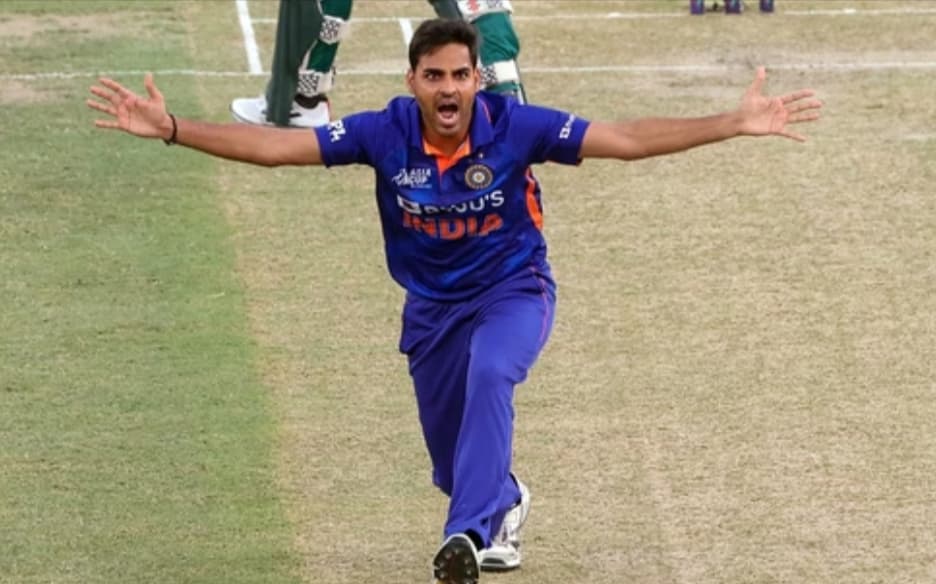
- Best bowling figures: Bhuvneshwar Kumar — 5/4 vs Afghanistan in 2022.
- Most sixes: Abhishek Sharma — 19 sixes in the 2025 edition alone.
- Highest strike rate (min. 125 balls): Abhishek Sharma — 200.00, set in 2025.
| T20I Asia Cup Record | Holder | Detail |
|---|---|---|
| Most runs | Pathum Nissanka | 434 (2022–2025) |
| Most wickets | Kuldeep Yadav / Wanindu Hasaranga | 17 (tied) |
| Highest individual score | Virat Kohli | 122* vs Afghanistan (2022) |
| Highest team total | India | 212/2 vs Afghanistan (2022) |
| Best bowling figures | Bhuvneshwar Kumar | 5/4 vs Afghanistan (2022) |
ODI vs T20 Asia Cup Records: Head-to-Head Comparison
Placed side by side, the gap between the two formats becomes obvious, T20 records are set faster, but ODI records have proven far harder to break.
| Category | ODI Record Holder | T20I Record Holder | Bigger Gap? |
|---|---|---|---|
| Most career runs | Jayasuriya — 1,220 | Nissanka — 434 | ODI, by 786 runs |
| Most career wickets | Muralitharan — 30 | Yadav/Hasaranga — 17 | ODI, by 13 wickets |
| Highest individual score | Kohli — 183 | Kohli/Hayat — 122 | ODI, by 61 runs |
| Highest team total | Pakistan — 385/7 | India — 212/2 | ODI, by 173 runs |
| Best bowling figures | Mendis — 6/13 | Bhuvneshwar — 5/4 | Comparable impact, fewer overs in T20 |
| Years to set the record | Up to 18 years (Jayasuriya) | As little as one tournament (Nissanka) | T20 records move fastest |
The One Player Who Now Owns Both Formats: Kuldeep Yadav’s Combined Record
Here’s the detail that almost no ODI-only or T20-only records list captures: cricket doesn’t actually keep the two formats separate when it comes to a player’s overall Asia Cup legacy.
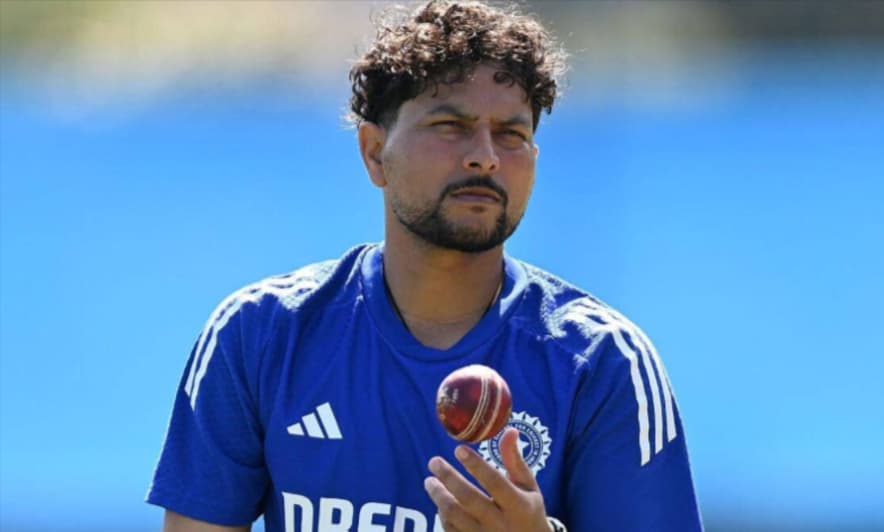
- Kuldeep Yadav became the all-time leading wicket-taker in Asia Cup history across both formats combined, reaching 36 wickets in the 2025 final — surpassing Lasith Malinga’s long-standing combined record of 33.
- In the same tournament, Kuldeep also set the record for most wickets in a single T20 Asia Cup edition (17 wickets in just 7 matches), a rate far superior to Wanindu Hasaranga’s 17 wickets across 12 matches.
- This double achievement — combined-format king and single-edition T20 record holder — makes Kuldeep Yadav the only bowler in Asia Cup history to simultaneously hold a cross-format career record and a single-tournament format record at the same time.
Batting Legends Compared: Jayasuriya vs Kohli vs Nissanka
Each format has crowned its own batting icon, and comparing them says a lot about how the game itself has changed:
- Sanath Jayasuriya (ODI king): built his 1,220 runs over 18 years and six centuries, the definition of longevity.
- Virat Kohli (cross-format icon): holds the highest individual score in both ODI (183) and T20I (122*) Asia Cup history — the only batter to top both format leaderboards for individual scores.
- Pathum Nissanka (T20 rising star): overtook Kohli’s T20 run tally within just two editions, showing how quickly modern T20 batters can rewrite record books compared to the ODI era.
Bowling Legends Compared: Muralitharan vs Mendis vs Kuldeep
- Muttiah Muralitharan built ODI cricket’s most durable wicket-taking record (30) over 15 years — a mark that has stood since 2010.
- Ajantha Mendis produced Asia Cup cricket’s single greatest bowling spell (6/13) and its best single-tournament haul (17 wickets in 2008), both still unbeaten across ODI and T20I combined.
- Kuldeep Yadav shows what’s possible in the modern era: a T20 record haul (17 wickets, 7 matches) built in a fraction of the time it took earlier legends, while also becoming the format-combined career leader.
Team Records Across Both Formats
| Team Record | ODI | T20I |
|---|---|---|
| Highest total | Pakistan 385/7 vs Bangladesh (2010) | India 212/2 vs Afghanistan (2022) |
| Lowest total | Bangladesh 87 vs Pakistan (2000) | Hong Kong 38 vs Pakistan (2022) |
| Most titles (format-specific) | India — most ODI-era wins | India — most T20I-era wins |
| Most successful team overall | India — 9 titles across both formats |
Why the Format Switch Changes How Records Are Actually Made
This is the angle most Asia Cup content skips entirely: the format doesn’t just change the game, it changes the shape of history.
- ODI records reward players who returned to the tournament across a decade or more — Jayasuriya (1990–2008) and Muralitharan (1995–2010) both needed 15+ years to build their totals.
- T20 records reward compressed brilliance — Kuldeep’s 17 wickets came in seven matches inside a single month, something physically impossible in the 50-over era’s slower tournament cycle.
- Because the ACC now alternates formats based on the global calendar, a player’s “Asia Cup legacy” increasingly depends on which years they were in form — Kohli built his ODI record in 2012 and his T20 record a decade later in 2022, a gap no other batter has matched across formats.
Conclusion
Asia Cup ODI and T20 records aren’t really one history, they’re two, built by different generations under different rules of endurance and speed.
Jayasuriya and Muralitharan still rule the marathon; Nissanka, Abhishek Sharma, and Kuldeep Yadav are rewriting the sprint.
And with Kuldeep now holding both a combined career record and a single-edition T20 record, the two record books may finally be starting to merge.