The Indian cricket landscape has always witnessed dynamic leadership decisions, and the latest development surrounding Suryakumar Yadav and Shubman Gill has stirred intense discussion. Reports suggest that Suryakumar, India’s T20 captain for the Asia Cup 2025, was not keen on including Shubman Gill in the squad due to concerns about his traditional playing approach in fast-paced T20 games. However, Gautam Gambhir, the newly appointed head coach, along with the selection committee, stood firm on their belief in Gill’s long-term importance to the team.
The incident reflects the balance between experience and vision, the need to win in the present while nurturing India’s cricketing future.
Suryakumar Yadav’s Perspective on Gill’s Exclusion:
Suryakumar Yadav’s reservations reportedly stemmed from Shubham Gill’s conventional batting technique, which he felt did not align with India’s aggressive T20 template. As captain, Surya emphasized players capable of rapid acceleration and adaptability in shorter formats.
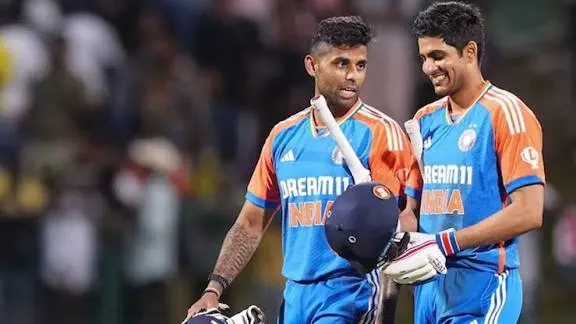
Key points from Suryakumar’s stance include:
- Gill’s strike rate in the powerplay was seen as conservative compared to explosive openers.
- The need for dynamic middle-order hitters outweighed the inclusion of traditional batters.
- Team balance and match tempo were top priorities for Surya’s tactical vision.
From his perspective, Gill’s style could slow down innings progression, especially on slower pitches. However, critics argue that Surya’s view focused too narrowly on immediate results rather than India’s evolving multi-format strategy.
Gautam Gambhir’s Decisive Intervention:
Gautam Gambhir’s influence has been pivotal since taking over as head coach. His decision to include Shubman Gill despite Suryakumar’s objections highlighted his belief in building a future-ready Indian side.
Gambhir’s rationale involved several strategic elements:
- Gill’s technical stability and temperament make him a dependable top-order option.
- He brings leadership maturity, crucial for grooming the next generation.
- Gambhir views Gill as a bridge between aggressive modern batting and classical control.
The decision reflects Gambhir’s long-term planning approach, much like his leadership during his own playing days. He prioritized consistency, accountability, and grooming young players who can lead across all formats.
Shubman Gill’s Role as India’s Future Leader:
Despite the controversy, Gill’s inclusion turned into a defining moment in his young career. Appointed vice-captain for the Asia Cup, he showcased leadership on and off the field.
Gill’s growing influence is evident through:
- His ability to anchor innings while supporting aggressive partners like Ruturaj Gaikwad.
- His adaptability to switch gears depending on match situations.
- His calm demeanor under pressure, reminding many of a young Virat Kohli.
Many insiders believe Gill is being prepared as India’s all-format captain of the future. His performances across formats have proven that his classical approach can coexist with the modern, power-hitting game.
The Asia Cup 2025 T20 Squad Dynamics:
The final squad announcement revealed India’s intent to blend experience with emerging talent. Alongside senior players like Suryakumar and Hardik Pandya, selectors included promising names such as Rinku Singh and Ravi Bishnoi.
Focus on versatility across batting and bowling units. A mix of right-left combinations for depth and adaptability. Continuity for players with strong IPL 2025 performances.
This blend ensured India had both explosive firepower and stability, an approach Gambhir and the selection committee are committed to refining ahead of the T20 World Cup 2026.
Media Reactions and Dressing Room Buzz:
The media’s coverage of the alleged disagreement between Suryakumar and Gambhir sparked debates about player influence and selection transparency. While BCCI officials maintained that the discussions were part of normal selection deliberations, reports hinted at “heated exchanges” during internal meetings.
Public and media observations included:
- Support for Gambhir’s assertive decision-making style.
- Concerns about potential rifts within leadership groups.
- Praise for Gill’s professionalism despite external noise.
Former players, including Irfan Pathan and Harbhajan Singh, urged fans to see this as a healthy sign of passionate leadership rather than conflict, emphasizing that differences often drive better outcomes for the team.
Shubman Gill’s Asia Cup 2025 T20 Performance:
Shubman Gill’s inclusion in the Asia Cup 2025 T20 squad turned out to be a rewarding decision for Team India. Despite initial doubts, Gill justified Gautam Gambhir’s faith through consistent and composed performances.
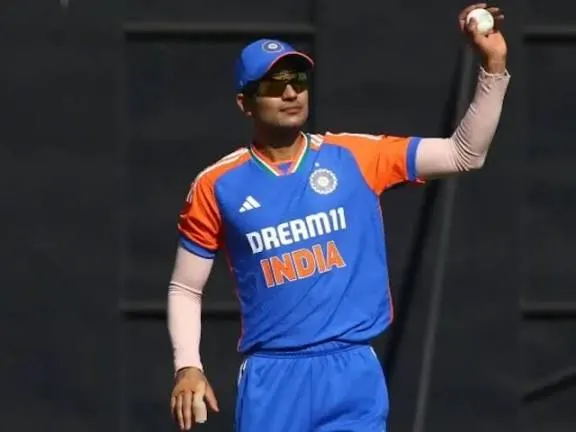
While others played explosive cameos, Gill anchored crucial innings and built partnerships that stabilized India’s batting order. His maturity under pressure and adaptability against varied bowling attacks showcased why Gambhir was keen on including him as a core member of the T20 setup and as a future leader.
| Match | Opponent | Runs Scored | Balls Faced | Strike Rate | 4s/6s | Result |
| 1 | Sri Lanka | 58 | 39 | 148.7 | 6/2 | India Won |
| 2 | Bangladesh | 41 | 31 | 132.2 | 4/1 | India Won |
| 3 | Pakistan | 32 | 24 | 133.3 | 3/1 | Match Abandoned |
| 4 | Afghanistan | 66 | 42 | 157.1 | 8/2 | India Won |
| Semi Final | Sri Lanka | 27 | 22 | 122.7 | 3/0 | India Won |
| Final | Pakistan | 73 | 50 | 146.0 | 9/1 | India Won the Title |
Gautam Gambhir’s insistence on including Gill proved decisive, his blend of technique, calm temperament, and steady scoring rate added balance to India’s high-risk batting order and validated his selection beyond doubt.
Impact on India’s Team Chemistry and Performance:
The inclusion of Shubman Gill despite internal disagreement tested the unity within India’s T20 setup. Initially, there were murmurs about divided opinions, but as the tournament progressed, players demonstrated remarkable professionalism. Both Suryakumar Yadav and Shubman Gill were seen celebrating each other’s milestones, a strong sign of mutual respect despite differing views.
Notable aspects of how the team handled the situation:
- Senior players like Hardik Pandya and Ravindra Jadeja played a key role in maintaining a positive dressing room environment.
- Gambhir’s leadership workshops emphasized communication and clarity of roles.
- The management ensured that every player understood the long-term roadmap and expectations.
This episode highlighted that constructive disagreements can actually strengthen a team’s character. By the end of the Asia Cup, the Indian side appeared more cohesive, with Gill contributing crucial runs and Surya leading from the front as captain.
What This Decision Means for India’s Future T20 Vision?
Gautam Gambhir’s insistence on including Shubman Gill reflects a clear blueprint for India’s T20 cricket evolution. The focus is shifting from short-term fireworks to sustainable success through adaptable players.
Core ideas defining this new T20 approach:
- Blending aggression with consistency to suit varied pitch conditions.
- Building a leadership core of young cricketers ready for future ICC tournaments.
- Prioritizing players who can adjust to multiple roles, opener, anchor, or finisher.
This marks a transition in India’s strategy, much like the early Rohit-Dravid era where emphasis was placed on team flexibility. Gill’s inclusion underlines a broader mindset nurturing future captains who understand both tactical and emotional aspects of the game.
Public Response and Social Media Debate Over This Controversy:
Once the news broke about Suryakumar’s opposition and Gambhir’s decision, social media platforms lit up with contrasting opinions. Some fans sided with Surya, praising his aggressive cricket philosophy, while others backed Gambhir for thinking long-term.
Debates around Gill’s T20 strike rate versus his match awareness. Support for Gambhir’s firm stance on leadership grooming. Comparisons to past selection controversies involving legends like Dhoni and Kohli.
Interestingly, even Shubman Gill’s calm response during press interactions acknowledging competition and respecting Surya’s leadership, earned him admiration from fans and experts alike. It reinforced his image as a grounded and team-oriented player destined for greater responsibilities.
The Road Ahead for Suryakumar and Gill:
As India prepares for the 2026 T20 World Cup, both Suryakumar and Gill are expected to play pivotal roles. Surya’s innovation as a batter and tactician complements Gill’s composure and classical shot-making.
What lies ahead for both players:
- Suryakumar is likely to continue leading India in the shorter format until the next global event.
- Gill is set to take over captaincy duties gradually, especially in bilateral series.
- Their contrasting styles could become complementary if managed with mutual trust.
Gautam Gambhir’s coaching philosophy, which values performance over perception, will be crucial in balancing these personalities. If executed well, this partnership could mirror the successful dual leadership model seen in Australia and England.
Conclusion:
The reported disagreement between Suryakumar Yadav and Gautam Gambhir over Shubman Gill’s inclusion underscores the passion and complexity within Indian cricket leadership. It’s not merely a clash of opinions but a reflection of two visions, one focused on immediate impact, the other on future continuity. Eventually, the decision to back Gill might prove decisive in shaping India’s next generation of cricket leaders.
What stands out is that despite the speculation, both Suryakumar and Gill showcased maturity, proving that Indian cricket’s strength lies in its diversity of thought and unwavering commitment to excellence.
FAQs:
Suryakumar reportedly felt that Gill’s traditional batting style might not suit India’s fast-paced T20 strategy, which prioritizes aggressive starts and rapid scoring.
Gambhir emphasized Gill’s consistency, leadership potential, and adaptability, viewing him as a long-term investment for India’s multi-format leadership pipeline.
Despite early reports of internal tension, the team maintained unity. Both Suryakumar and Gill performed well, contributing to India’s progress in the tournament.
Yes, many insiders and selectors consider Gill as a strong candidate for future captaincy roles due to his temperament, maturity, and technical proficiency across formats.
Fans were divided. Some backed Suryakumar’s aggressive approach, while others supported Gambhir’s long term vision. Social media discussions largely celebrated India’s depth of leadership talent.