The Indian Premier League is the home of explosive batting, towering sixes, and breathtaking powerplay assaults. Yet even in the world’s most-watched T20 league, bowlers have occasionally dominated the first six overs so completely that batting lineups have been left in tatters.
The lowest scores in the powerplay in IPL history are a sobering reminder that no team is above a catastrophic start, and in IPL 2026, a fresh record has just been written.
What Is the Powerplay in IPL?
The powerplay in IPL covers the mandatory fielding restrictions across the first 6 overs of each innings, with only two fielders allowed outside the 30-yard circle. This rule is designed to give batters an attacking advantage in the early phase.
A low powerplay score is therefore considered a major batting failure, teams are expected to capitalise on these conditions, not crumble under them.
Top 10 Lowest Powerplay Scores in IPL History (Upto April 2026)
The list below has been freshly updated following the Delhi Capitals’ historic collapse on 27 April 2026, which broke a record that had stood for 17 years.
| Rank | Score | Team | Opponent | Venue | Date |
|---|---|---|---|---|---|
| 1 | 13/6 | Delhi Capitals | RCB | Arun Jaitley Stadium, Delhi | 27 April 2026 |
| 2 | 14/2 | Rajasthan Royals | RCB | Newlands, Cape Town | 18 April 2009 |
| 2 | 14/3 | Sunrisers Hyderabad | Rajasthan Royals | MCA Stadium, Pune | 29 March 2022 |
| 4 | 15/2 | Chennai Super Kings | KKR | Eden Gardens, Kolkata | 07 May 2011 |
| 5 | 16/1 | Chennai Super Kings | Delhi Capitals | SVNS International Stadium, Raipur | 12 May 2015 |
| 6 | 16/1 | Chennai Super Kings | RCB | MA Chidambaram Stadium, Chennai | 23 March 2019 |
| 7 | 17/4 | Kolkata Knight Riders | RCB | Zayed Cricket Stadium, Abu Dhabi | 21 October 2020 |
| 8 | 17/1 | Royal Challengers Bangalore | CSK | JSCA International Stadium, Ranchi | 18 May 2014 |
| 9 | 17/3 | Mumbai Indians | Punjab Kings | Wankhede Stadium, Mumbai | 12 April 2015 |
| 10 | 17/4 | Rajasthan Royals | KKR | Sharjah Cricket Stadium, Sharjah | 07 October 2021 |
Detailed Breakdown: Top 5 Lowest Powerplay Scores in IPL
The first six overs of an IPL innings can completely shape the outcome of a match. While most teams use the powerplay to put the opposition under pressure, these five instances tell the opposite story, of bowling attacks so dominant that even established batting lineups had nowhere to go.
1. Delhi Capitals – 13/6 vs RCB (27 April 2026)
Delhi Capitals set the new all-time lowest powerplay score in IPL history, crumbling to just 13/6 against RCB at Arun Jaitley Stadium.
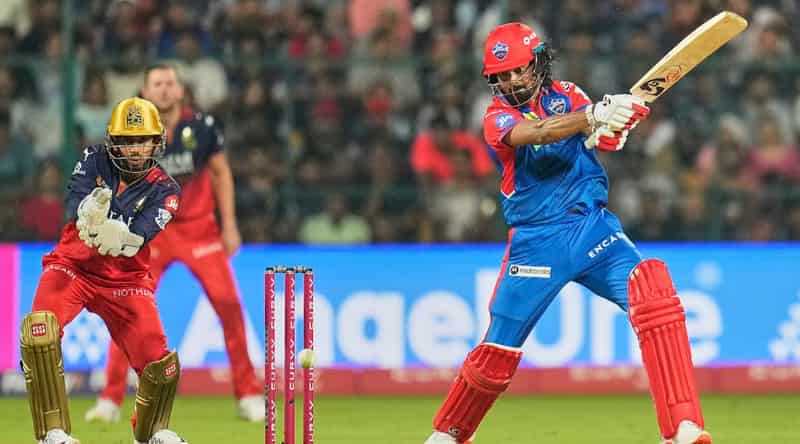
Bhuvneshwar Kumar and Jos Hazlewood each took three wickets, leaving every DC batter in single digits. It broke the previous record of 14 that had stood since 2009.
2. Rajasthan Royals – 14/2 vs RCB (18 April 2009)
Played during the IPL’s only South African edition, the Rajasthan Royals managed just 14/2 at Newlands, Cape Town under overcast conditions ideal for swing bowling.
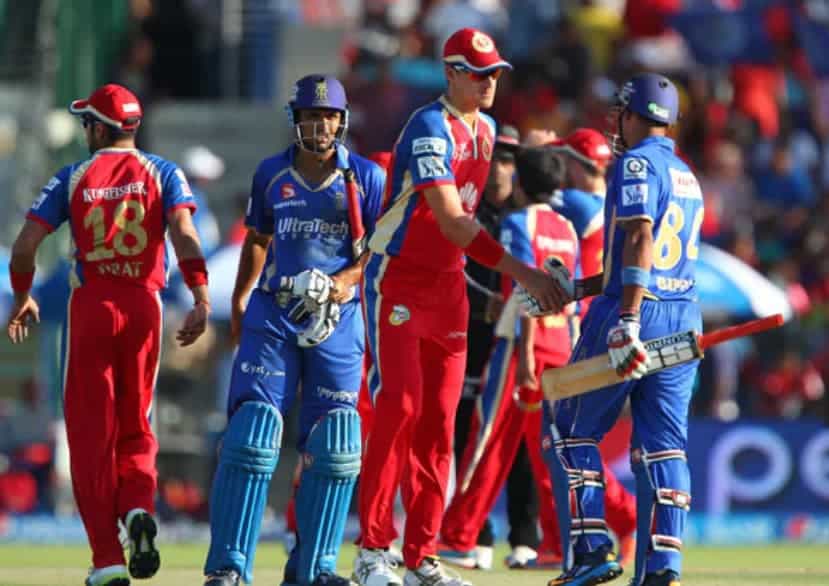
RCB’s attack was relentless from the first over, leaving the Royals’ top order helpless. This score held the record for nearly two decades before DC’s 2026 collapse finally surpassed it.
3. Sunrisers Hyderabad – 14/3 vs Rajasthan Royals (29 March 2022)
SRH matched RR’s tally of 14 runs in Pune but lost three wickets in the process, arguably a worse position to be in.
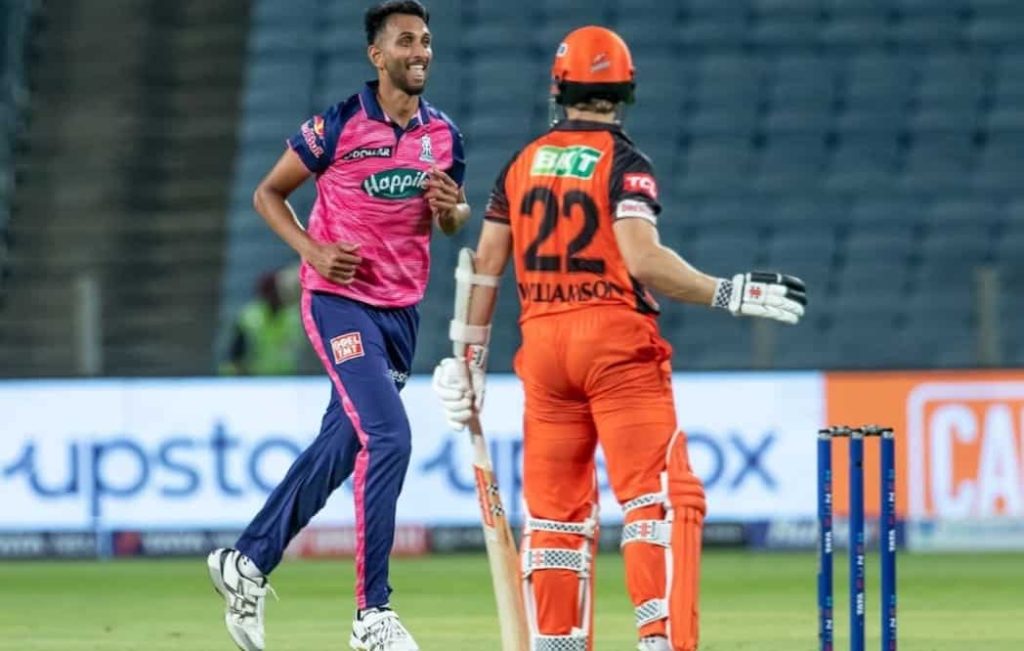
Rajasthan’s bowlers were clinical throughout, offering no width and picking up wickets at regular intervals. The score of 14/3 jointly held the record until Delhi’s 2026 batting meltdown.
4. Chennai Super Kings – 15/2 vs KKR (07 May 2011)
CSK, one of IPL’s most decorated franchises, could only manage 15/2 at Eden Gardens against KKR.
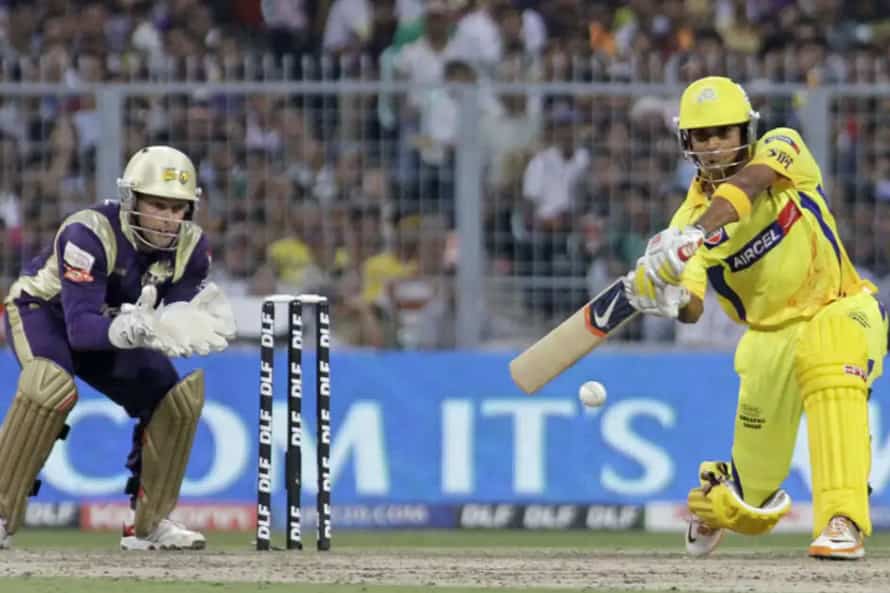
The lively Kolkata pitch gave the KKR bowlers plenty of assistance, and CSK were unable to rotate strike or find the boundary. It remains one of the most surprising low powerplay scores given the quality of the CSK batting lineup.
5. Chennai Super Kings – 16/1 vs Delhi Capitals (12 May 2015)
Notably, CSK lost just one wicket yet still managed only 16 runs, making this less about a collapse and more about a masterclass in disciplined bowling by Delhi.
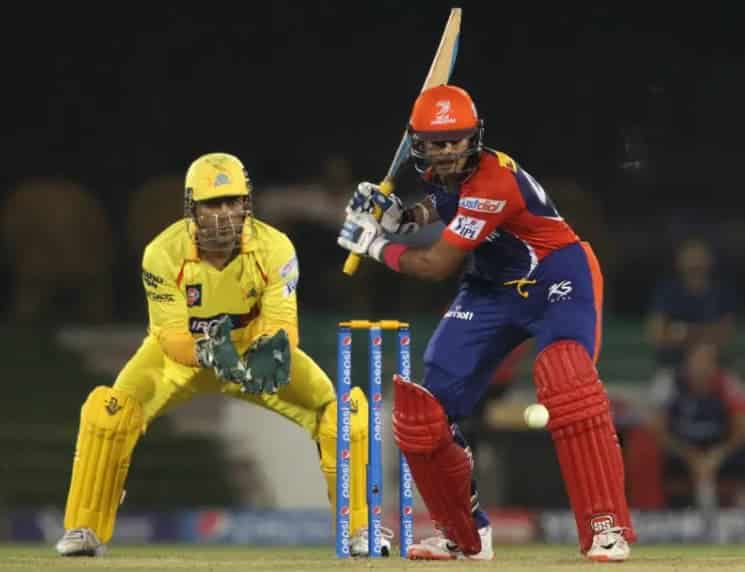
CSK’s batters were tied down ball after ball, unable to find gaps or generate any meaningful scoring momentum during the powerplay.
Why Do Teams Post Such Low Powerplay Scores in IPL?
The powerplay is designed to favour batters, yet history shows that conditions, bowling quality, and momentum can quickly flip that advantage on its head. Several factors consistently contribute to the lowest powerplay scores in IPL history.
- Seam and swing conditions — Overcast skies or fresh pitches help fast bowlers generate movement early, as seen in Cape Town (2009) and Delhi (2026).
- Losing multiple wickets early — Six wickets down in six overs, as DC experienced in 2026, makes any recovery virtually impossible.
- Elite bowling spells — When two bowlers peak simultaneously, like Bhuvneshwar and Hazlewood against DC, batting becomes near-impossible.
- Unfamiliar or neutral venues — Grounds like Cape Town, Abu Dhabi, Sharjah, and Raipur have produced sluggish powerplay totals repeatedly.
CSK’s Unwanted Triple Appearance in the Top 10
Few statistics on this list are as striking as Chennai Super Kings appearing three times in the top six lowest powerplay scores in IPL history, in 2011, 2015, and 2019.
The four-time IPL champions have proven that even the most battle-hardened batting lineups are vulnerable in the first six overs. Their 2019 entry at home in Chennai makes it all the more remarkable.
Also Read:
Final Word: DC Recorded Lowest Powerplay Scores in IPL History!
The lowest score in the powerplay in IPL history is now 13/6, recorded by Delhi Capitals against RCB on 27 April 2026.
From Newlands in 2009 to Eden Gardens in 2011 to Delhi in 2026, these powerplay disasters are proof that T20 cricket remains beautifully unpredictable, and that no batting lineup is ever safe once the ball starts moving in the early overs.