India has won the Hockey Asia Cup four times: 2003, 2007, 2017, and 2025. Each title came from a different set of players, but the same pattern holds: a few individuals carried the team when it mattered most.
This list covers ten players. Five built the foundation. Five won the 2025 title in Rajgir, Bihar.
Top Indian Players in Hockey Asia Cup History
The players here were picked on four things: goals scored, defensive work, leadership, and performance in key matches. No single factor decided the ranking; it was the combination.
| No | Player | Position | Asia Cup Contribution | Notable Year |
|---|---|---|---|---|
| 1 | Dhanraj Pillay | Forward | Led India to its first-ever title | 2003 |
| 2 | Dilip Tirkey | Defender | Two gold medals, 412 caps | 2003, 2007 |
| 3 | Sandeep Singh | Defender/Drag-flicker | Penalty corner specialist | Mid-2000s |
| 4 | Sardar Singh | Midfielder | Captain, 2017 title | 2017 |
| 5 | Manpreet Singh | Midfielder | 2017 and 2025 squad leader | 2017, 2025 |
| 6 | Harmanpreet Singh | Captain/Defender | Hat-trick vs China, most assists in 2025 final | 2025 |
| 7 | Abhishek Nain | Forward | Best Player, 6 goals in 2025 | 2025 |
| 8 | Dilpreet Singh | Forward | 2 goals in 2025 final, Player of the Match | 2025 |
| 9 | Sukhjeet Singh | Forward | Scored in 30 seconds in 2025 final | 2025 |
| 10 | Amit Rohidas | Defender | First rusher, scored 4th goal in 2025 final | 2025 |
These five players shaped what Indian hockey looked like in Asia between 2003 and 2017.
1. Dhanraj Pillay: Forward
| Position | Forward |
| Asia Cup Titles | 1 (2003) |
| International Caps | 339 |
| Role in Asia Cup | Captain, primary attacker |
| Career Span | 1989 – 2004 |
| Key Tournament | 2003 Asia Cup |
| Signature Skill | Dribbling, close control |
| Legacy | First Indian to captain Asia Cup winning team |
Pillay led India to its first Asia Cup title in 2003. His ability to turn in tight spaces and beat defenders created chances that did not exist a second earlier.
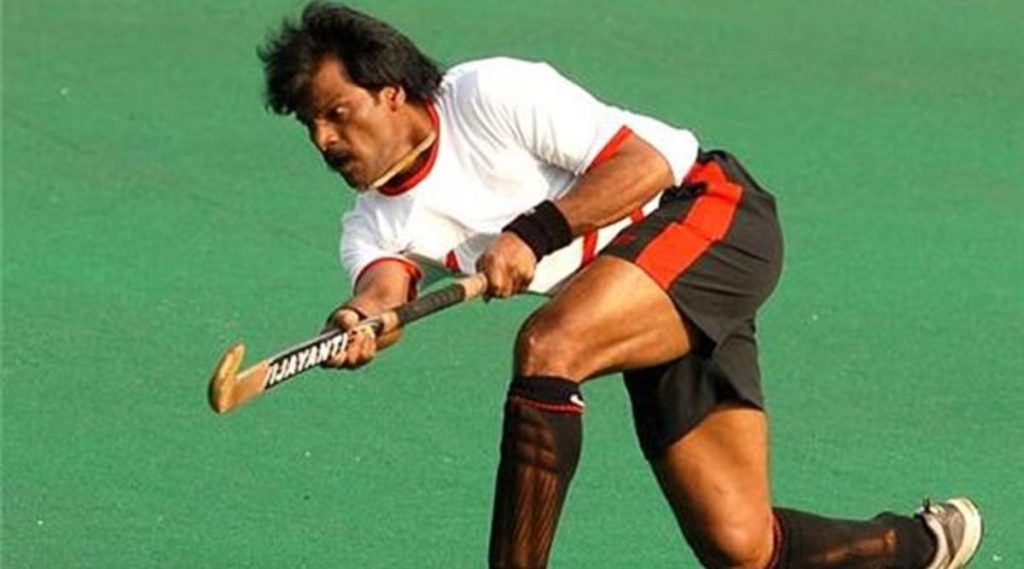
Opposing teams built game plans around stopping him most of the time, but it did not work. He represented India in four Olympics, four World Cups, and four Asia Cups across 16 years. The 2003 title was the peak.
His presence made teammates better by pulling defensive attention away from everyone else.
2. Dilip Tirkey: Defender
| Position | Defender |
| Asia Cup Titles | 2 (2003, 2007) |
| International Caps | 412 |
| Role in the Asia Cup | Defensive anchor, captain |
| Career Span | 1995 – 2008 |
| Key Tournaments | 2003, 2007 Asia Cup |
| Signature Skill | Positional defending, physical duels |
| Legacy | One of India’s most capped defenders ever |
Tirkey was a central defender whose job was preventing goals, not scoring them. He read attacking moves early, cut passing lanes, and used physical strength to win challenges without conceding penalty corners.
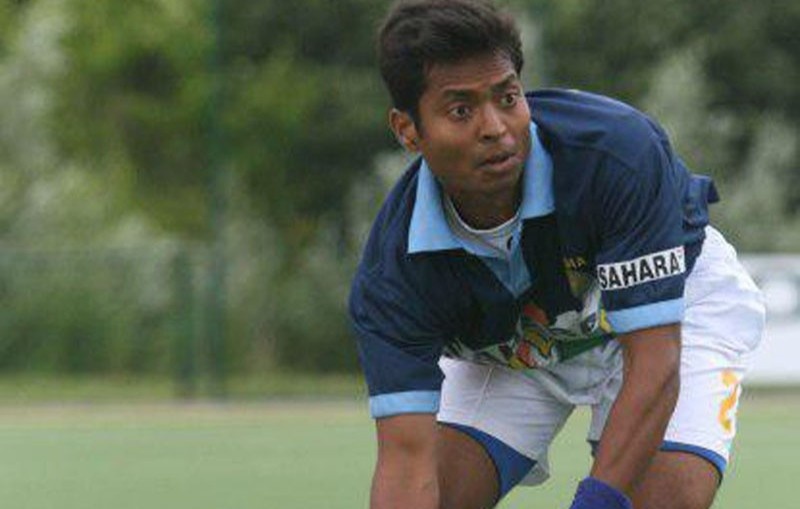
In 2003 and 2007, India’s defence held because Tirkey anchored it. He captained India at various points and brought the same quality to leadership that he brought to defending steadily, focused, without drama.
One of the most capped Indian hockey players ever. The two gold medals confirm his place among the greats.
3. Sandeep Singh: Defender / Drag-flicker
| Position | Defender / Drag-flicker |
| Nickname | Sultan of Drag Flick |
| Drag-flick Speed | Above 140 km/h |
| Career Span | 2004 – 2016 |
| Key Role | Penalty corner specialist |
| Notable Fact | Returned after a gunshot injury in 2006 |
| Signature Skill | Drag-flick power and accuracy |
| Legacy | One of Asia’s most feared penalty corner takers |
Sandeep was accidentally shot on a train in 2006. He came back and became one of Asia’s most feared drag-flickers. His penalty corner shot travelled above 140 km/h. Goalkeepers had fractions of a second to react.
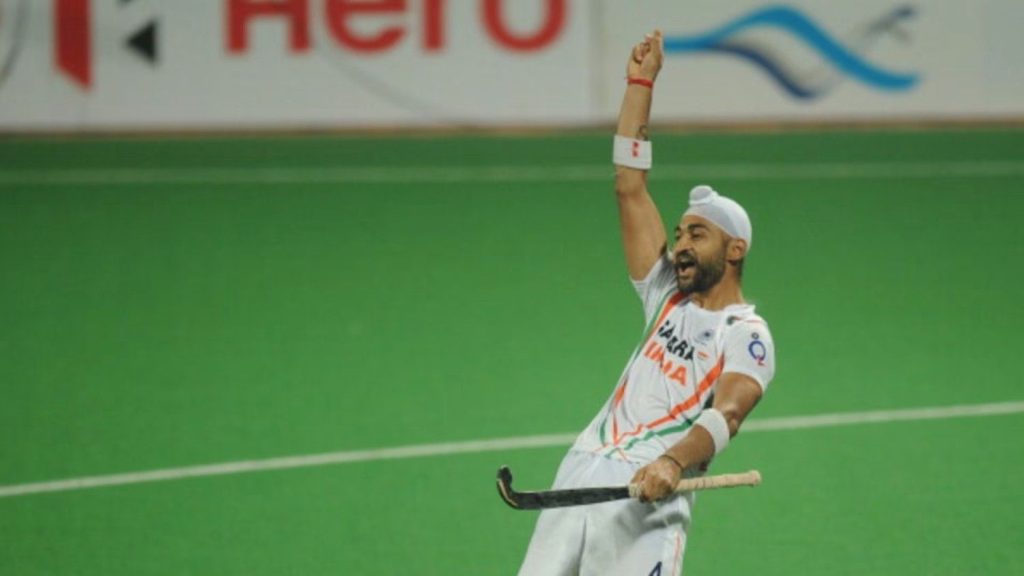
During the mid-2000s, teams knew exactly what was coming when India earned a corner. Sandeep would drag the ball, which would move fast, and stopping it required a perfect response.
That predictable-yet-unstoppable weapon gave India a decisive edge in Asian competition. His nicknames “Flicker Singh” and “Sultan of Drag Flick” stuck because they were accurate.
4. Sardar Singh: Midfielder
| Position | Midfielder |
| Asia Cup Titles | 1 (2017) |
| FIH Player of the Year | Nomination |
| International Caps | 356 |
| Role in the Asia Cup | Captain, midfield controller |
| Career Span | 2006 – 2019 |
| Signature Skill | Vision, passing timing |
| Legacy | Led India to the 2017 title as senior leader |
Sardar captained India to the 2017 Asia Cup title and was nominated for the FIH Player of the Year award in 2012. His passing was not just accurate but timed.
He knew when teammates were making runs before they knew it themselves. The 2017 campaign required control across multiple matches, not one big performance.
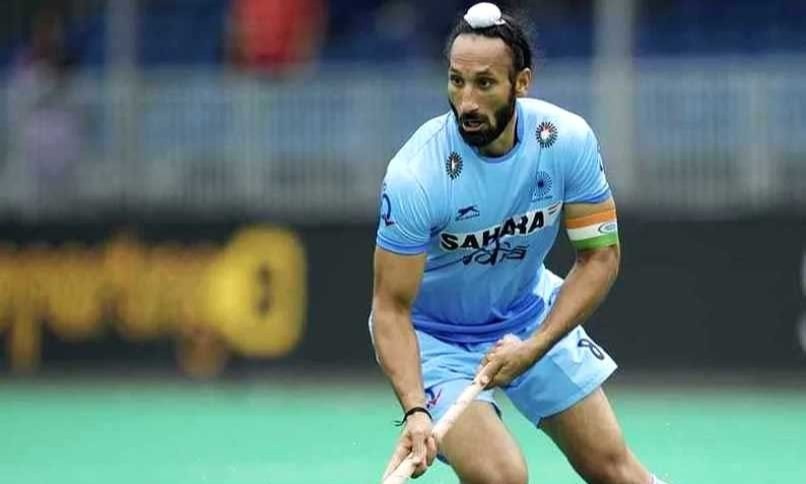
Sardar provided that. He kept India organised under pressure, trusted teammates to finish what he created, and delivered the title. His midfield work was the reason India’s 2017 campaign rarely looked rushed or uncertain.
5. Manpreet Singh: Midfielder
| Position | Midfielder |
| Asia Cup Titles | 1 (2017) + 2025 squad |
| FIH Player of the Year | 2019 |
| Olympic Medal | Bronze, Tokyo 2020 |
| Career Span | 2011 – Present |
| Role in Asia Cup | Engine of midfield, captain |
| Signature Skill | Work rate, ball recovery |
| Legacy | Active across three Asia Cup title campaigns |
Manpreet was part of the 2017 Asia Cup squad and remained in the 2025 squad for eight years at the top of Asian hockey in the most physically demanding position on the field.
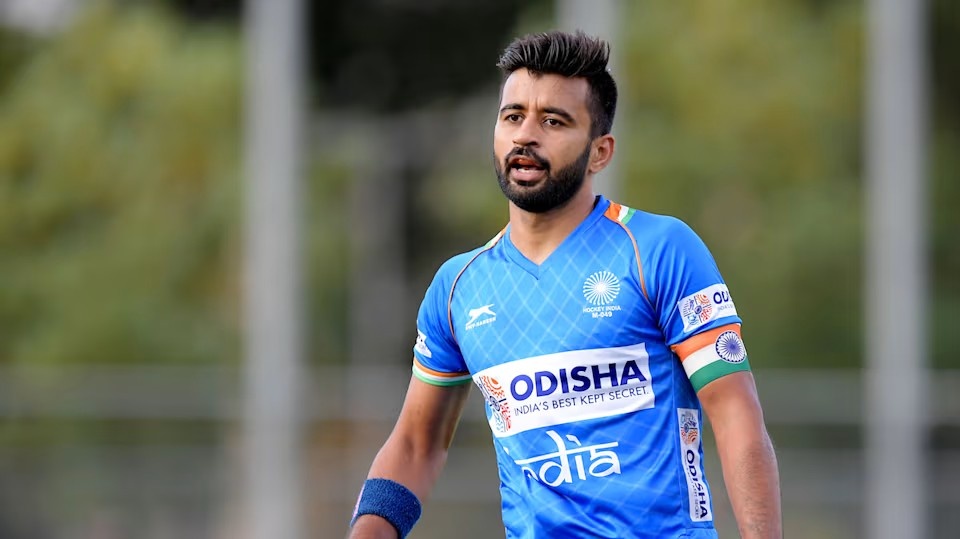
He won FIH Player of the Year in 2019 and captained India to a bronze medal at the 2020 Tokyo Olympics. His style is not flashy; he wins the ball, moves it quickly, and gets back into position.
That cycle gives teammates more time and space. When Manpreet plays well, the whole team functions better. His longevity alone sets him apart.
South Korea was beaten by India 4–1 in the final held in Rajgir, Bihar. Here is how each of the five standout performers contributed.
6. Harmanpreet Singh: Captain / Defender
| Position | Defender / Drag-flicker |
| Nickname | Sarpanch |
| 2025 Asia Cup | Hat-trick vs China, most assists in final |
| Role | Captain, penalty corner specialist |
| Career Span | 2014 – Present |
| Signature Skill | Drag-flick accuracy under pressure |
| Leadership | Captain of the 2025 Asia Cup-winning team |
| Legacy | Best drag-flicker in current Indian hockey |
Known as “Sarpanch,” Harmanpreet scored a hat-trick against China before the final three penalty corner goals when every team had already studied his technique.
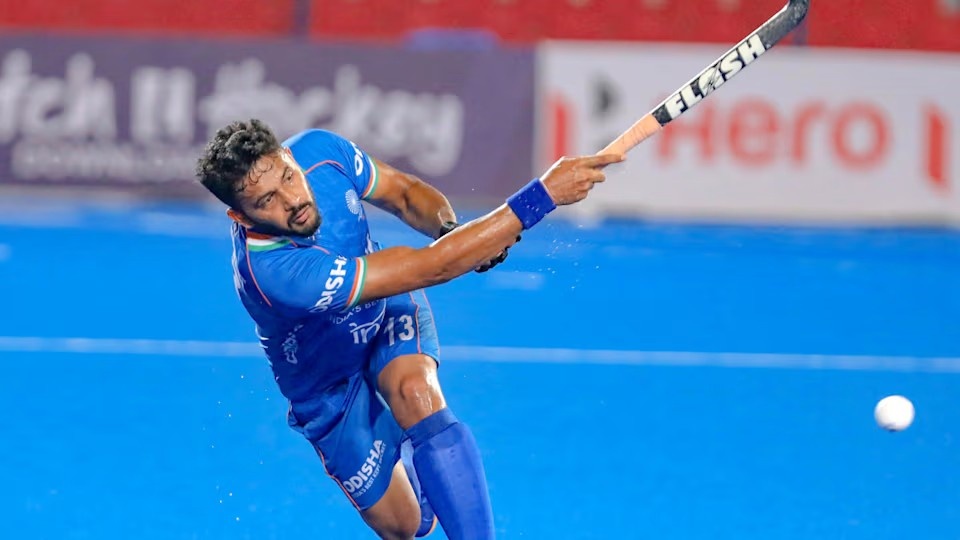
In the final against South Korea, he shifted to a creator role, finishing with the most assists in the match. That flexibility, moving from primary scorer to facilitator depending on what the team needs, defines his value.
He organises the defence, sets the standard for how India handles opposition penalty corners, and owns every decision he makes on the pitch.
7. Abhishek Nain: Forward
| Position | Forward |
| 2025 Asia Cup Goals | 6 |
| Tournament Award | Best Player of the Tournament |
| Goal Spread | Group stage, knockouts, and final |
| Signature Skill | Positioning, direct finishing |
| Role | Primary striker, 2025 campaign |
| Career Span | Active – Present |
| Legacy | India’s most productive attacker in the 2025 Asia Cup |
Six goals in the 2025 Asia Cup. Best Player of the Tournament. Nain scored across group stages, knockouts, and the final, meaning his output was consistent, not a single-match spike.
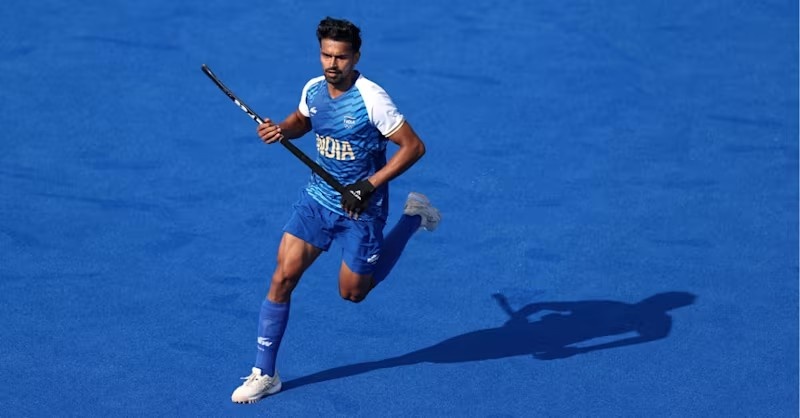
He read attacking situations quickly, knew when to run and when to wait, and finished without hesitation. The Best Player award reflected his contribution across all matches, not just the goals column.
8. Dilpreet Singh: Forward
| Position | Forward |
| 2025 Final Goals | 2 |
| Match Award | Player of the Match — 2025 Final |
| Opponent in Final | South Korea |
| Signature Skill | Direct running, forcing defenders |
| Defensive Contribution | Tracked back throughout the final |
| Career Span | Active – Present |
| Legacy | Two-goal hero of India’s 2025 Asia Cup final |
Dilpreet scored twice in the 2025 Asia Cup final and was named Player of the Match. In finals, every decision is examined, scoring once is significant, scoring twice is a career-defining performance.
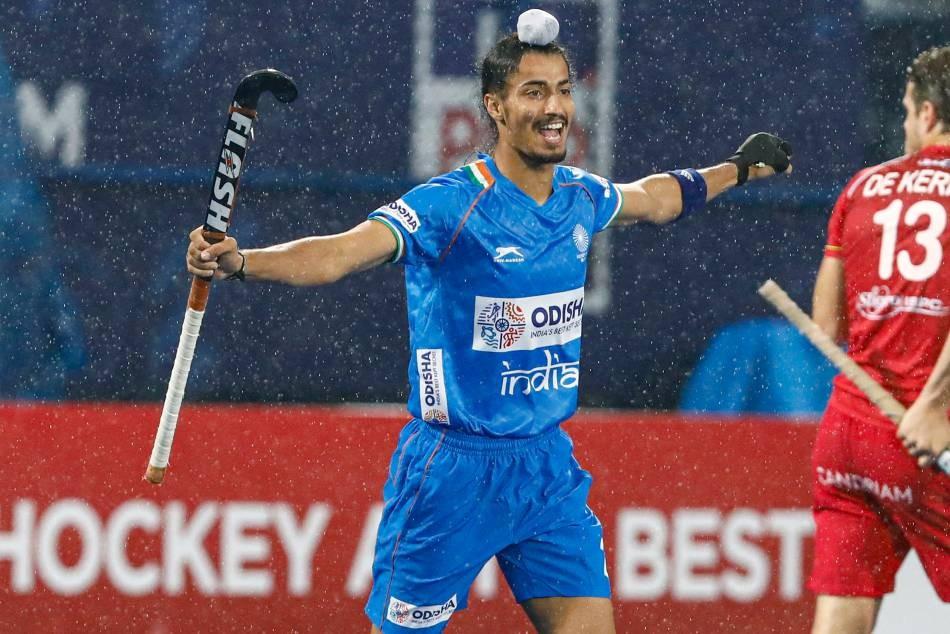
Beyond the goals, he tracked back defensively, held the ball under pressure in the attacking third, and created chances for teammates. His style involves direct running at defenders, forcing them to commit and opening space for others.
Two goals, Player of the Match, and India’s fourth Asia Cup title. Dilpreet’s name is attached to all three.
9. Sukhjeet Singh: Forward
| Position | Forward |
| 2025 Final Goal | Scored in 30 seconds |
| Impact | Forced South Korea to chase from minute one |
| Signature Skill | Acceleration, first-step speed |
| Role | Opening attacker, 2025 final |
| Career Span | Active – Present |
| Fastest Final Goal | 30 seconds into the 2025 Asia Cup final |
| Legacy | Set the tone for India’s title-winning final |
The 2025 final was 30 seconds old when Sukhjeet scored. That goal forced South Korea to abandon their pre-match plan and chase the game from the first minute, a shift that shaped the entire final.
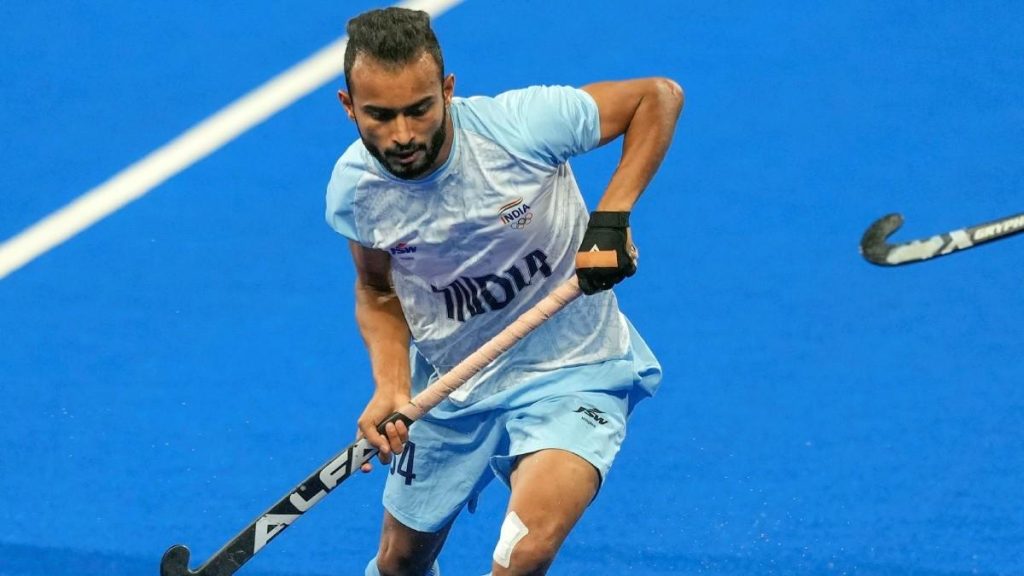
Scoring that fast requires correct positioning before the ball arrives and a clean finish under pressure. Sukhjeet delivered both. His defining quality is starting speed, the ability to accelerate into space before a defender adjusts.
The 30-second goal is the moment people will remember. But this aggressive, direct approach is not a one-off. It is how he plays every match.
10. Amit Rohidas: Defender
| Position | Defender |
| 2025 Final Goal | Scored the 4th goal vs South Korea |
| Specialist Role | First rusher on penalty corners |
| Ball Speed Faced | Above 100 km/h as first rusher |
| Signature Skill | Speed off the line, one-on-one defending |
| Career Span | Active – Present |
| Defensive Style | Disciplined, tracks forwards without overcommitting |
| Legacy | Unsung defensive backbone of the 2025 title win |
Rohidas scored the fourth goal in the 2025 final, completing the 4–1 scoreline. But his primary role is as “first rusher” on penalty corners, charging at the drag-flicker the moment the ball is injected.
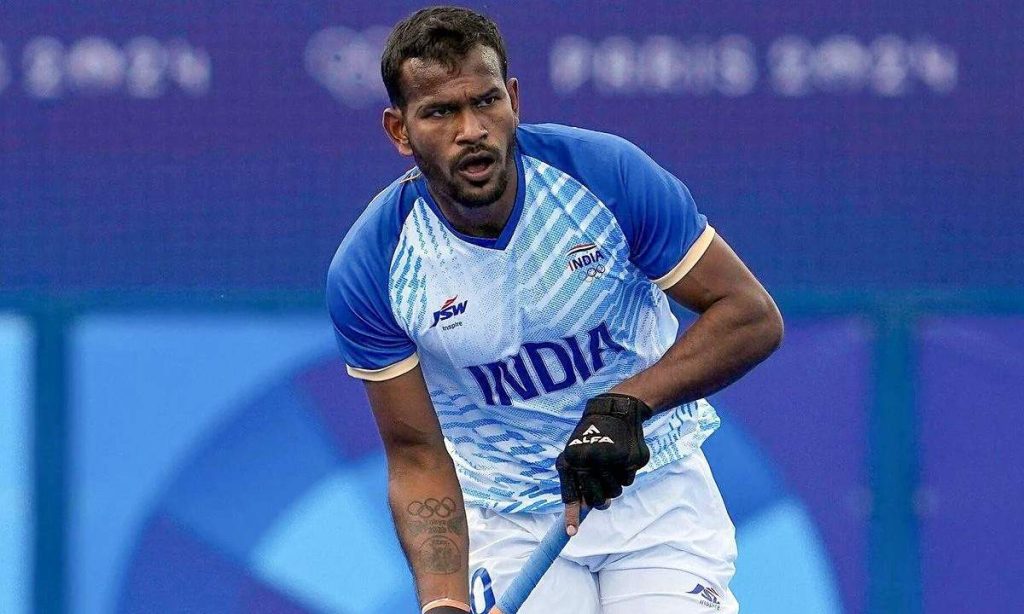
It forces opposition teams to change their standard routines. It requires speed and the willingness to put your body in front of a ball travelling above 100 km/h.
That takes a specific kind of courage. Beyond set pieces, he is a reliable one-on-one defender who tracks forwards and stays disciplined. The final goal was visible. The defensive work across the tournament was the real contribution.
How the List Was Built
- Goals Scored: Drag-flicks, open play, penalty corners
- Defensive Impact: Blocks, clearances, opposition denied
- Leadership: Captaincy, match influence, team direction
- Awards: Player of the Match, tournament honours
India’s Performance in The Hockey Asia Cup
India has won four of the last seven Asia Cup editions. Different squads, different captains, different host cities, same outcome.
| Year | Result |
|---|---|
| 2003 | Champions |
| 2007 | Champions |
| 2009 | Runners-up |
| 2017 | Champions |
| 2022 | Third Place |
| 2025 | Champions |
The players change, but the standard does not drop. That consistency is not accidental. It comes from a system that keeps producing match-winners across generations.
Suggested Reads:
Conclusion: Dhanraj Pillay Remains The Top Hockey Player In India
Four titles. Ten players across two generations. The 2003 win under Dhanraj Pillay started something. The 2025 win under Harmanpreet Singh continued it.
What connects both eras is not one playing style, it is players who performed in finals, not just group stages.
Pillay in 2003, Sardar in 2017, Dilpreet and Sukhjeet in 2025. India keeps finding those players. That is why the titles keep coming.
FAQ
Dhanraj Pillay is the most recognised name historically. Among current players, Harmanpreet Singh holds that status nationally and internationally.
Harmanpreet Singh captained India in the 2025 Asia Cup and led the team to the title in Rajgir, Bihar.
He captained India to its first Asia Cup title in 2003 and represented India in four Olympics, four World Cups, and four Asia Cups.
India is among the top-ranked teams globally. Check the official FIH website for confirmed 2026 qualification details.
Harmanpreet Singh, Abhishek Nain, Dilpreet Singh, Amit Rohidas, and Sukhjeet Singh were India’s standout performers in the 2025 Asia Cup.
Dhanraj Pillay holds that title historically. Dhyan Chand is considered the all-time legend from an earlier era of Indian hockey.
India won the 2025 Asia Cup, beating South Korea 4–1 in the final, making them the current top team in Asia.
Top-grade Hockey India contracts are estimated at ₹30–50 lakh per year, plus match fees and sponsorship income. Official figures are not disclosed.
Key players included Harmanpreet Singh, Abhishek Nain, Dilpreet Singh, Sukhjeet Singh, Amit Rohidas, and Manpreet Singh.
Jamie Dwyer of Australia and Teun de Nooijer of the Netherlands are widely cited globally. In India, Dhyan Chand holds that status.
Estimated ₹30–50 lakh annually under Hockey India’s Grade A contract, plus endorsement income. Exact figures are not publicly confirmed by Hockey India.