North Korea stands out as one of the toughest teams to score against in AFC Women’s Asian Cup history. Across 53 matches during their peak years, they let in just 38 goals. China matched that number but needed 75 matches to reach the same total, playing 22 more games. That gap highlights how solid North Korea’s backline truly was over the course of multiple tournaments.
North Korea’s Best Defensive Stats
North Korea’s defensive numbers across the AFC Women’s Asian Cup tell a powerful story. They conceded only 38 goals in 53 matches, averaging just 0.72 goals per game. China, often seen as the tournament’s greatest force, allowed the same number of goals but across 75 matches. That means North Korea kept a tighter defensive record despite playing far fewer games.
Their title-winning runs in 2001, 2003, and 2008 highlight how hard it was to break them down. The 2001 campaign stands out in particular. North Korea scored 53 goals in just 6 matches that year, a tournament record that still holds today.
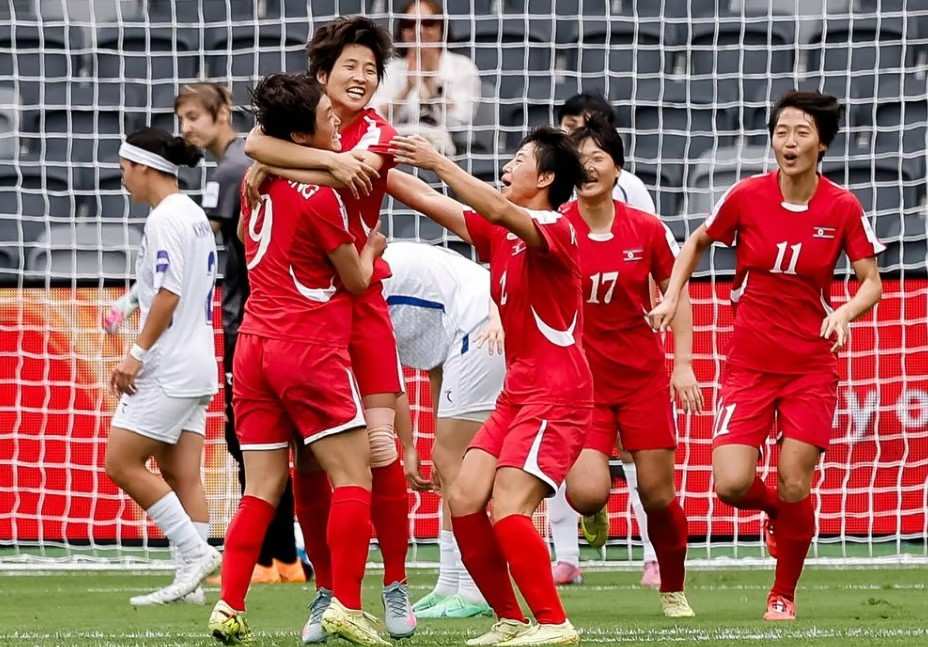
While that attack grabbed the headlines, their defense stayed equally sharp throughout. They also reached three more finals as runners-up, proving they could compete at the highest level across multiple cycles.
After a 16-year absence from the tournament, North Korea returned at the 2026 edition in Australia and picked up right where they left off. In their first two group matches, they beat Uzbekistan 3–0 and Bangladesh 5–0, scoring 8 goals without conceding a single one.
They fired 59 shots across those two games, while allowing Bangladesh just 0 shots on target and Uzbekistan only 1. Myong Yu Jong led the attack with four goals, but it was the team’s compact shape and relentless pressing that kept opponents from creating anything meaningful.
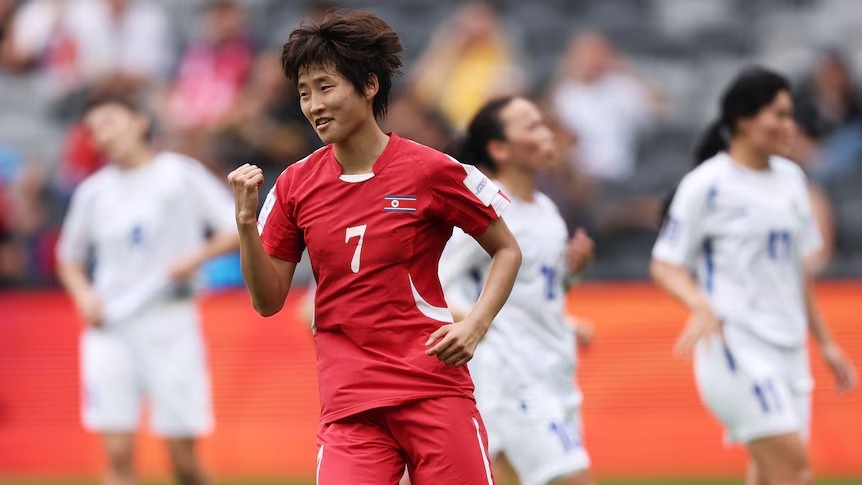
Their style has always centered on tight organization, quick transitions, and a refusal to give opponents space. Whether in the early 2000s or the current 2026 campaign, that identity has stayed the same. North Korea remains one of the most defensively sound teams in AFC Women’s Asian Cup history.
Other Standout Defensive Efforts Across Different Editions
Here are some Standout defensive efforts shown by India, China, and Japan in different editions.
- India 2026 (Qualifiers): India shipped just 1 goal across 4 qualification matches. They defeated Mongolia 13–0, Timor-Leste 4–0, and Iraq 5–0, and edged Thailand 2–1 in a must-win final group game to earn their spot in Australia.
- China (2022): China relied on fierce pressing and organized defending during the knockout rounds in India. They held Japan to just 2 open-play goals in a tense semifinal before winning on penalties, and then staged a stunning 3–2 comeback against South Korea in the final to lift a record ninth title.
- Japan (2026): Japan opened the 2026 tournament in Australia with two clean sheets in a row. They shut out Chinese Taipei 2–0 in their first match and then demolished India 11–0 in their second, showing total control at both ends of the pitch.
Key Defensive Highlights
North Korea’s Consistency: North Korea won three AFC Women’s Asian Cup titles in 2001, 2003, and 2008. Their ability to stay compact and limit chances carried them through tournament after tournament. Few teams in Asian football have matched their defensive discipline over such a long stretch. Scoring against them required patience, precision, and a bit of luck.
India’s Performance: India had not qualified for the AFC Women’s Asian Cup on merit since 2003. Their 2026 qualifying campaign marked a major shift. Under coach Crispin Chhetri, the Blue Tigresses won all four group matches in Thailand, conceding only once. Sangita Basfore’s brace against the hosts in the final game sealed a memorable return to the continental stage after 22 years.
More Related Topics:
North Korea Stands Out To Be The Most Defensive Team In The AFC Women’s Asia Cup
Today’s top teams in the AFC Women’s Asian Cup build their game around keeping the ball and staying organized without it. Japan’s 80% possession against India in 2026 is a clear example of this approach. Teams that control the tempo rarely give opponents room to attack. Strong shape, quick pressing, and smart positioning now define the best defensive sides in Asian women’s football.