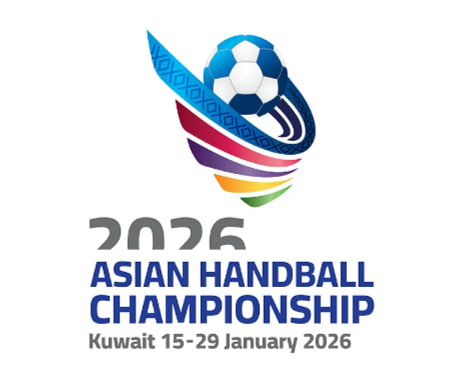
The Asian Men’s Handball Championship 2026 promises to showcase the continent’s finest handball talent across multiple groups and qualifying rounds. The 2026 edition features 16 qualified nations competing for continental supremacy and valuable qualification spots for future global tournaments.
Teams from the Gulf region, East Asia, and emerging handball nations will battle across four groups in what promises to be an intensely contested championship showcasing the sport’s growth across Asia.
Asian Men’s Handball Championship Seeding
The tournament’s seeding system divides the 16 participating teams into four pots based on their previous championship performances and current Asian Handball Federation rankings. This structured approach ensures balanced group distribution and competitive matchups throughout the preliminary rounds.
The seeding reflects each nation’s recent handball achievements and competitive strength within the Asian confederation.
| POT 1 | POT 2 | POT 3 | POT 4 |
|---|---|---|---|
| Qatar | South Korea | Saudi Arabia | India |
| Japan | Iran | China | Australia |
| Bahrain | United Arab Emirates | Oman | Jordan |
| Kuwait | Iraq | Hong Kong | Jordan |
These seeding pots help ensure balanced group formations by separating stronger teams from emerging sides, reducing early mismatches, and maintaining competitive fairness throughout the group stage.
List of Teams Participating in Asian Men’s Handball Championship 2026
Sixteen nations have secured their places in the 2026 Asian Men’s Handball Championship, representing diverse regions across the continent.

These teams have earned qualification through regional tournaments and ranking positions, bringing together established powerhouses and developing handball nations in a comprehensive continental showdown.
Group A
| Position | Team |
|---|---|
| A1 | Qatar |
| A2 | South Korea |
| A3 | Oman |
Group A features Qatar, the top-seeded host nation, alongside South Korea’s disciplined squad and Oman’s resilient team. This group combines traditional Gulf strength with East Asian technical proficiency in what promises to be a fascinating preliminary phase.
Group B
| Position | Team |
|---|---|
| B1 | Bahrain |
| B2 | Iraq |
| B3 | China |
| B4 | Jorden |
Group B brings together defending champions Bahrain with Iraq’s improving program, China’s developing handball infrastructure, and Jordan’s competitive Middle Eastern squad. The defending champions will face stern tests from ambitious challengers seeking to establish their credentials.
Group C
| Position | Team |
|---|---|
| C1 | Kuwait |
| C2 | United Arab Emirates |
| C3 | Hong Kong |
| C4 | India |
Group C features Kuwait’s established program alongside the UAE’s growing handball ambitions, Hong Kong’s East Asian representation, and India’s emerging squad. This group showcases the championship’s role in developing handball across diverse Asian regions and competitive levels.
Group D
| Position | Team |
|---|---|
| D1 | Japan |
| D2 | Iran |
| D3 | Saudi Arabia |
| D4 | Australia |
Group D presents a compelling mix with Japan’s technical excellence, Iran’s physical style, Saudi Arabia’s Gulf strength, and Australia representing Oceanian participation. This group combines different handball philosophies and regional playing styles in competitive balance.
Asian Men’s Handball Championship 2026 Team-by-Team Breakdown
Brief profiles of each team participating in the Asian Men’s Handball Championship 2026, grouped by their tournament pools.
1. Qatar
Qatar enters as top seed and potential host nation with a strong handball infrastructure supported by professional leagues and international experience. The team combines experienced players with emerging talent, built around a core that has consistently competed at Asian championships.
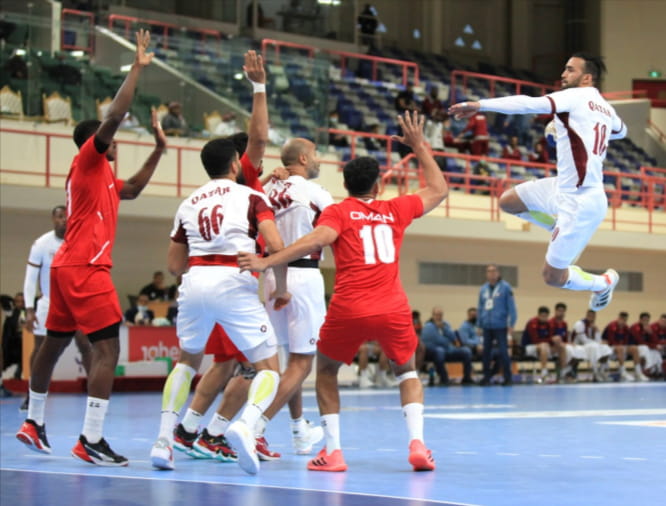
Qatar’s technical proficiency and tactical discipline make them serious contenders for the title, backed by home advantage if hosting duties are confirmed.
2. South Korea
South Korea brings East Asian precision and systematic team play to the championship, representing a nation with strong sporting infrastructure and disciplined tactical approaches. The team typically features well-coordinated defensive systems and patient offensive strategies.
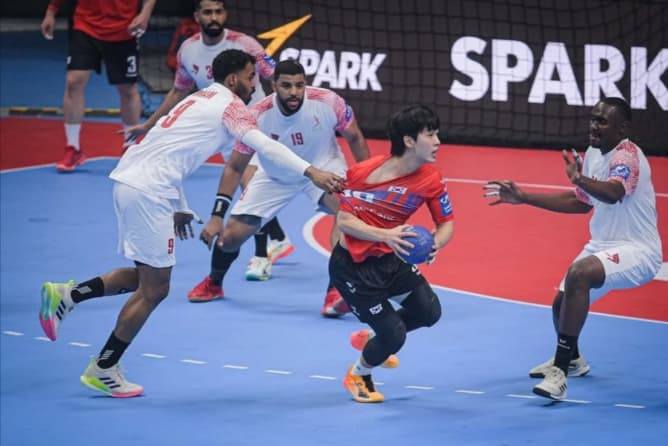
South Korea’s handball program benefits from organized youth development and professional domestic competition, producing technically skilled players who execute game plans effectively.
3. Oman
Oman represents the Gulf region’s developing handball scene with improving infrastructure and competitive ambitions at the Asian level. The team has shown steady progress in recent years through investment in coaching and player development.
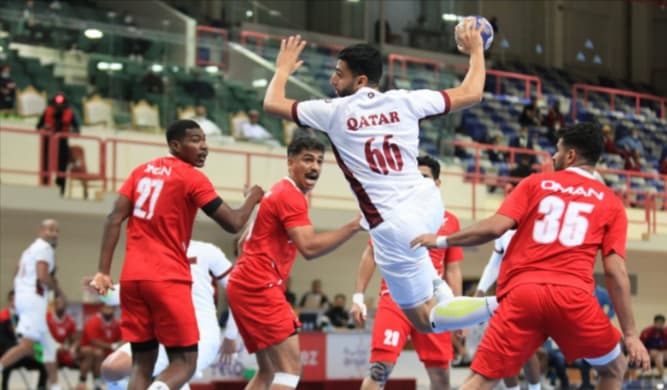
Oman’s participation reflects the nation’s commitment to expanding its handball program and competing against more established Asian nations in championship settings.
4. Bahrain
Bahrain enters as the reigning 2024 champion, demonstrating the nation’s handball strength and competitive infrastructure within the Asian confederation. The team has established itself as a perennial contender through consistent performances and strategic investment in the sport.
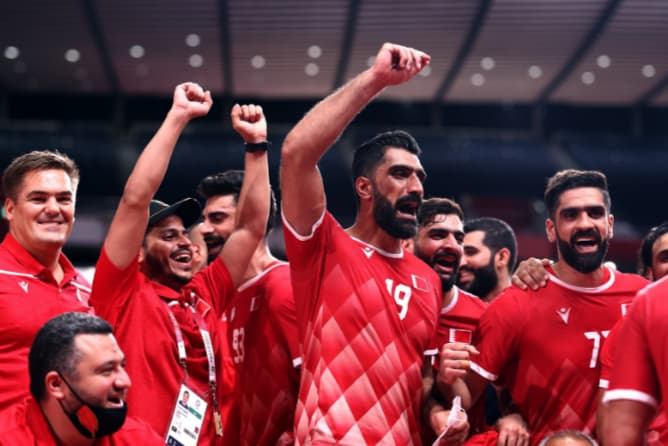
Bahrain’s success reflects professional league quality, experienced coaching, and players who compete at high levels both domestically and internationally.
5. Iraq
Iraq brings determination and improving quality to the championship, representing a nation rebuilding its handball infrastructure amid broader sporting development. The team has shown progress in recent regional competitions and fields of increasingly competitive squads.
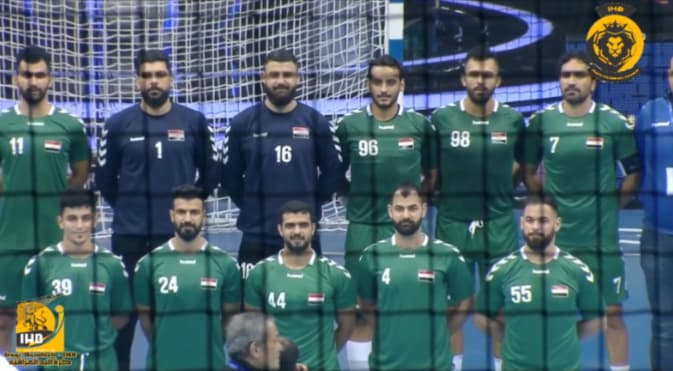
Iraq’s handball program benefits from passionate support and players eager to establish themselves on the continental stage.
6. China
China represents East Asia’s most populous nation with developing handball ambitions and improving competitive infrastructure. The team benefits from China’s broader sporting system and investment in less traditional sports.
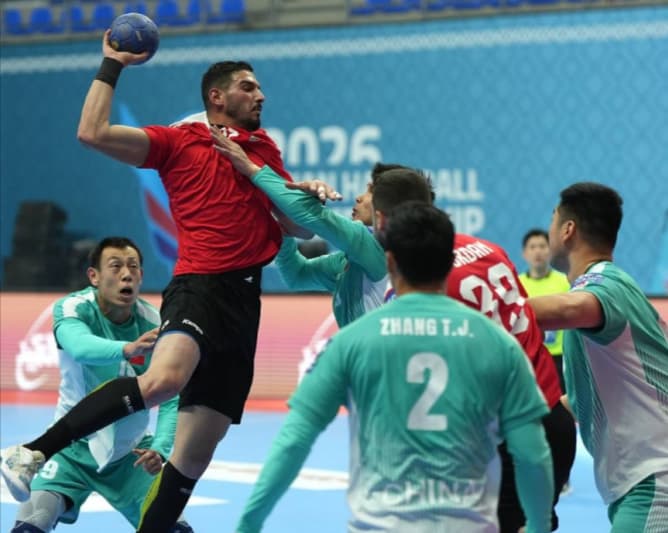
While handball remains a developing sport in China compared to other Asian nations, the program shows steady improvement through systematic youth development and professional coaching approaches.
7. Jordan
Jordan brings a Middle Eastern competitive spirit and developing handball infrastructure to the championship. The team represents a nation investing in handball development and seeking to compete with more established regional powers.
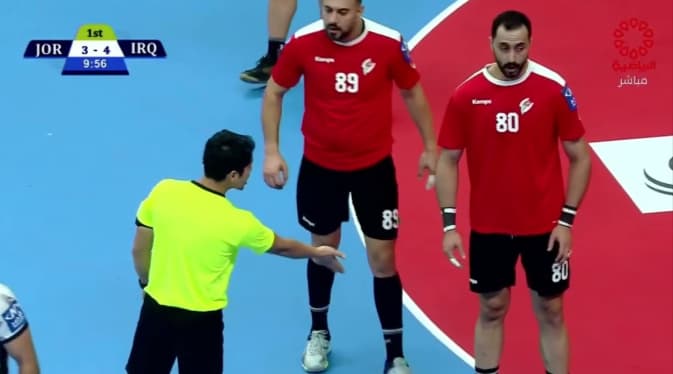
Jordan’s program benefits from regional competition exposure and players who compete in various Middle Eastern leagues, building experience and tactical understanding.
8. Kuwait
Kuwait enters as a Pot 1 team, reflecting consistent competitive performances in Asian handball and strong Gulf region infrastructure. The team has established itself through regular championship participation and domestic league quality.
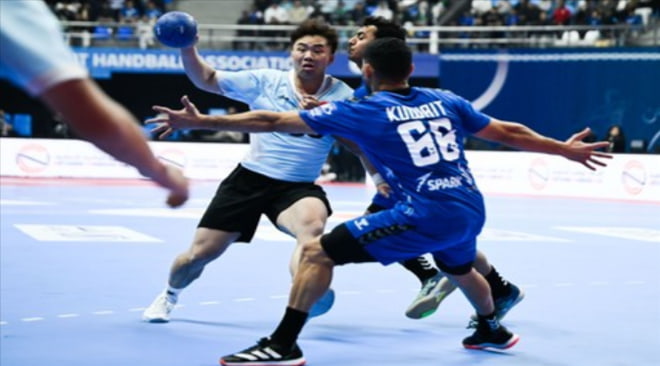
Kuwait’s handball program benefits from organized development systems, experienced coaching, and players who compete at high levels within the competitive Gulf handball environment.
9. United Arab Emirates
The UAE represents the Gulf’s growing handball ambitions with investment in sports infrastructure and developing competitive programs. The team has shown improvement through strategic planning and participation in regional competitions.
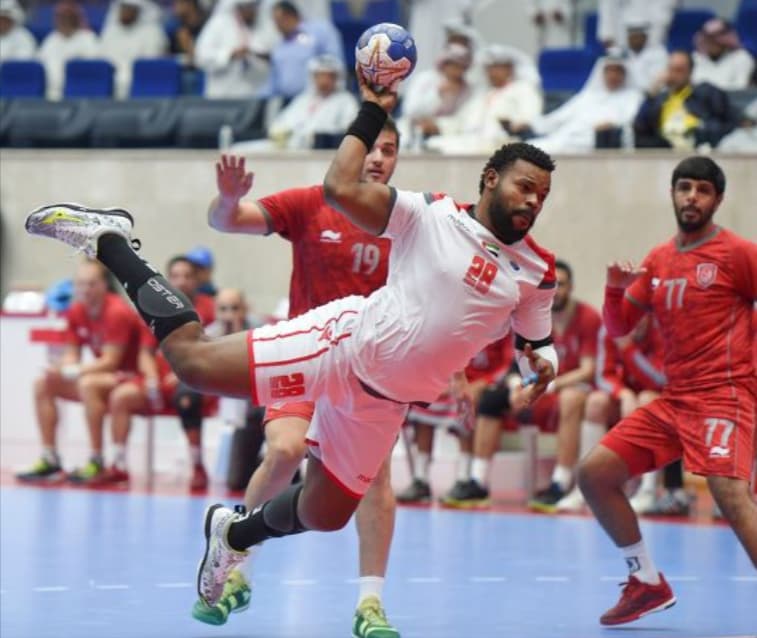
The UAE’s handball program benefits from broader sporting investment, attracting coaching expertise, and developing local talent alongside imported experience.
10. Hong Kong
Hong Kong represents East Asia’s developing handball scene outside traditional powerhouses, bringing determination and organizational skills to championship competition.
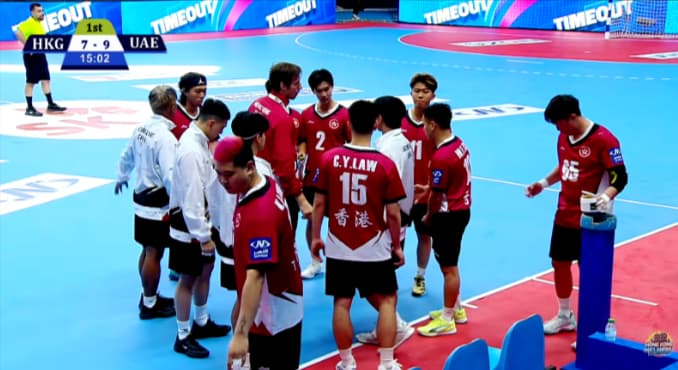
The team benefits from Hong Kong’s sporting infrastructure and systematic approaches to athlete development. While facing stronger opponents, Hong Kong’s program continues building through regular international competition and strategic player development.
11. India
India represents South Asia’s largest nation with developing handball infrastructure and growing participation. The team reflects India’s broader sporting development and investment in less traditional sports.
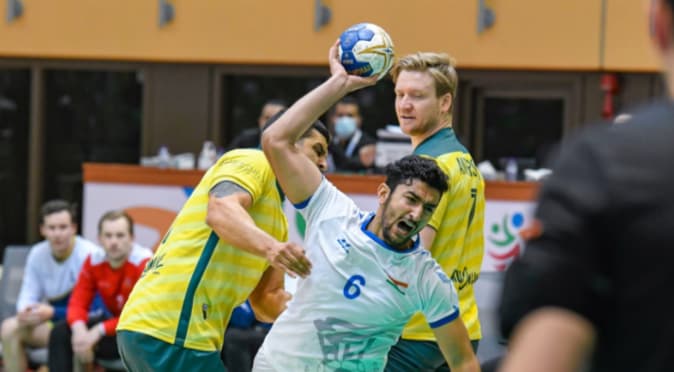
While handball remains emerging in India compared to cricket and other popular sports, the program shows commitment through systematic development and international competition exposure.
12. Japan
Japan brings East Asian excellence and systematic training approaches to the championship as a top-seeded contender. The team represents a nation with strong sporting infrastructure, disciplined tactical execution, and consistent Asian championship competitiveness.
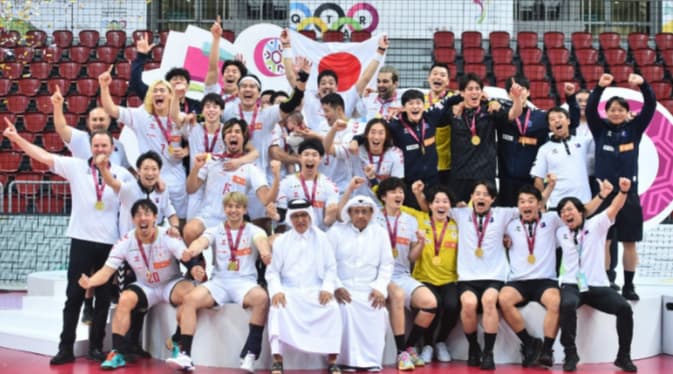
Japan’s handball program benefits from organized development, professional domestic leagues, and players who often gain experience in European competitions.
13. Iran
Iran represents one of Asia’s handball powerhouses with a rich competitive history and strong physical playing style. The team consistently competes for Asian titles and World Championship qualification through robust domestic infrastructure and passionate handball culture.
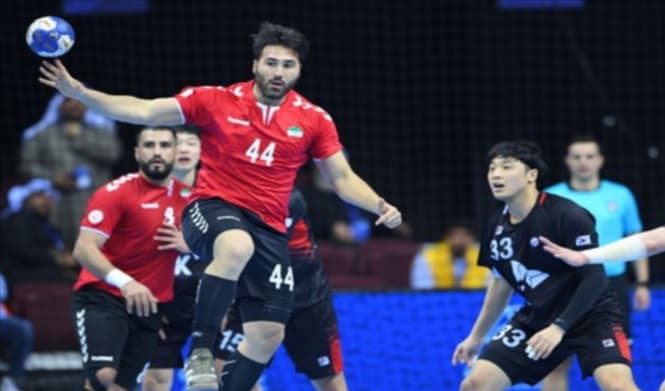
Iran’s program produces physically imposing players who combine strength with improving technical skills.
14. Saudi Arabia
Saudi Arabia brings Gulf region strength and improving infrastructure to the championship, representing a nation investing significantly in sports development. The team has shown competitive performances in recent Asian competitions and benefits from domestic league quality.
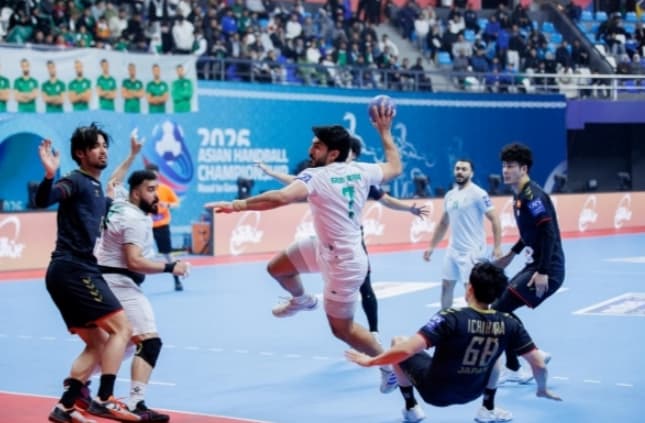
Saudi Arabia’s handball program reflects broader sporting ambitions with increasing resources devoted to player development and coaching.
15. Australia
Australia represents Oceanian participation in the Asian championship, bringing unique perspectives and developing handball infrastructure from outside the continent’s traditional regions.

The team faces challenges competing against Asia’s established powers but contributes to the championship’s diversity. Australia’s handball program works to develop the sport in a nation dominated by other football codes and sports.
Conclusion: Asian Men’s Handball Championship 2026 Teams Breakdown
The Asian Men’s Handball Championship 2026 brings together 16 nations across four competitive groups, showcasing handball’s diversity and growth throughout Asia. From defending champions to emerging programs, the tournament represents continental ambitions and competitive spirit.
Fans can expect tactical battles, athletic performances, and the continued development of Asian handball on the international stage.