Asia Cup captaincy has usually belonged to cricketers in their prime twenties and early thirties.
But a handful of leaders defied that pattern, taking charge well into their late thirties when most contemporaries were already commentating or coaching.
This guide breaks down who these veteran leaders were, how their ages stack up against the tournament’s youngest captains, and why grey-haired leadership still works in Asia’s biggest cricket rivalry.
Why “Oldest Captain” Isn’t An Official Asia Cup Record
Unlike categories such as most runs or best bowling figures, ESPNcricinfo and the Asian Cricket Council do not maintain an official “oldest captain” leaderboard for the Asia Cup. The ICC tracks oldest captains for Test and ODI cricket broadly, but nobody has built a standalone tournament-specific list.
That gap is exactly what makes this angle interesting. Instead of repeating the usual “best captains” rankings every other site covers, this piece reconstructs the age data edition by edition, using verified birth dates and tournament dates, to identify who really led their sides deepest into their careers.
Misbah-ul-Haq: The Oldest Captain To Win The Asia Cup
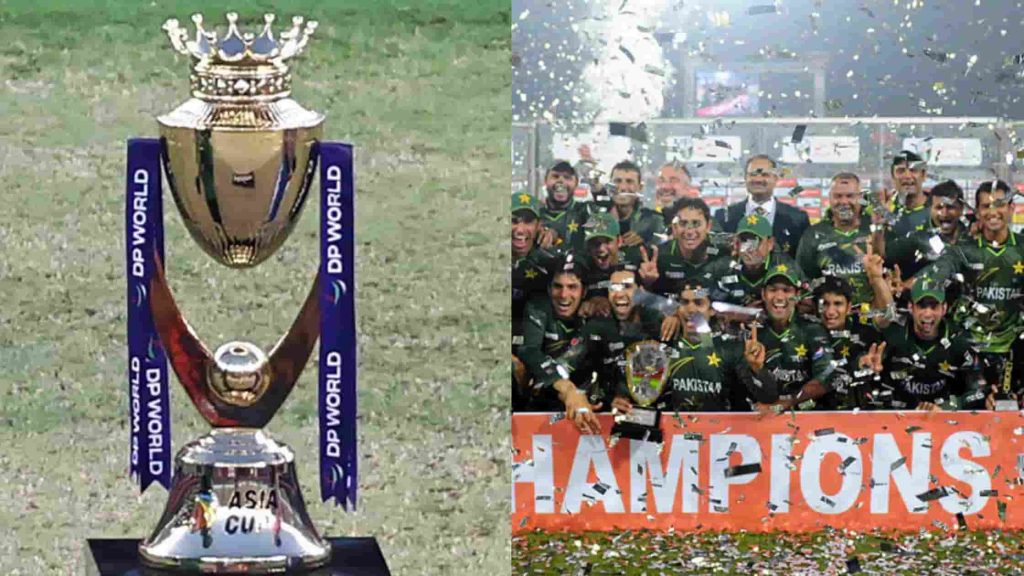
Misbah-ul-Haq holds the distinction of being the oldest captain to lift the Asia Cup among all full-member nations. He led Pakistan to the title at the 2012 edition in Bangladesh at roughly 37 years and 9 months old, born on 28 May 1974.
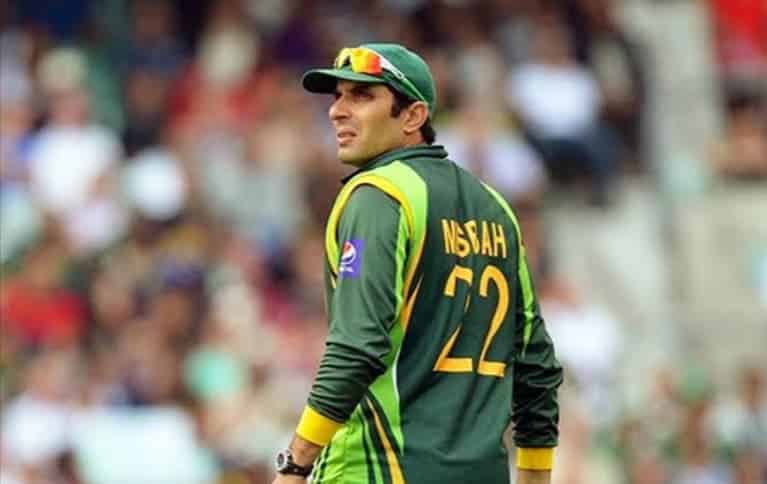
Misbah’s late-career captaincy is well known in Test cricket, where he became Pakistan’s most successful red-ball skipper past the age of 40. His Asia Cup triumph in 2012 fits that same pattern of a slow-burn leader who peaked later than most.
His calm demeanour and preference for measured, low-risk cricket became his calling card, a style that suited a squad rebuilding its reputation after the 2010 spot-fixing scandal.
Age At The Helm: Winning Captains Ranked By Age
The table below tracks every Asia Cup-winning captain against their age at the time of that title, calculated from verified birth dates and tournament dates.
| Year | Winning Captain | Team | Age At Tournament |
|---|---|---|---|
| 2012 | Misbah-ul-Haq | Pakistan | 37 |
| 2023 | Rohit Sharma | India | 36 |
| 1984 | Sunil Gavaskar | India | 34 |
| 2016 | MS Dhoni | India | 34 |
| 2025 | Suryakumar Yadav | India | 34 |
| 1997 | Arjuna Ranatunga | Sri Lanka | 33 |
| 1988 | Dilip Vengsarkar | India | 32 |
| 1995 | Mohammad Azharuddin | India | 32 |
| 2010 | MS Dhoni | India | 28 |
| 2000 | Moin Khan | Pakistan | 28 |
| 1986 | Javed Miandad | Pakistan | 28 |
| 1990/91 | Mohammad Azharuddin | India | 27 |
| 2004 | Mahela Jayawardene | Sri Lanka | 27 |
| 2018 | Rohit Sharma | India | 31 |
| 2008 | Mahela Jayawardene | Sri Lanka | 31 |
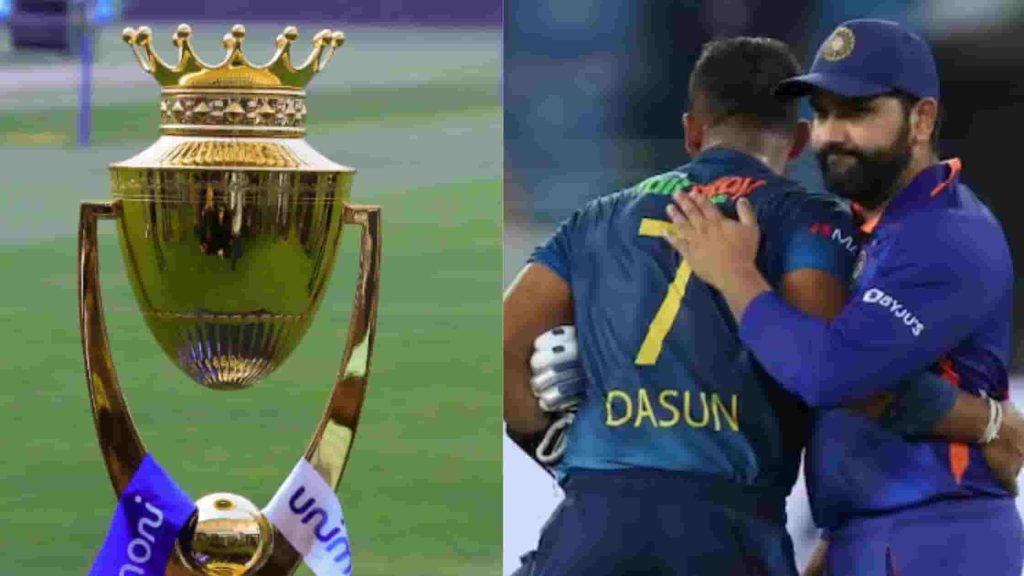
| 2022 | Dasun Shanaka | Sri Lanka | 30 |
| 2014 | Angelo Mathews | Sri Lanka | 26 |
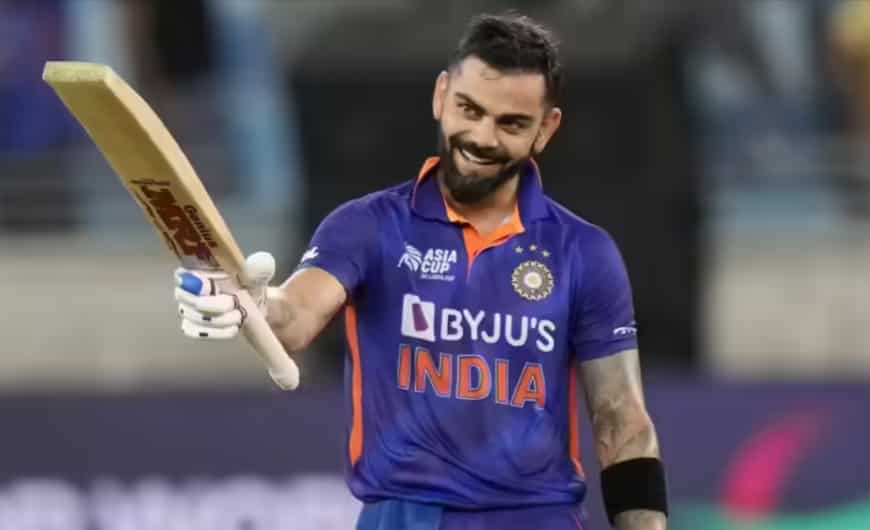
Misbah sits comfortably at the top, nearly a full year older than Rohit Sharma’s 2023 triumph, which is itself the second-oldest age at which any captain has lifted the trophy. Interestingly, six of the ten oldest title-winning captaincies belong to India, a reflection of how often India has trusted senior, settled leaders in this event rather than handing the armband to youth.
Runners-Up And Non-Winning Captains Worth Noting
Age at the top doesn’t always translate into silverware. Inzamam-ul-Haq led Pakistan to the 2004 final at 34 years old, only to fall short against Mahela Jayawardene’s Sri Lanka. His experience and calm under pressure could not overturn a Sri Lankan side playing some of the best cricket of that era.
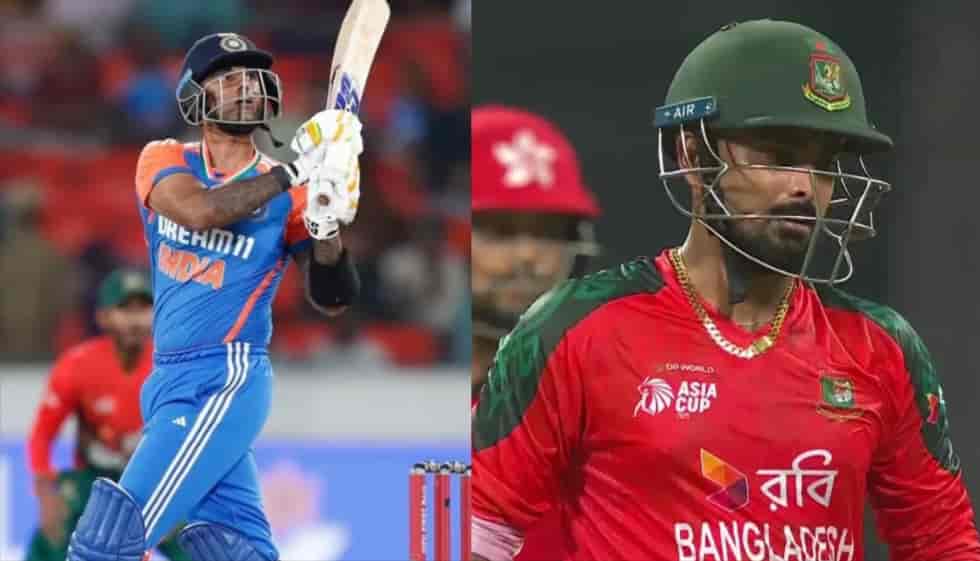
Associate nations have also fielded senior campaigners. Tim Smart captained Hong Kong at their maiden Asia Cup appearance in 2004 at 32 years old, while Khurram Khan led the UAE at the same tournament aged 33. Neither the UAE nor Hong Kong progressed past the group stage, but both captains brought playing experience well beyond their teams’ international inexperience, a common trend among associate sides who lean on club-level veterans rather than academy graduates.
Why Older Captains Still Deliver In The Asia Cup
Cricket captaincy in a continental tournament like the Asia Cup rewards a specific skill set that often comes with age and repetition rather than raw talent. A few patterns stand out across the captains covered above:
- Tactical composure under the intense India-Pakistan-Sri Lanka rivalry pressure, something Misbah and Ranatunga were both known for
- Familiarity with Asian conditions built over a decade or more of domestic and franchise cricket
- Trust from selectors during periods of team transition, which is when senior leaders are typically installed
- Man-management skills built from mentoring younger teammates through IPL, PSL, or BPL franchise dressing rooms
- A settled batting or bowling role that lets a captain focus on decision-making rather than proving their own place in the side
Oldest Versus Youngest: The Full Spectrum
For context, the flip side of this story features captains barely out of their teens. Rohit Paudel led Nepal at the 2023 Asia Cup while still in his early twenties, and Afghanistan has regularly turned to captains in their mid-twenties. The spread between the tournament’s oldest and youngest leaders spans nearly two decades, underlining how differently each cricket board approaches succession planning.
Conclusion
Age has never been the deciding factor in Asia Cup captaincy, but the leaders who took charge later in their careers often left the deepest tactical footprint.
Misbah-ul-Haq’s 2012 title remains the benchmark for experienced leadership triumphing on the big stage. As franchise cricket keeps players fitter and sharper for longer, don’t be surprised if a future Asia Cup captain pushes this age record even further.
FAQs
Misbah-ul-Haq, who led Pakistan to the 2012 title at around 37 years old.
No. The ICC and ESPNcricinfo track oldest captains for Tests and ODIs generally, but not specifically for the Asia Cup.
Based on available birth-date records for Hong Kong and UAE squads at the 2004 and 2008 editions, none have surpassed Misbah’s age at the time of captaincy.