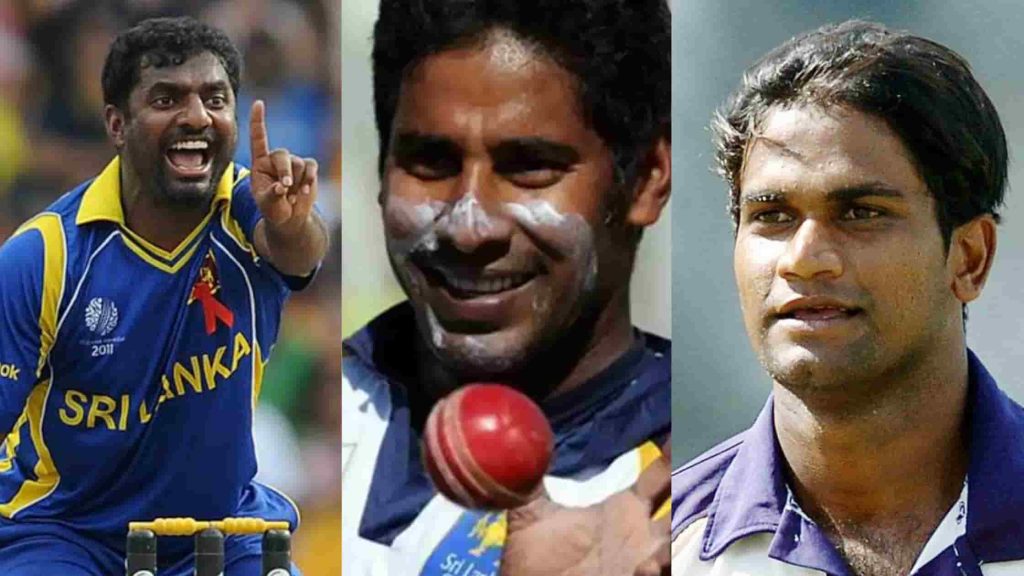
Chaminda Vaas holds the record for the most maiden overs in ODI Asia Cup history with 20 maidens across 19 matches, well ahead of every other bowler in the tournament’s 40-year legacy.
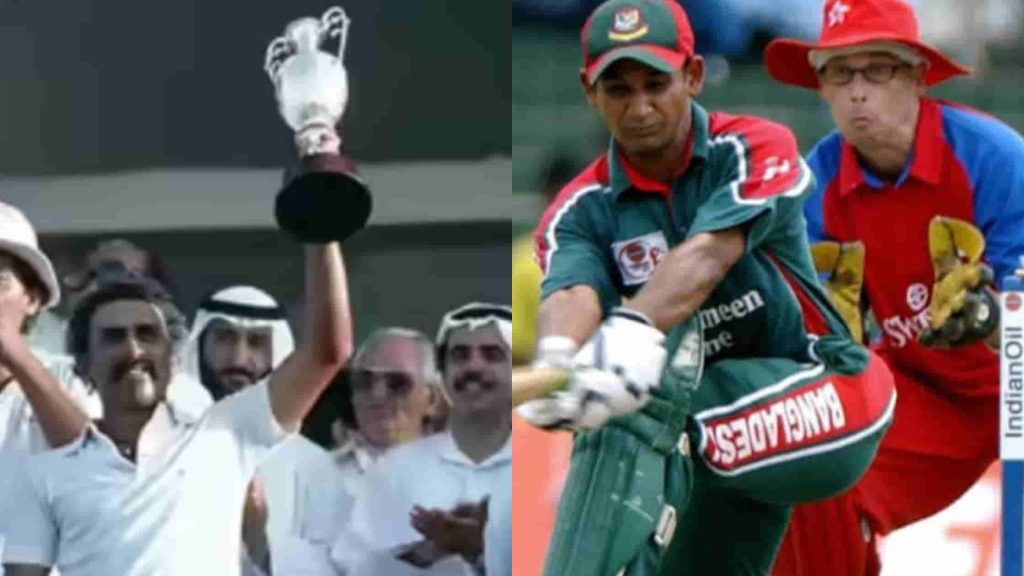
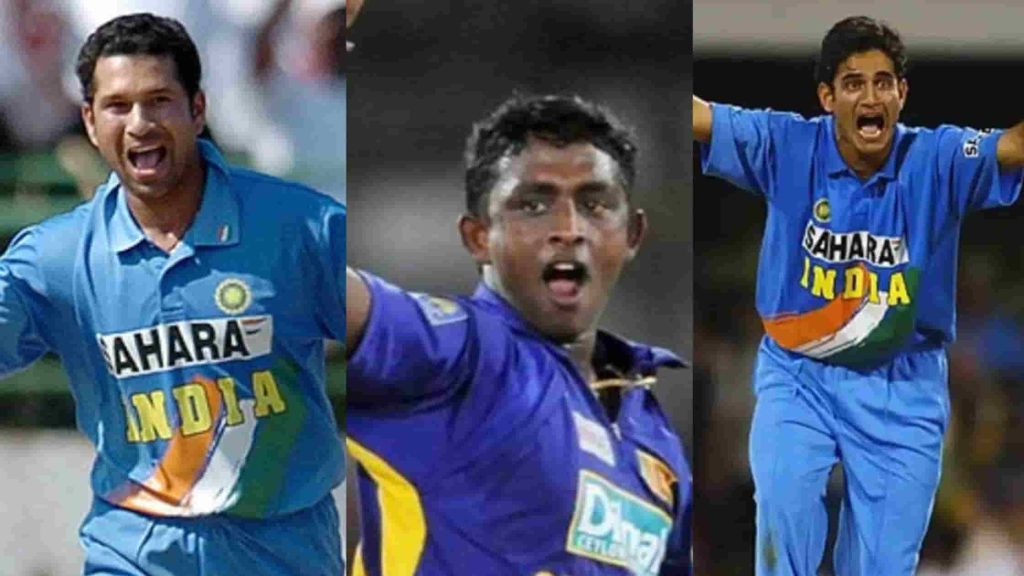
Since its inception in 1984, the ODI Asia Cup has featured some of the finest bowling spells across 14 editions. Consequently, Sri Lanka dominates this list with three bowlers in the top five, which underscores their tradition of producing world-class bowling attacks.
Furthermore, the gap between Vaas at the top and the rest of the field tells a clear story about sustained accuracy over multiple editions.
Top Bowlers With Most Maiden Overs in ODI Asia Cup
Here is the definitive ranking of bowlers who bowled the most maiden overs in ODI Asia Cup matches. Therefore, this table covers all editions from 1984 to 2023 (the last ODI edition).
| Rank | Player | Country | Mat | Overs | Maidens | WKTS | Econ | Span |
| 1 | Chaminda Vaas | Sri Lanka | 19 | 172.3 | 20 | 23 | 3.99 | 1995-2008 |
| 2 | Muttiah Muralitharan | Sri Lanka | 24 | 230.2 | 13 | 30 | 3.75 | 1995-2010 |
| 3 | Nuwan Zoysa | Sri Lanka | 8 | 72.0 | 11 | 12 | 3.68 | 2000-2004 |
| 4 | Abdur Razzak | Bangladesh | 18 | 143.0 | 10 | 17 | 4.32 | 2004-2012 |
| 5 | Manoj Prabhakar | India | 9 | 82.0 | 9 | 12 | 3.80 | 1988-1995 |
| 6 | Wasim Akram | Pakistan | 12 | 110.0 | 8 | 16 | 3.49 | 1986-2000 |
| 7 | Kapil Dev | India | 9 | 82.0 | 8 | 15 | 3.56 | 1984-1995 |
| 8 | Lasith Malinga | Sri Lanka | 14 | 128.1 | 7 | 29 | 4.65 | 2004-2014 |
| 9 | Ajantha Mendis | Sri Lanka | 8 | 68.0 | 7 | 26 | 3.98 | 2008-2014 |
| 10 | Saeed Ajmal | Pakistan | 12 | 115.0 | 7 | 25 | 4.21 | 2008-2014 |
Key Takeaways From the Maiden Overs Record
Sri Lanka dominates this list with five out of ten entries. As a result, Vaas, Muralitharan, Zoysa, Malinga, and Mendis contributed to the island nation’s six Asia Cup titles across ODI editions.
Additionally, Pakistan places two bowlers in the list through Wasim Akram and Saeed Ajmal, while India features Manoj Prabhakar and Kapil Dev. Bangladesh’s Abdur Razzak is the sole representative for his country.
Moreover, no bowler from the modern era (post-2015) appears in this ranking. This makes sense because the ODI Asia Cup shifted to T20I format in 2016 and 2022, reducing opportunities for long, controlled spells.
Player-by-Player Breakdown
Here is the Player wise Breakdown:
1. Chaminda Vaas (Sri Lanka) – 20 Maidens
Chaminda Vaas sits comfortably atop this list with 20 maiden overs from 19 Asia Cup matches. In other words, he averaged more than one maiden per match across five editions, a feat no other bowler came close to matching.
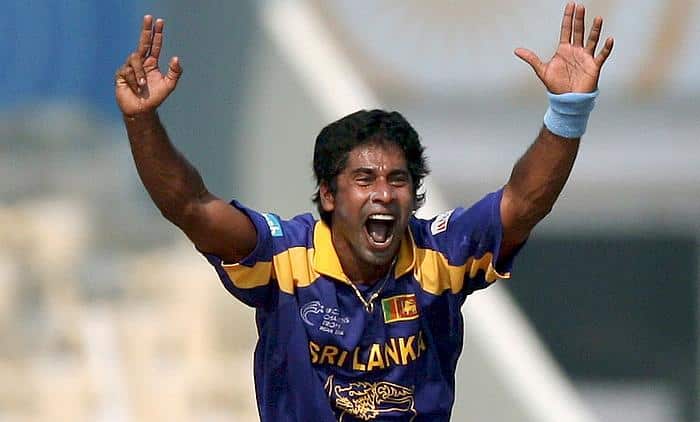
Vaas also took 23 wickets in the tournament, making him both a wicket-taker and a run-stopper. His left-arm swing and unerring accuracy with the new ball made him nearly impossible to score off during the powerplay.
Interestingly, Vaas also holds the record for the best bowling figures in ODI history (8/19 vs Zimbabwe). That same discipline carried over to Asia Cup pitches across Sharjah, Dhaka, Colombo, and Lahore.
2. Muttiah Muralitharan (Sri Lanka) – 13 Maidens
Muttiah Muralitharan is the highest wicket-taker in ODI Asia Cup history with 30 wickets in 24 matches. Alongside those 30 scalps, he bowled 13 maiden overs at an economy of 3.75, which is remarkable for a spinner bowling in the middle overs.
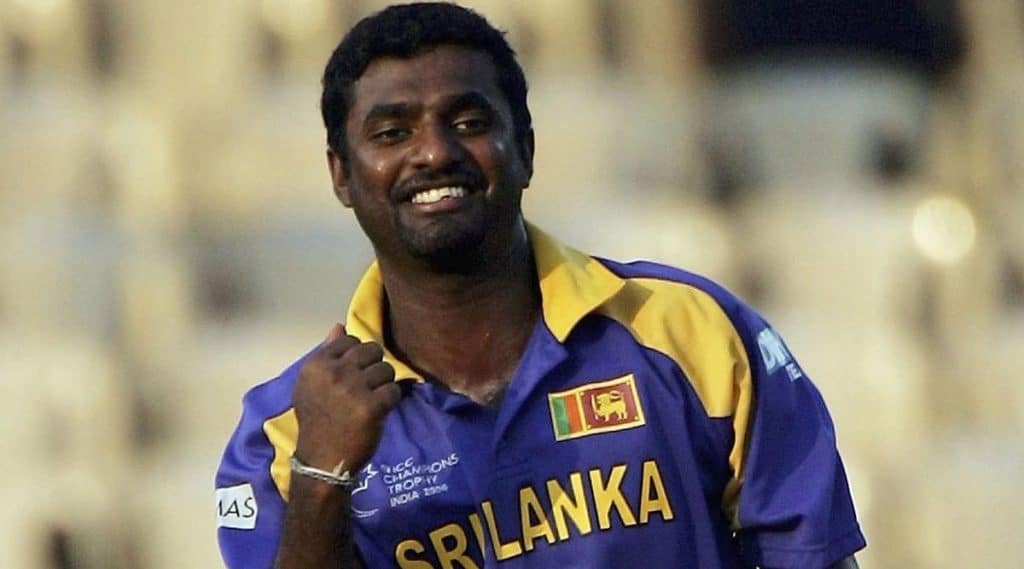
Murali’s flight, turn, and the famous doosra left batters guessing throughout the middle overs. While batters could attack others, Murali kept one end locked down. He featured in Asia Cups from 1995 to 2010, contributing to four Sri Lankan titles during that stretch.
3. Nuwan Zoysa (Sri Lanka) – 11 Maidens
Nuwan Zoysa managed 11 maidens in just 8 matches, giving him the best maidens-per-match ratio on this entire list at 1.37. His left-arm fast bowling, combined with steep bounce, troubled opening batters consistently.
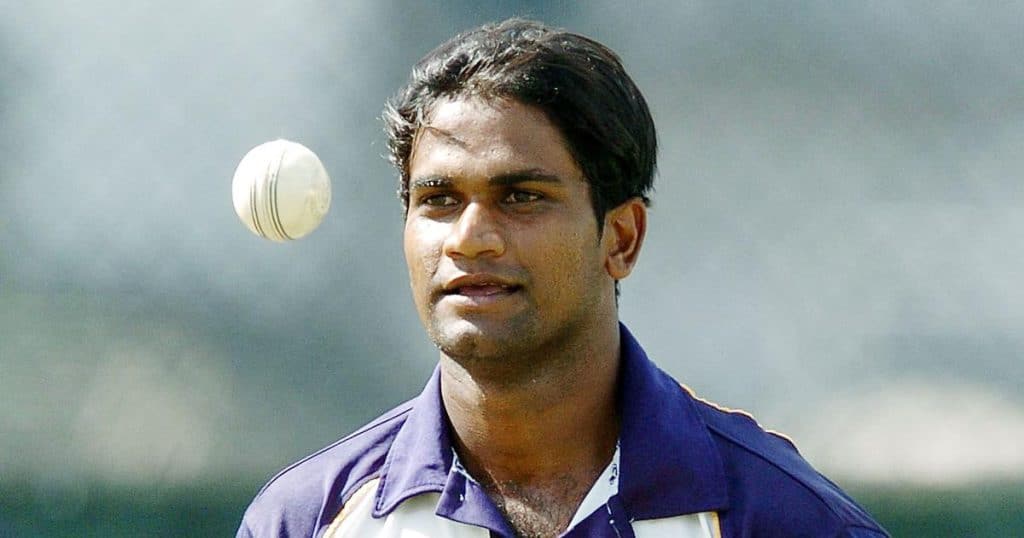
Zoysa played in the 2000 and 2004 editions, where he formed a lethal new-ball partnership with Vaas. Together, they strangled batting lineups from both ends during the first powerplay. His economy rate of 3.68 in Asia Cup ODIs backs up the maiden tally.
4. Abdur Razzak (Bangladesh) – 10 Maidens
Abdur Razzak is the only Bangladeshi bowler on this list, having bowled 10 maidens in 18 Asia Cup matches. As Bangladesh’s primary left-arm spinner for nearly a decade, Razzak brought control and consistency to a side still finding its feet in continental competition.
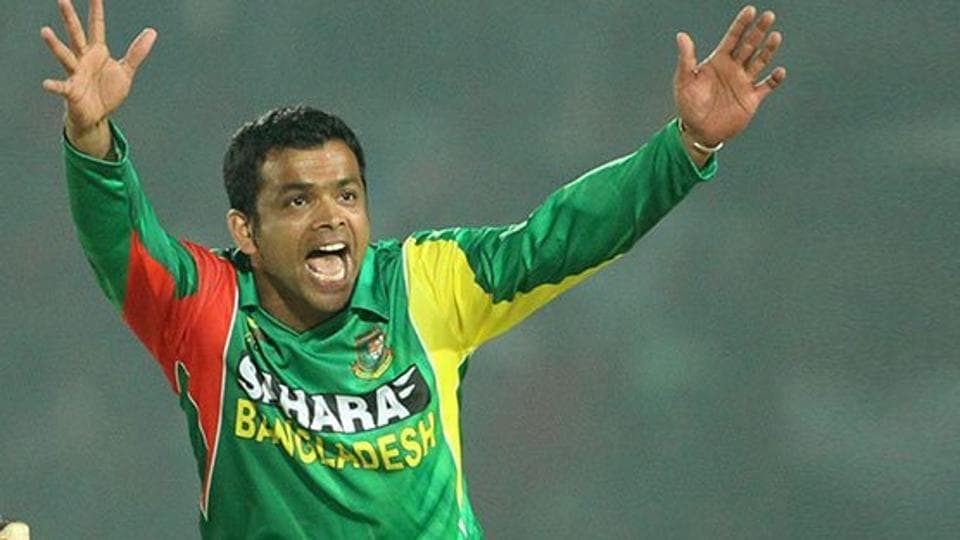
He played Asia Cup editions from 2004 to 2012, taking 17 wickets during that run. Razzak’s ability to turn the ball on subcontinent pitches while keeping things tight earned him a top-five spot despite Bangladesh’s limited presence in finals.
5. Manoj Prabhakar (India) – 9 Maidens
Manoj Prabhakar is the only Indian bowler in the top five, with 9 maidens in 9 matches. That translates to exactly one maiden per match, a testament to his nagging accuracy and ability to move the ball off the seam.
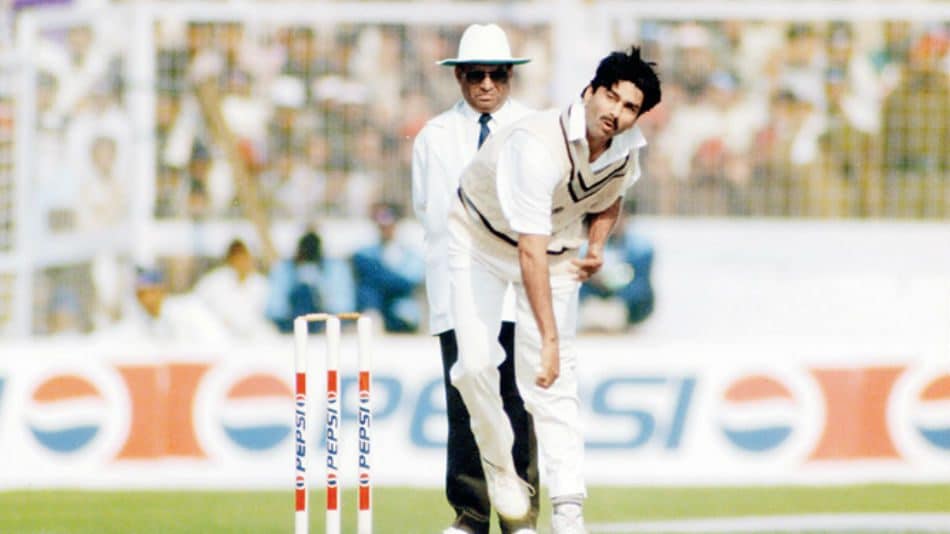
Prabhakar was India’s go-to new ball bowler during the late 1980s and early 1990s. He featured in the 1988, 1990/91, and 1995 editions, consistently making it tough for top-order batters to settle in during the opening overs.
6. Wasim Akram (Pakistan) – 8 Maidens
Wasim Akram holds the record for the lowest economy rate in ODI Asia Cup history at 3.49 runs per over. He played 12 matches and took 16 wickets, with an economy rate that remained the best across any bowler to have bowled a significant number of overs.
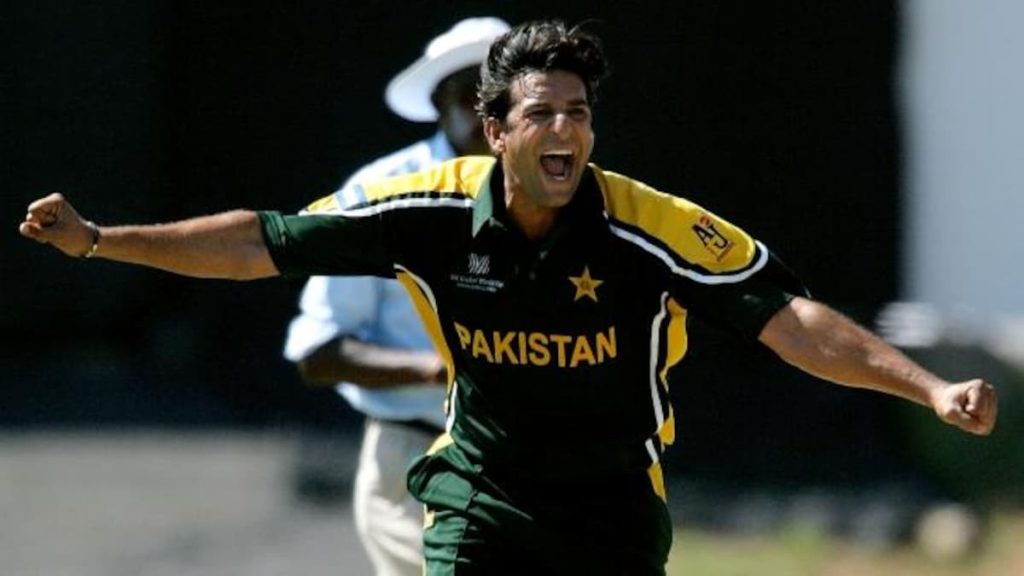
The Sultan of Swing’s ability to move the ball both ways at pace made him nearly unplayable with the new ball. His 502 ODI wickets overall and 237 career maiden overs in all ODIs confirm that he was one of the most disciplined fast bowlers to ever play the game.
7. Kapil Dev (India) – 8 Maidens
Kapil Dev featured in Asia Cup editions from 1984 to 1995. The 1983 World Cup-winning captain took 15 wickets in 7 innings at a bowling average of 13.00, the second-best in Asia Cup history among bowlers with 10+ wickets.
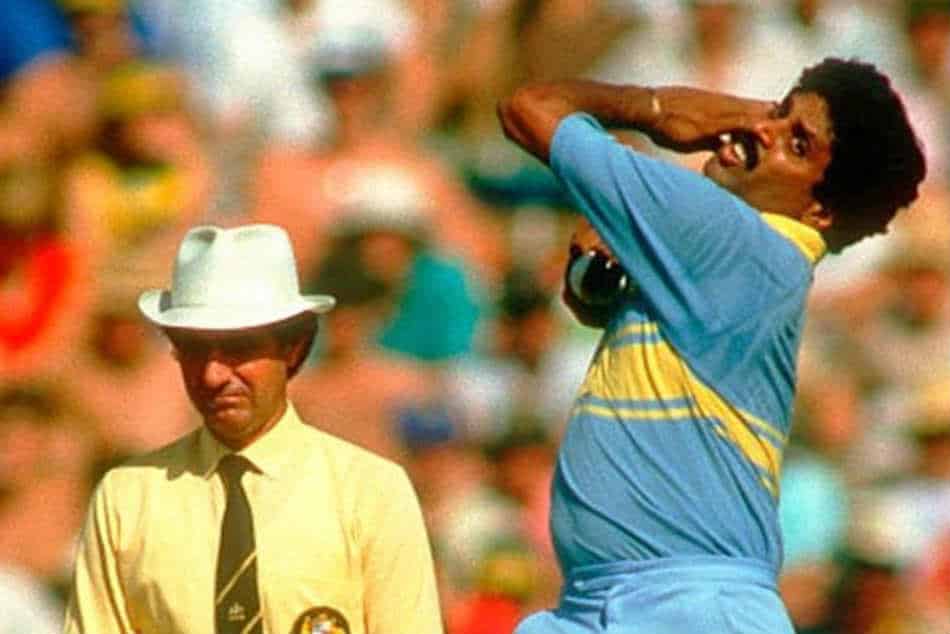
His economy rate of 3.56 was the second-best in the tournament’s ODI history. In the 1990/91 edition, Kapil finished as the leading wicket-taker with 9 wickets, guiding India to the title.
8. Lasith Malinga (Sri Lanka) – 7 Maidens
Lasith Malinga is the second-highest wicket-taker in ODI Asia Cup history with 29 wickets in 14 matches at an economy of 4.65. He also holds the record for the most five-wicket hauls (3) in the tournament.
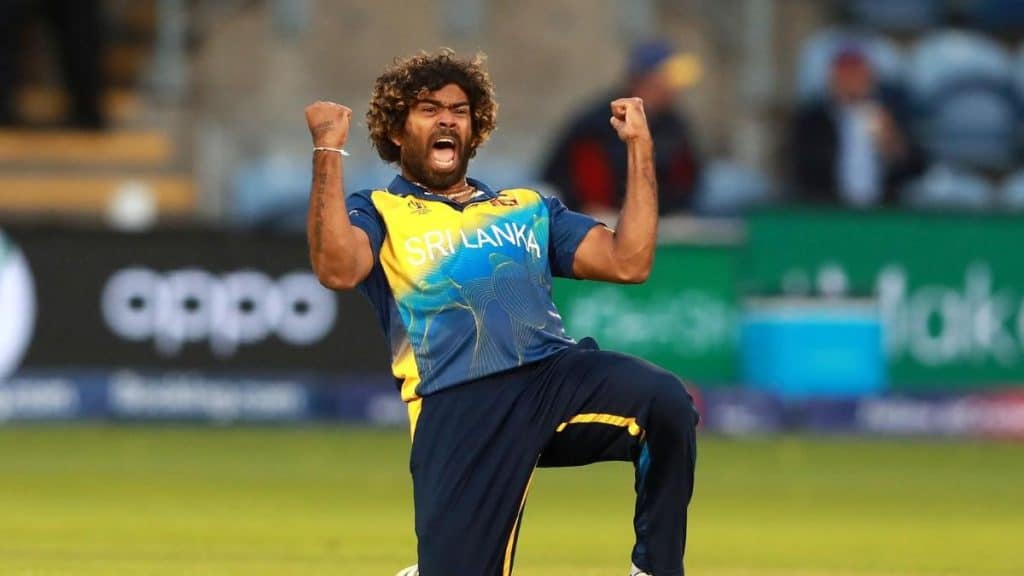
Although Malinga was primarily a strike bowler rather than a containing one, his ability to bowl toe-crushing yorkers earned him maidens during death overs. His iconic round-arm action made it difficult for even set batters to get him away consistently.
9. Ajantha Mendis (Sri Lanka) – 7 Maidens
Ajantha Mendis holds the record for the best bowling figures in Asia Cup history: 6/13 vs India in the 2008 final at Karachi. That spell alone contained 3 maidens in 7.2 overs, which gives a sense of how dominant he was.
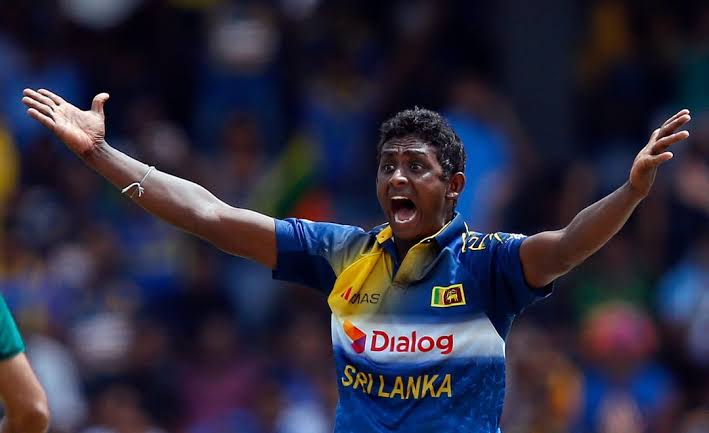
Across his 8 Asia Cup matches, Mendis took 26 wickets at an average of just 10.42. His carrom ball and mystery spin left batters clueless, and he proved especially effective on subcontinental surfaces where the ball gripped and turned.
10. Saeed Ajmal (Pakistan) – 7 Maidens
Saeed Ajmal is the fourth-highest wicket-taker in ODI Asia Cup history with 25 wickets in 12 matches at an economy of 4.21. He was Pakistan’s primary spin threat during the 2008, 2012, and 2014 editions.
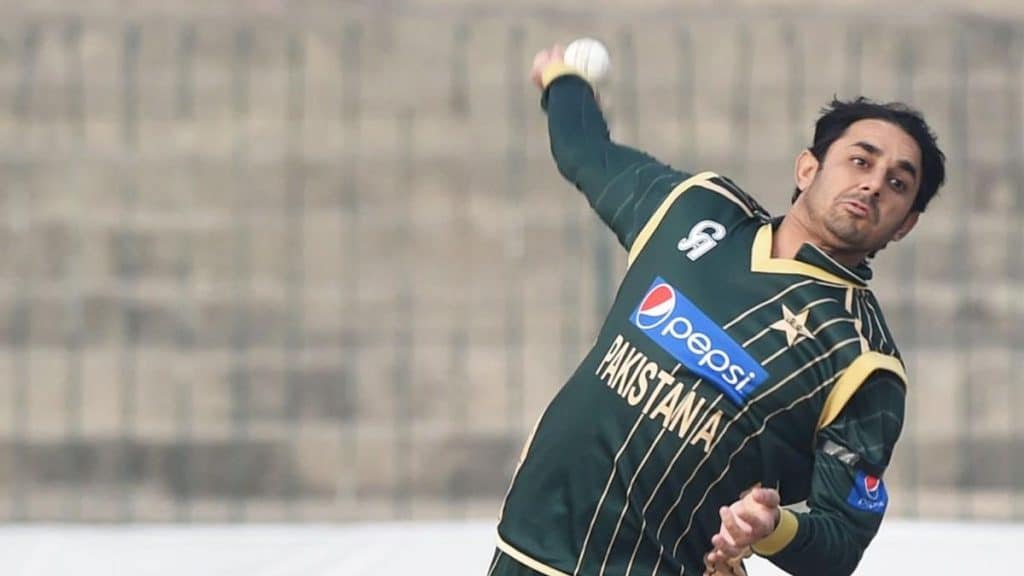
Ajmal’s off-spin, combined with his doosra variations, kept batters guessing throughout his spells. His most notable contribution came during the 2012 edition, where Pakistan reached the final largely because of his bowling dominance in the group stage.
Why Sri Lanka Dominates This List
Five of the ten names on this list are Sri Lankan, and that is not a coincidence. Sri Lanka won six ODI Asia Cup titles (1986, 1997, 2004, 2008, 2014, and the 2022 T20I edition), and bowling accuracy played a central role in each triumph.
Moreover, Sri Lankan bowlers historically thrived on subcontinental pitches that suited their skills. Vaas and Zoysa swung the new ball, Muralitharan and Mendis spun it through the middle, and Malinga cleaned up at the death. As a result, this combination made scoring freely against Sri Lanka a challenge across multiple editions.
Additionally, Sri Lanka played in more Asia Cup ODIs than most teams because they consistently reached the knockout stages. More matches naturally mean more opportunities to bowl maidens, but the sheer quality of their bowling made those opportunities count.
Why Maiden Overs Matter in ODI Cricket
A maiden over in ODIs does more than just stop runs for six deliveries. It builds psychological pressure on the batter, forces them into risky shots, and gives the bowling captain more control over field placements.
In the Asia Cup specifically, where pitches across Sharjah, Colombo, Dhaka, and Lahore have historically offered assistance to bowlers, maintaining accuracy through the powerplay often decided the outcome. For instance, Shaun Pollock holds the all-time ODI record with 313 maiden overs globally, but the Asia Cup specifically favored bowlers who could exploit subcontinental conditions.
Furthermore, modern ODI cricket has seen a sharp decline in maiden overs. The influence of T20 cricket, flat pitches, and aggressive batting approaches mean that maintaining six dot balls in a row is now a rarer achievement than it was during the peak era of Vaas and Muralitharan.
Era-Wise Comparison of Asia Cup Maiden Overs
The nature of ODI cricket changed drastically across the Asia Cup’s history. Consequently, maiden overs became rarer as the tournament evolved.
| Era | Key Bowlers | Avg Economy | Maiden Trend |
| 1984-1995 | Kapil Dev, Prabhakar, Akram, Qadir | 3.40-3.80 | Frequent (1+ per match) |
| 1997-2008 | Vaas, Murali, Zoysa, Mendis | 3.70-4.20 | Common (0.5-1 per match) |
| 2010-2023 | Malinga, Ajmal, Jadeja, Kuldeep | 4.00-5.00 | Rare (0.3-0.5 per match) |
Notably, the early editions (1984-1995) were played under conditions that strongly favored bowlers. Fields were more defensive, batters took fewer risks, and scoring rates hovered around 4-5 runs per over. In contrast, the 2010-2023 era saw target scores of 300+ becoming normal, pushing maiden overs to near-extinction.
Conclusion – Vaas Leads a Legacy of Bowling Discipline
Chaminda Vaas‘s record of 20 maidens in ODI Asia Cup history stands as a testament to sustained accuracy over five tournament editions.
Sri Lanka’s bowling legacy, from Vaas to Muralitharan to Malinga, defines this list. As the Asia Cup continues to evolve between ODI and T20I formats, these records from the 50-over era will likely stand unchallenged for years to come.