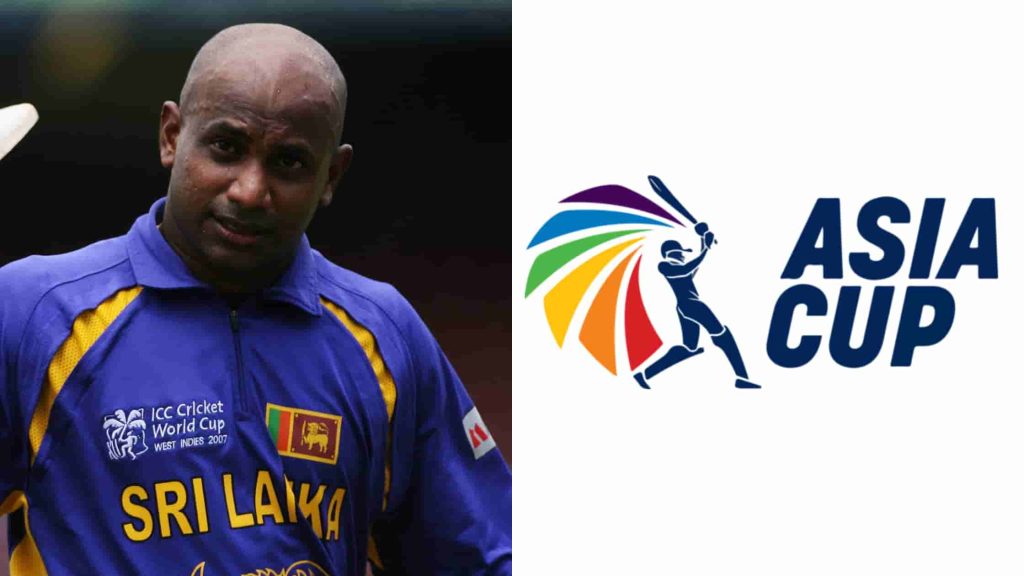
Sanath Jayasuriya has hit more fours than anyone else in Asia Cup history, 139 of them, more than 30 clear of his nearest rival.
But a fours count on its own doesn’t explain how a player got there: some batters piled up boundaries by facing more balls over a longer career, others did it in a fraction of the innings.
This article ranks every major boundary-hitter in Asia Cup history and breaks down the story behind each name.
Most Fours in Asia Cup History (Full List)
The Most Fours in Asia Cup History list features the tournament’s leading boundary hitters. Check the full list of players with the most fours and their batting records.
| Rank | Player | Matches | Innings | Fours |
|---|---|---|---|---|
| 1 | Sanath Jayasuriya | 25 | 24 | 139 |
| 2 | Sachin Tendulkar | 23 | 21 | 108 |
| 3 | Kumar Sangakkara | 24 | 23 | 107 |
| 4 | Rohit Sharma | 26 | 25 | 81 |
| 5 | Shoaib Malik | 17 | 15 | 76 |
| 6 | Mahela Jayawardene | 28 | 26 | 70 |
| 6 | Virat Kohli | 15 | 13 | 70 |
| 8 | Virender Sehwag | 13 | 13 | 67 |
| 9 | Shikhar Dhawan | 9 | 9 | 62 |
| 10 | Mushfiqur Rahim | 24 | 24 | 61 |
| 11 | Gautam Gambhir | 13 | 13 | 60 |
| 12 | Tamim Iqbal | 13 | 13 | 59 |
| 13 | Marvan Atapattu | 13 | 12 | 51 |
Fours Per Innings: The Real Boundary-Hitting Efficiency Test
A raw fours count rewards longevity. Divide fours by innings, though, and a very different picture of “boundary hitting ability” emerges, this is the angle most lists never show you.
| Player | Fours | Innings | Fours per Innings |
|---|---|---|---|
| Virender Sehwag | 67 | 13 | 5.15 |
| Sanath Jayasuriya | 139 | 24 | 5.79 |
| Virat Kohli | 70 | 13 | 5.38 |
| Shikhar Dhawan | 62 | 9 | 6.89 |
| Gautam Gambhir | 60 | 13 | 4.62 |
| Tamim Iqbal | 59 | 13 | 4.54 |
| Sachin Tendulkar | 108 | 21 | 5.14 |
| Kumar Sangakkara | 107 | 23 | 4.65 |
| Shoaib Malik | 76 | 15 | 5.07 |
| Marvan Atapattu | 51 | 12 | 4.25 |
| Mahela Jayawardene | 70 | 26 | 2.69 |
| Rohit Sharma | 81 | 25 | 3.24 |
| Mushfiqur Rahim | 61 | 24 | 2.54 |
Shikhar Dhawan actually strikes fours at the fastest rate of anyone on this list, 6.89 per innings across just 9 innings, even though his total is far lower than Jayasuriya’s. That’s the trade-off this ranking hides: total fours favours long careers, while fours-per-innings favours pure boundary-hitting intent.
Player-by-Player: The Story Behind Every Name
Take a closer look at every player on this list and their batting record in Asia Cup history. Learn more about their performances.

- Sanath Jayasuriya (139 fours) — The most explosive opener the Asia Cup has ever seen. Jayasuriya redefined what an opening batter could do in limited-overs cricket by attacking field restrictions from ball one, and his 139 fours across just 24 innings remain untouched more than a decade after his retirement.
- Sachin Tendulkar (108 fours) — Tendulkar’s boundary count reflects two decades of consistency rather than pure aggression. Known for precision over power, he found the fours through placement — gaps, timing, and footwork — rather than brute force.
- Kumar Sangakkara (107 fours) — A wristy, elegant left-hander whose fours often came from late cuts and flicks rather than power-hitting. Sangakkara’s numbers show that classical technique can be just as prolific as raw aggression in accumulating boundaries.
- Rohit Sharma (81 fours) — India’s modern-day opener built his tally across the longest innings-count on this list (25). Rohit’s boundary game blends effortless timing with the ability to accelerate in bursts, especially through the off side.
- Shoaib Malik (76 fours) — Pakistan’s most prolific boundary-hitter in the tournament, Malik combined a long international career with the ability to rotate strike and still find gaps regularly, making him a reliable middle-order boundary source for Pakistan.
- Mahela Jayawardene (70 fours) — Despite the lowest fours-per-innings rate among the top names, Jayawardene’s longevity (26 innings, the most of anyone on this list) allowed him to accumulate a strong overall tally through elegant, low-risk stroke play.
- Virat Kohli (70 fours) — Kohli matches Jayawardene’s tally in nearly half the innings. His 183 against Pakistan in 2012 alone contributed 22 fours, showing how concentrated his boundary-hitting can be in a single dominant innings.
- Virender Sehwag (67 fours) — One of the most fearless openers in cricket history, Sehwag’s 67 fours came in just 13 innings — a fours-per-innings rate bettered by very few players on this list, reflecting his trademark see-ball-hit-ball approach.
- Shikhar Dhawan (62 fours) — Despite the fewest innings (9) among the top 13, Dhawan posts the best fours-per-innings ratio on this entire list, underlining why he was nicknamed “Gabbar” for his aggressive strokeplay through the off side.
- Mushfiqur Rahim (61 fours) — Bangladesh’s most consistent Asia Cup performer, Rahim’s boundary tally reflects a long career built on steady accumulation rather than explosive hitting, fitting his role as Bangladesh’s batting anchor.
- Gautam Gambhir (60 fours) — A key figure in India’s top order during the late 2000s and early 2010s, Gambhir’s boundaries often came through the off side via the cover drive, one of the cleanest shots of his generation.
- Tamim Iqbal (59 fours) — Bangladesh’s most attacking opener, Tamim built his boundary count through fearless strokeplay in the powerplay overs, often setting the tone for Bangladesh’s innings early.
- Marvan Atapattu (51 fours) — Jayasuriya’s long-time opening partner, Atapattu played the anchor role at the other end, and his 51 fours came largely from placement and timing rather than power.
Fours vs Sixes: Which Players Relied More on Boundaries Along the Ground?
Boundary-hitting isn’t just about fours, some players on this list balanced their fours tally with heavy six-hitting, while others relied almost entirely on ground shots.
- Jayasuriya also holds the second-most sixes in Asia Cup history (23), meaning he combined the top fours tally with elite six-hitting — a rare double.
- Shahid Afridi leads the all-time sixes list (26) but doesn’t feature in the top fours rankings, showing his game was built almost entirely around clearing the boundary rather than finding gaps.
- Kohli’s 183 against Pakistan in 2012 included 22 fours and 4 sixes, a blend that made it the highest individual score in Asia Cup history.
- Most of the top-13 fours list (Tendulkar, Sangakkara, Jayawardene, Gambhir) lean toward ground-shot accumulation over six-hitting, reflecting a generation of batting built on gaps and placement rather than pure power.
Team-Wise Breakdown: Which Country Dominates the Fours List?
- Sri Lanka — 3 players in the top 13 (Jayasuriya, Sangakkara, Jayawardene), and the top overall spot
- India — 5 players in the top 13 (Tendulkar, Rohit Sharma, Kohli, Sehwag, Dhawan, Gambhir) — the most represented nation on the list
- Pakistan — 1 player (Shoaib Malik)
- Bangladesh — 2 players (Mushfiqur Rahim, Tamim Iqbal)
India’s strength here comes from squad depth across multiple generations of batters rather than one standout name, a pattern that echoes India’s dominance in the overall centuries and team-runs charts too.
Also Read:
Conclusion
Jayasuriya’s 139 fours stand as one of the most secure records in Asia Cup history, but this list shows there’s more than one way to read “most fours.”
Dhawan’s efficiency, Kohli’s concentrated bursts, and Jayawardene’s longevity all tell a different story about how boundaries get scored.
As the tournament heads into its 2027 edition, it will take a rare combination of longevity and intent to seriously challenge Jayasuriya’s mark.
FAQs
Sanath Jayasuriya, with 139 fours in 24 innings, the only player to cross 130 fours in the tournament.
Shikhar Dhawan, at 6.89 fours per innings, ahead of Jayasuriya (5.79) and Kohli (5.38).
Rohit Sharma, with 81 fours, remains the leading active player on the list.
Yes — his 23 sixes rank second all-time behind Shahid Afridi, making him one of the most complete boundary-hitters the tournament has seen.