Fawad Alam holds the record for the highest batting average in Asia Cup ODI history, an extraordinary 251.00, built on just three innings and two not-outs.
That number alone should raise an eyebrow, and it’s exactly why this article does something different: instead of just listing the top averages, it explains why batting average is the most easily distorted stat in cricket, and which names on this list represent genuine consistency versus a small sample working in their favor.
Highest Averages in Asia Cup ODI History (Minimum Qualification Applied)
The Highest Averages in Asia Cup ODI History list features the tournament’s most consistent batters. Check the players with the best batting averages and records.
| Rank | Player | Team | Span | Mat | Inns | NO | Runs | HS | Ave | SR | 100 | 50 |
|---|---|---|---|---|---|---|---|---|---|---|---|---|
| 1 | Fawad Alam | Pakistan | 2008–2014 | 4 | 3 | 2 | 251 | 114* | 251.00 | 89.32 | 1 | 2 |
| 2 | SC Khanna | India | 1984 | 2 | 2 | 1 | 107 | 56 | 107.00 | 75.88 | 0 | 2 |
| 3 | Mohammad Rizwan | Pakistan | 2023 | 5 | 4 | 2 | 195 | 86* | 97.50 | 94.20 | 0 | 2 |
| 4 | Ijaz Ahmed | Pakistan | 1988 | 3 | 3 | 1 | 192 | 124* | 96.00 | 103.78 | 1 | 1 |
| 5 | Iftikhar Ahmed | Pakistan | 2023 | 5 | 3 | 1 | 179 | 109* | 89.50 | 122.60 | 1 | 0 |
| 6 | AD Mathews | Sri Lanka | 2010–2018 | 11 | 10 | 6 | 331 | 74* | 82.75 | 82.33 | 0 | 3 |
| 7 | SV Manjrekar | India | 1990–1995 | 7 | 4 | 2 | 162 | 75* | 81.00 | 66.66 | 0 | 2 |
| 8 | KL Rahul | India | 2018–2023 | 5 | 4 | 1 | 229 | 111* | 76.33 | 89.80 | 1 | 1 |
| 9 | Shubman Gill | India | 2023 | 6 | 6 | 2 | 302 | 121 | 75.50 | 93.49 | 1 | 2 |
| 10 | Nasir Jamshed | Pakistan | 2008–2012 | 6 | 6 | 2 | 298 | 112 | 74.50 | 99.33 | 1 | 3 |
Player-by-Player: The Story Behind Every Average
See how each player performed in the Asia Cup and earned a place among the tournament’s most consistent batters.
1. Fawad Alam (Pakistan) — Average 251.00
Alam’s average is the standout number on this entire list, but the context matters: it comes from just three innings, two of them unbeaten.
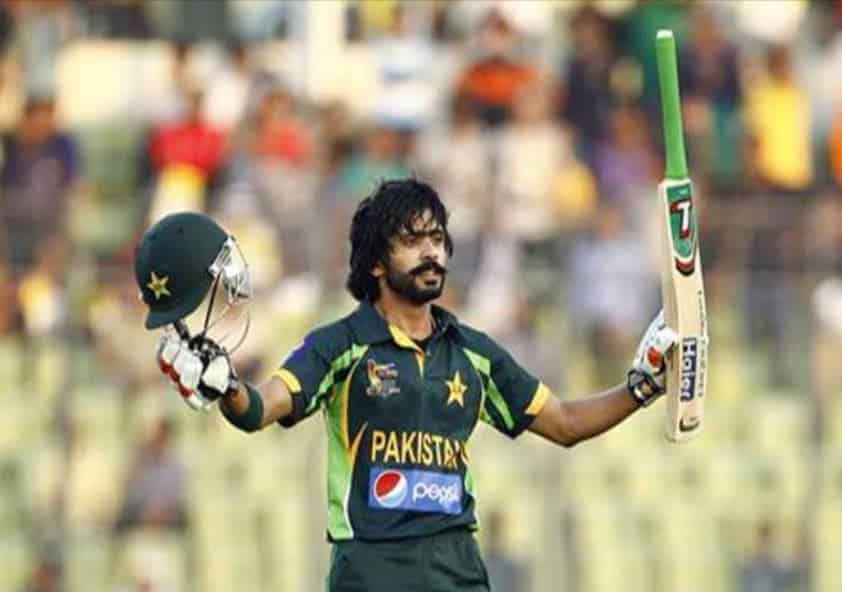
His unbeaten 114 in the 2014 final against Sri Lanka is the innings that built this record, a career-best knock that came in a losing cause, but statistically anchors the highest average in the tournament’s history.
2. SC Khanna (Surinder Khanna) (India) — Average 107.00
A wicketkeeper-batter from the very first Asia Cup in 1984, Khanna played just two innings, remaining unbeaten in one.

His average is a product of the tournament’s inaugural, low-key format rather than a body of work, a good early example of why sample size matters when reading this list.
3. Mohammad Rizwan (Pakistan) — Average 97.50
Rizwan’s number is backed by more substance than most names above him, five matches and a strike rate above 94.
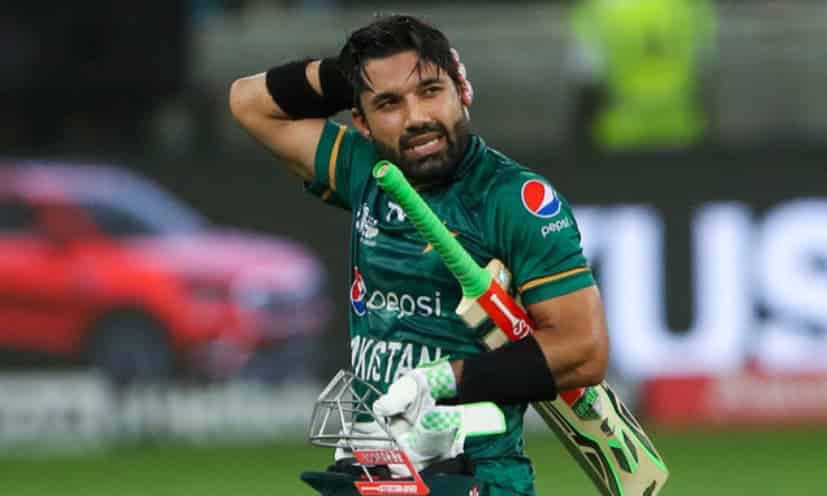
His unbeaten 86 anchors a genuinely strong 2023 campaign, making him one of the more “trustworthy” high averages on this list.
4. Ijaz Ahmed (Pakistan) — Average 96.00
Part of the same 1988 Pakistan side that produced the tournament’s first-ever centuries, Ijaz Ahmed’s unbeaten 124 remains one of the great forgotten Asia Cup innings.
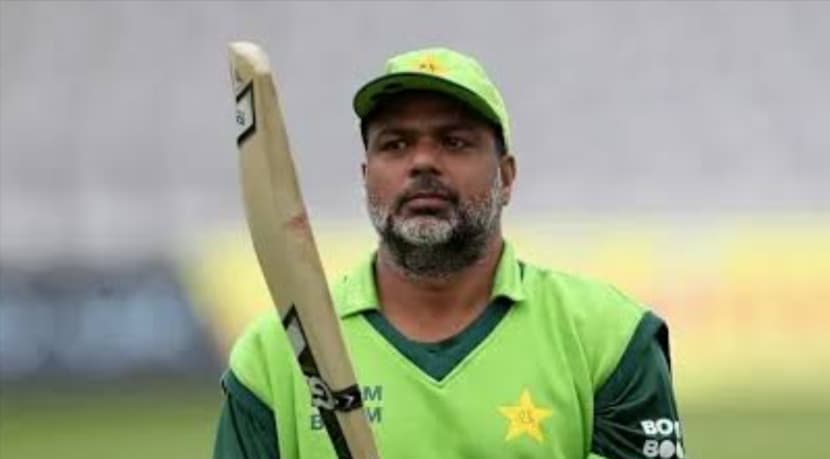
His strike rate of over 103 shows this wasn’t a slow, average-padding knock, it was genuinely quick scoring for the era.
5. Iftikhar Ahmed (Pakistan) — Average 89.50
Iftikhar’s number comes with the best strike rate on this entire list, 122.60, built during Pakistan’s 2023 campaign.
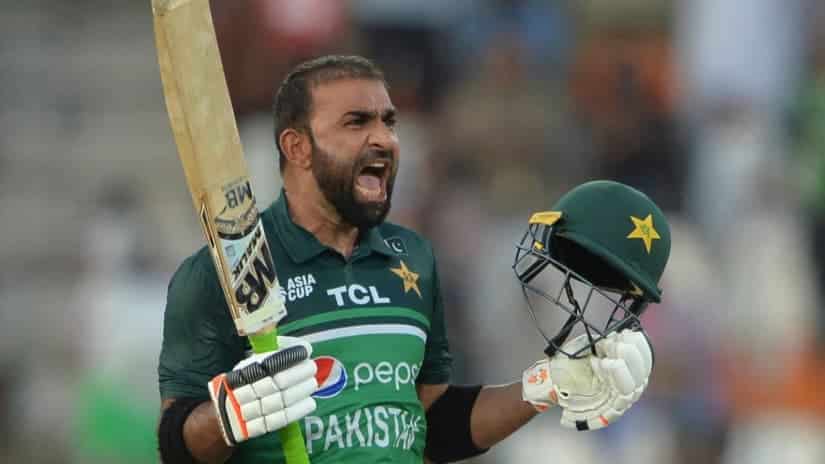
His unbeaten 109 is proof that a high average and genuine aggression aren’t mutually exclusive.
6. AD Mathews (Angelo Mathews) (Sri Lanka) — Average 82.75
Mathews is the only player on this list with real longevity behind his number, 11 matches across 8 years.
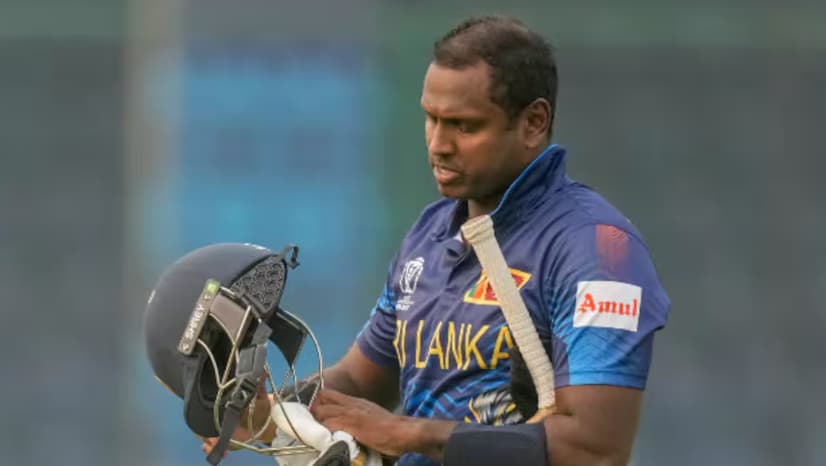
Known throughout his career as Sri Lanka’s finish-the-innings specialist, his six not-outs from 10 innings explain both his high average and his reputation as a reliable lower-middle-order anchor.
7. SV Manjrekar (Sanjay Manjrekar) (India) — Average 81.00
Manjrekar’s average comes from the early-1990s era of the tournament, across just four innings.
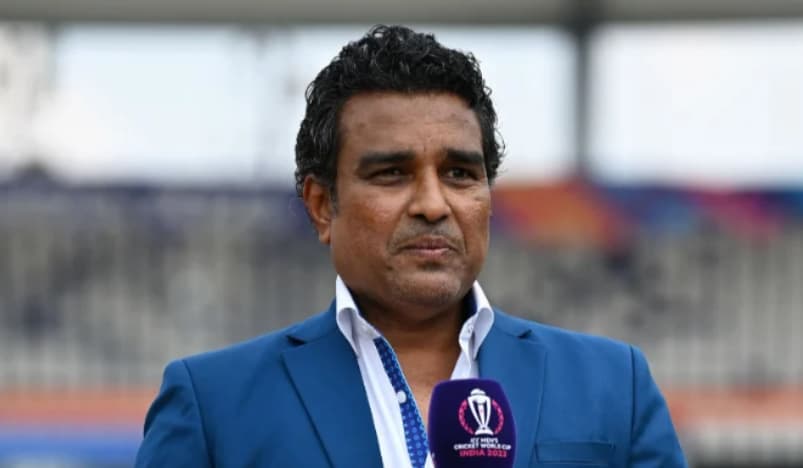
A technically correct top-order batter, his numbers reflect a short but efficient Asia Cup career rather than a long, proven track record.
8. KL Rahul (India) — Average 76.33
Rahul’s unbeaten 111 anchors a strong average built across five matches between 2018 and 2023.
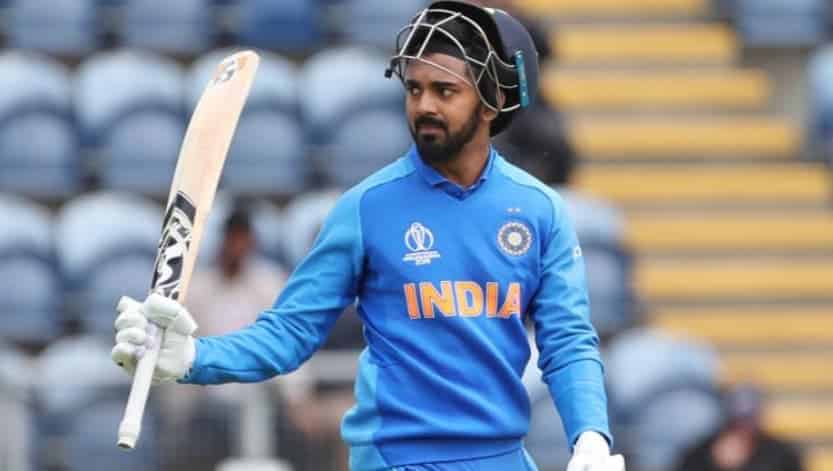
As a top-order batter and occasional wicketkeeper, his numbers reflect genuine consistency at the top of India’s order in recent editions.
9. Shubman Gill (India) — Average 75.50
Gill is the most prolific run-scorer on this entire list by total runs, 302, making his average arguably the most “earned” of anyone in the top 10.
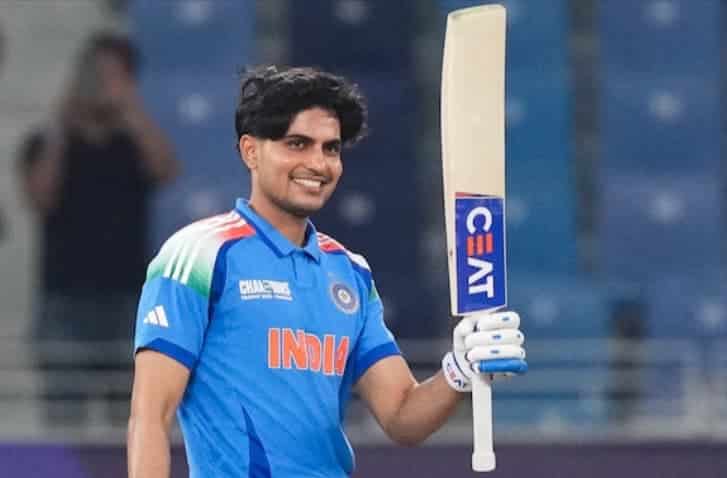
His 2023 campaign, including a century, came from six innings without the same reliance on multiple not-outs that inflate several names above him.
10. Nasir Jamshed (Pakistan) — Average 74.50
Jamshed’s 298 runs came during a productive Pakistan opening partnership era in 2008–2012.
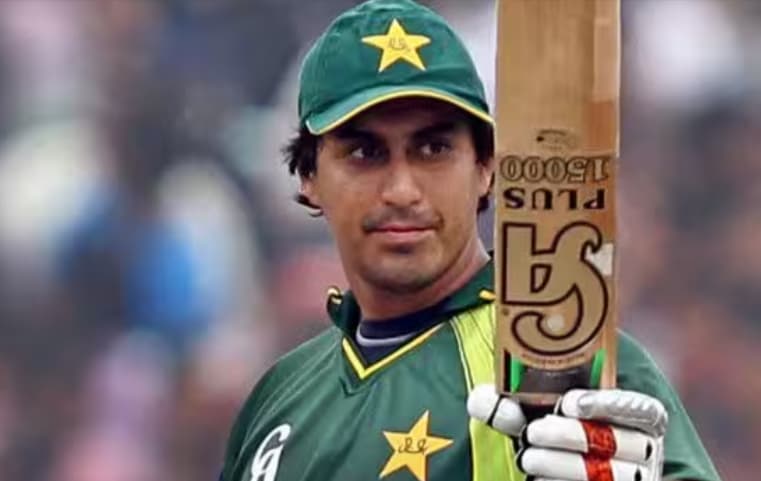
His numbers, spread across six full matches, represent one of the more complete bodies of work on this list.
The Problem With “Highest Average” As a Stat (And Why This List Needs Context)
This is the angle every other article on this keyword skips, average alone can be deeply misleading in a short tournament format like the Asia Cup, where most players feature in only a handful of innings.
- Not-outs inflate everything: Average is calculated as runs divided by number of dismissals, not innings played. A player with 2 not-outs in 3 innings only “counts” as being dismissed once, which is exactly how Fawad Alam’s 251.00 average was built.
- Small sample sizes distort rankings: Six of the ten names on this list played five matches or fewer. A single big, unbeaten knock can permanently anchor a career average at the top of this chart.
- Runs scored matters as much as the average itself: Comparing raw run totals tells a very different story — Shubman Gill (302 runs) and Angelo Mathews (331 runs) have contributed far more to their teams than names sitting above them on the average column alone.
- Strike rate adds essential context: Iftikhar Ahmed’s 122.60 strike rate alongside his high average shows genuine explosive form — a very different story from a top-order batter grinding out a not-out half-century.
Highest Average vs Most Runs: A Different Ranking Entirely
To show just how different these two lists look, here’s the same pool of players re-ordered by total runs scored instead of average:
| Rank (by runs) | Player | Runs | Average |
|---|---|---|---|
| 1 | AD Mathews | 331 | 82.75 |
| 2 | Shubman Gill | 302 | 75.50 |
| 3 | Nasir Jamshed | 298 | 74.50 |
| 4 | KL Rahul | 229 | 76.33 |
| 5 | Fawad Alam | 251 | 251.00 |
Angelo Mathews and Shubman Gill jump straight to the top once the metric shifts from average to raw output, a clear sign that “highest average” and “most valuable batter” aren’t always the same thing.
Also Read:
- Best Bowling Figures in Asia Cup ODI (2026 Updated)
- Players with Most Catches in Asia Cup ODI (2026 Updated)
Conclusion
Fawad Alam’s 251.00 average technically tops the chart, but as this list shows, average alone rarely tells the full story in a tournament as short as the Asia Cup.
Names like Angelo Mathews, Shubman Gill, and Nasir Jamshed represent far more genuine, repeatable performances once run tallies and strike rates are factored in.
The real lesson here: read averages carefully, and always check the sample size behind the number.
FAQs
Fawad Alam, with an average of 251.00 across three innings.
Statistically yes, but it’s built on a very small sample of three innings, most analysts view it as an outlier rather than a true reflection of sustained dominance.
Angelo Mathews, with 331 runs across 10 innings, despite ranking sixth by average.
Because average is a ratio of runs to dismissals, a short career with a couple of unbeaten scores can produce a very high number without a large body of work behind it.